CHAPTER 1
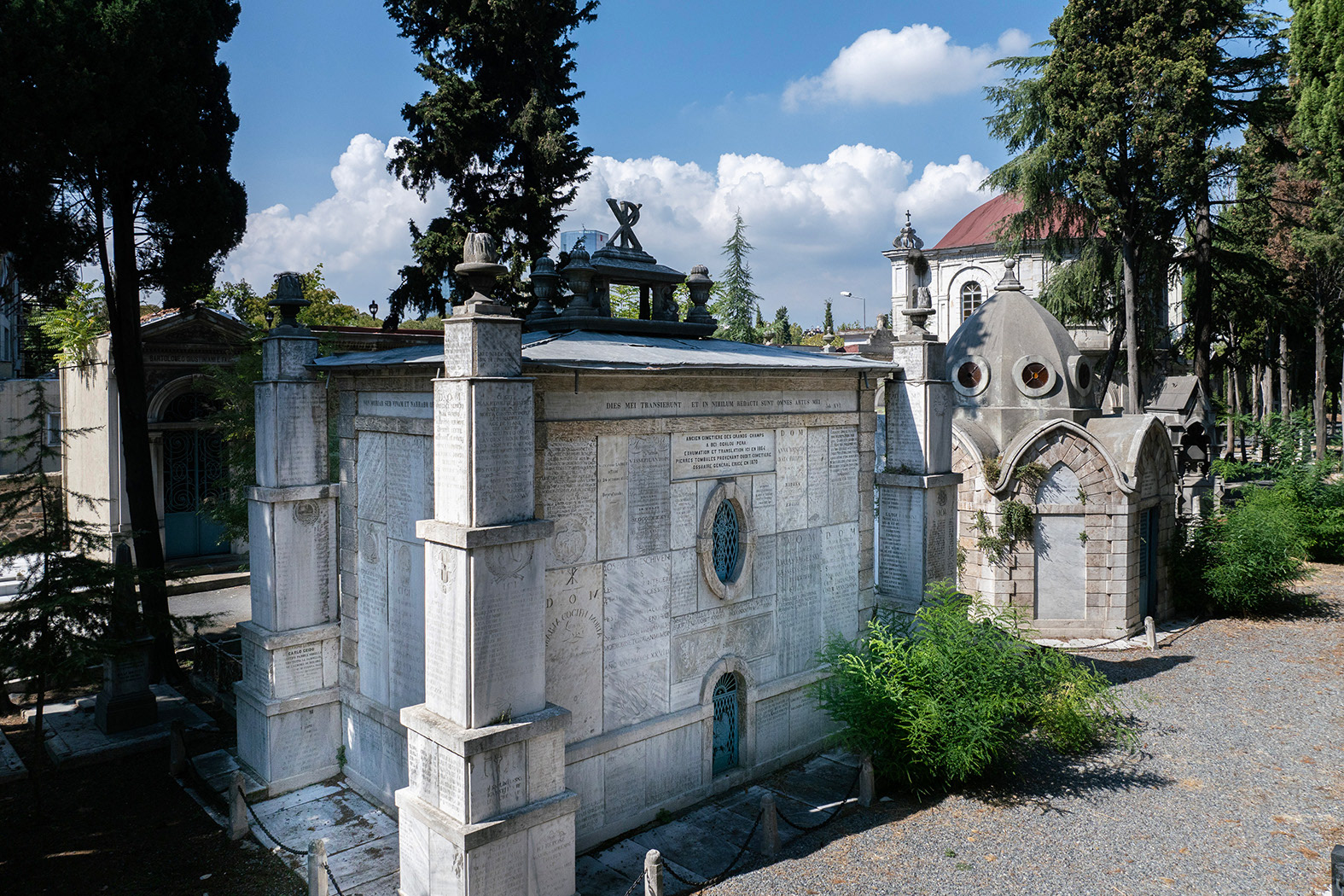
DIES MEI TRANSIERUNT, ET IN NIHILUM REDACTI SUNT OMNES ARTUS MEI.
“My days have passed; all my limbs have been reduced to nothingness.”
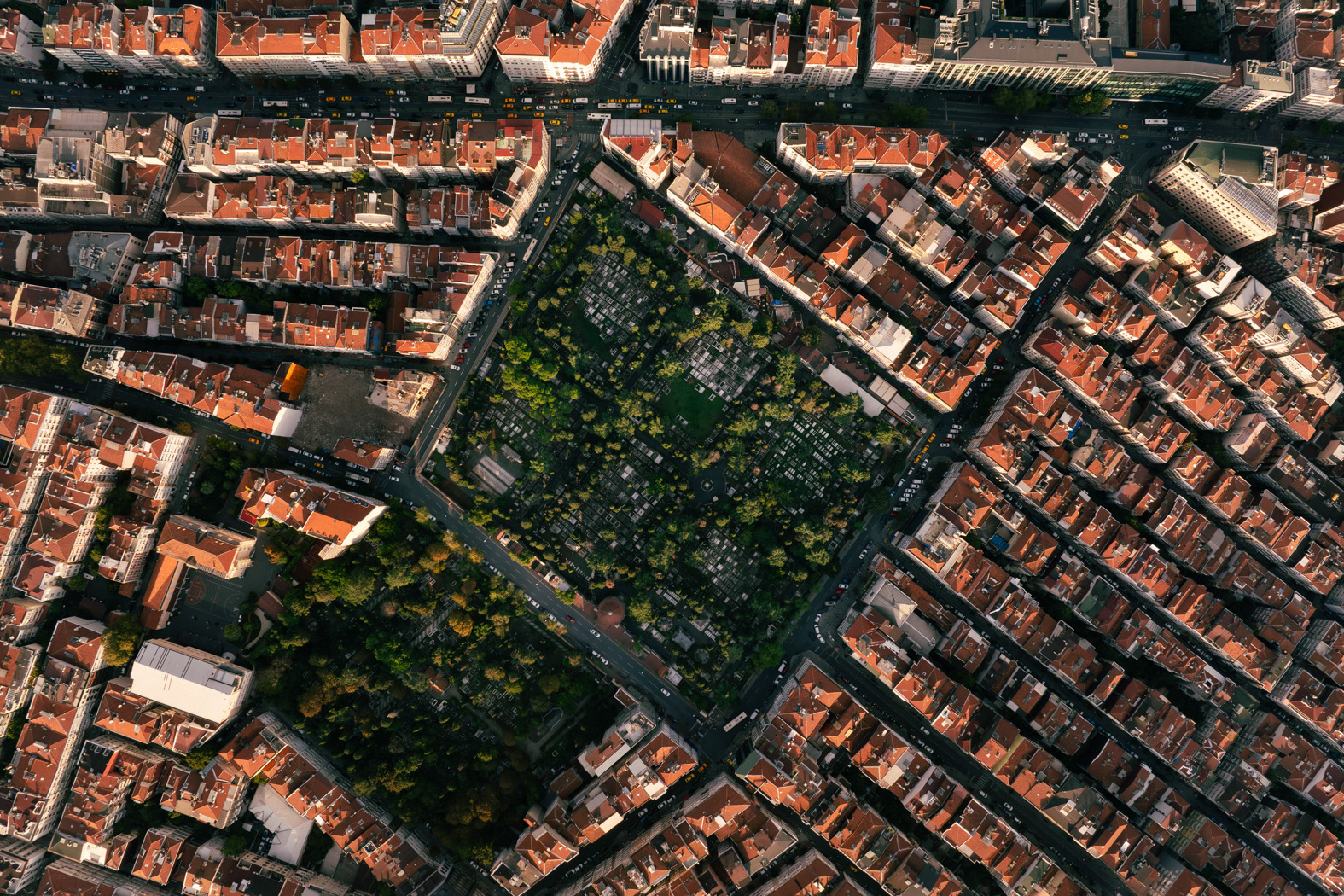
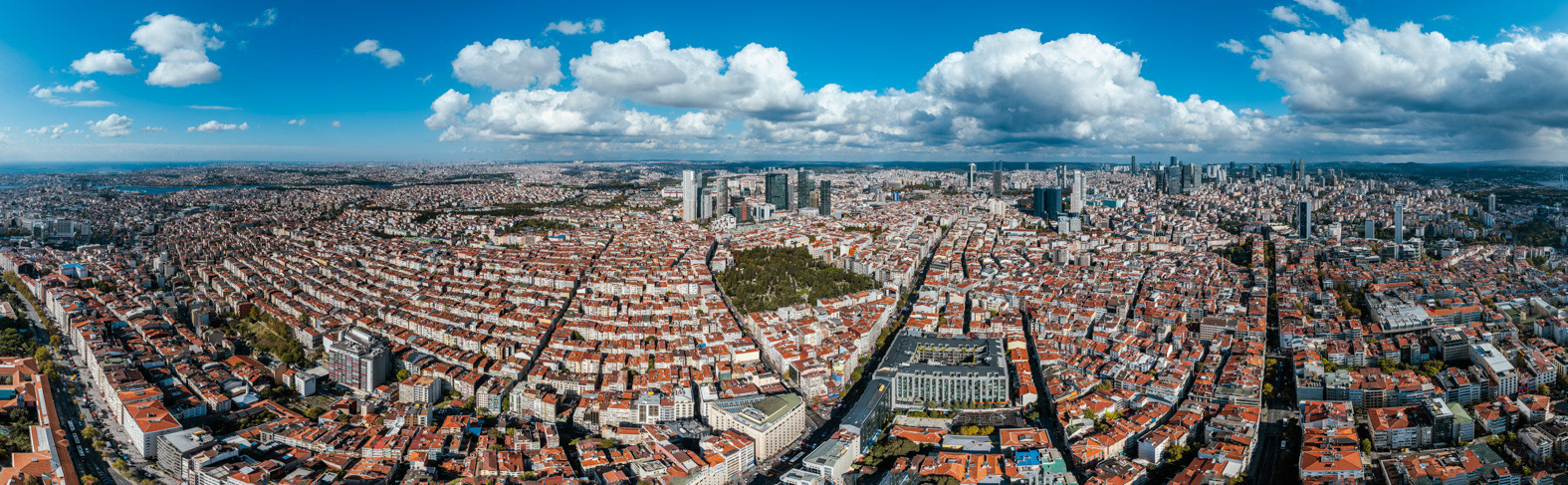
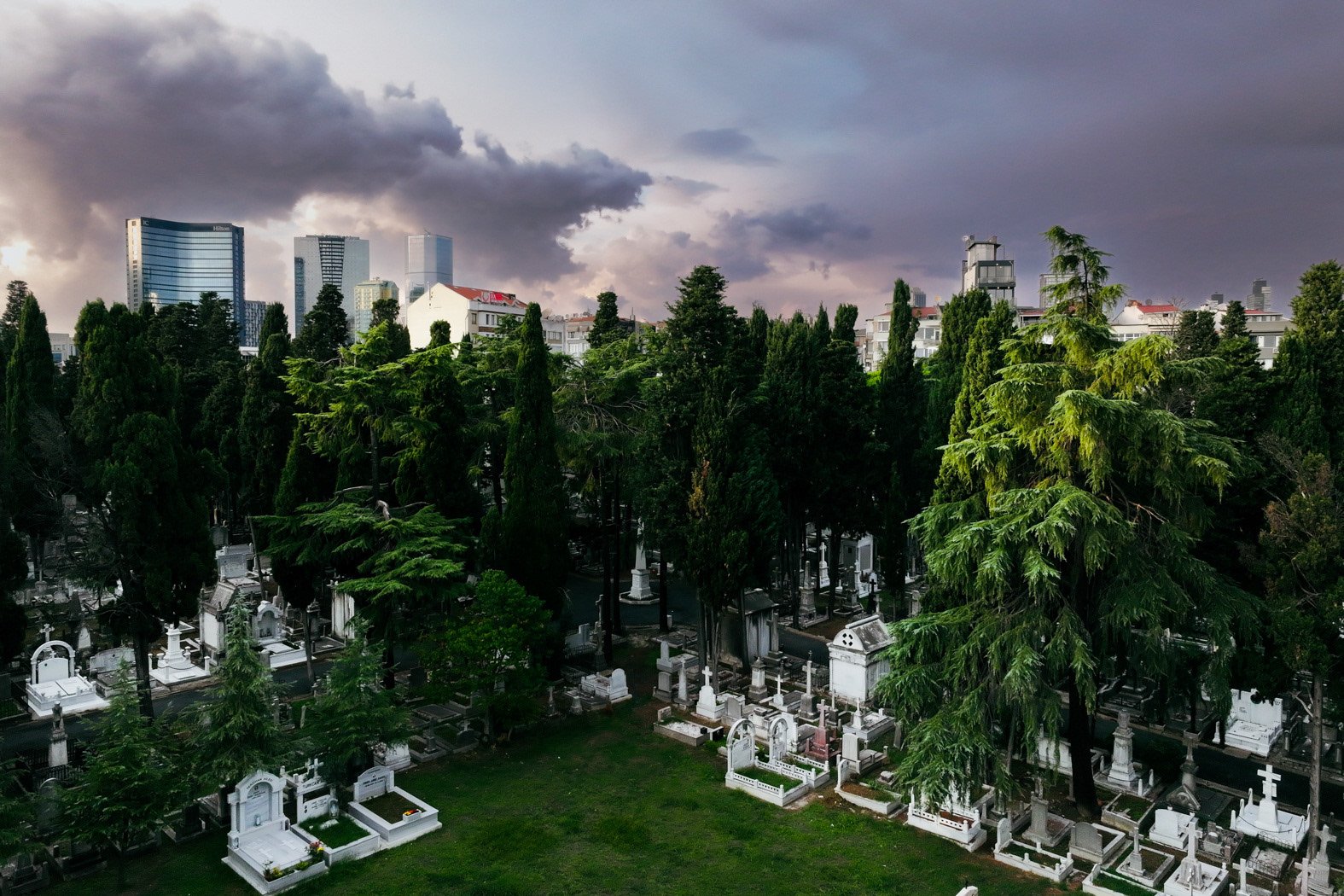
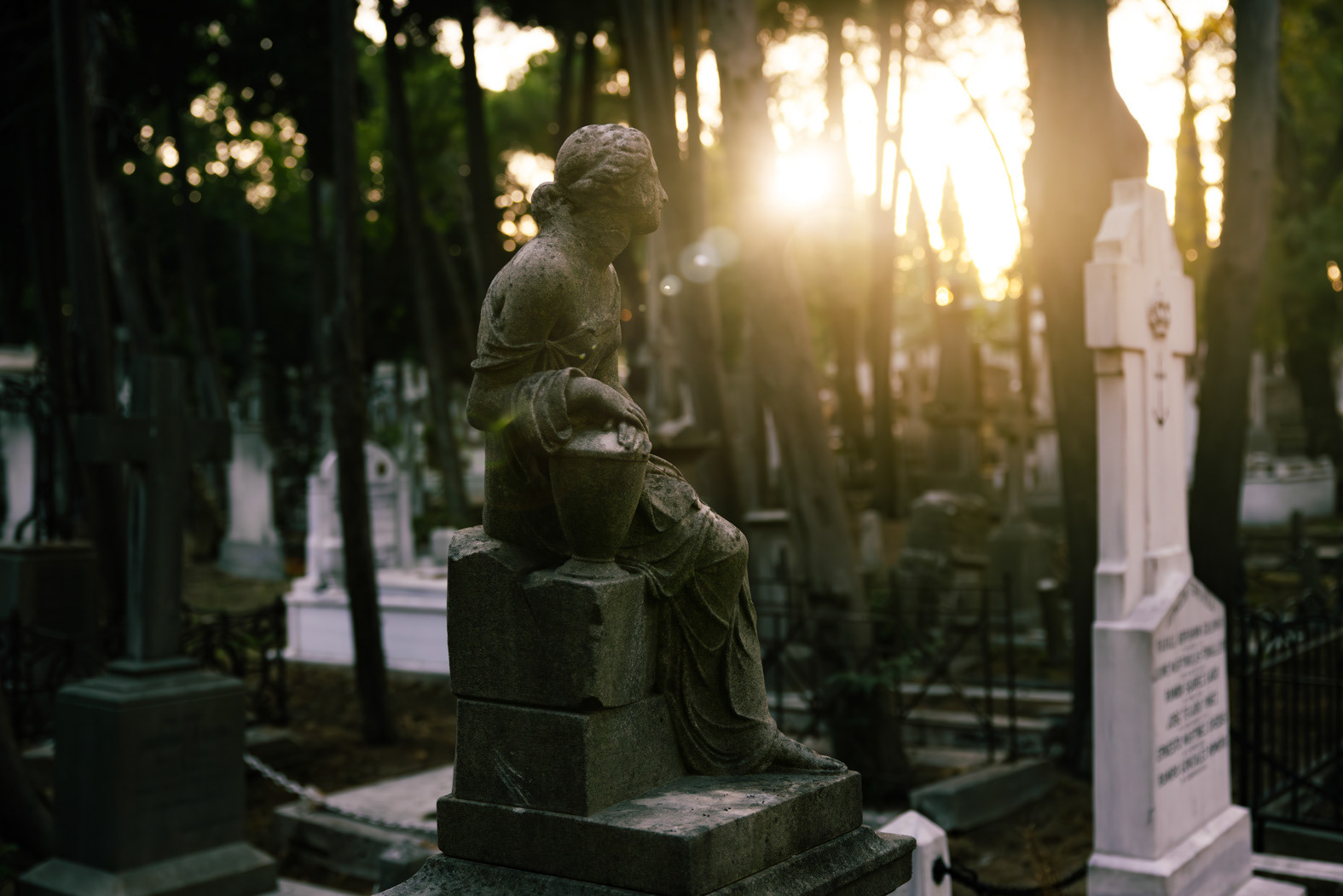
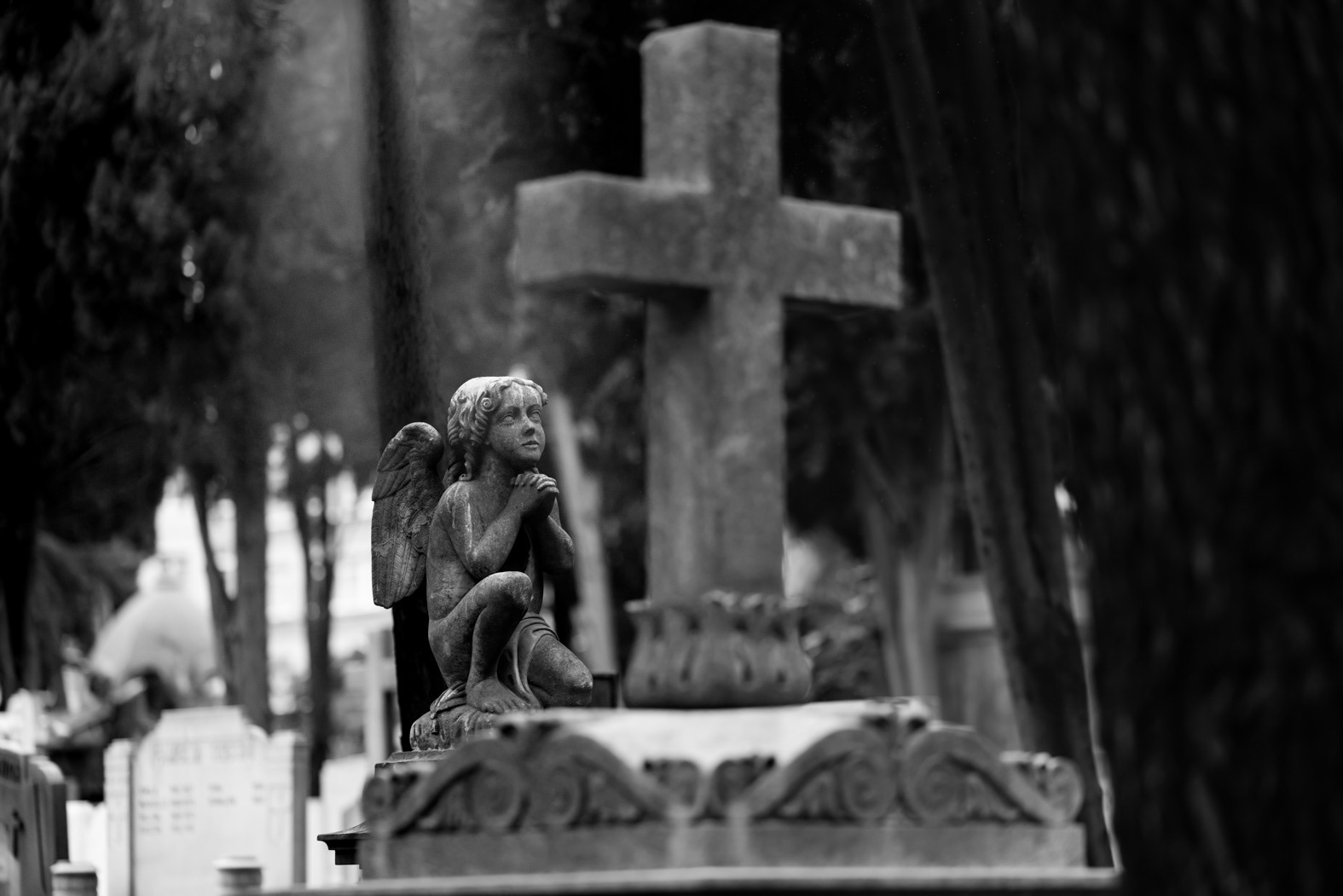
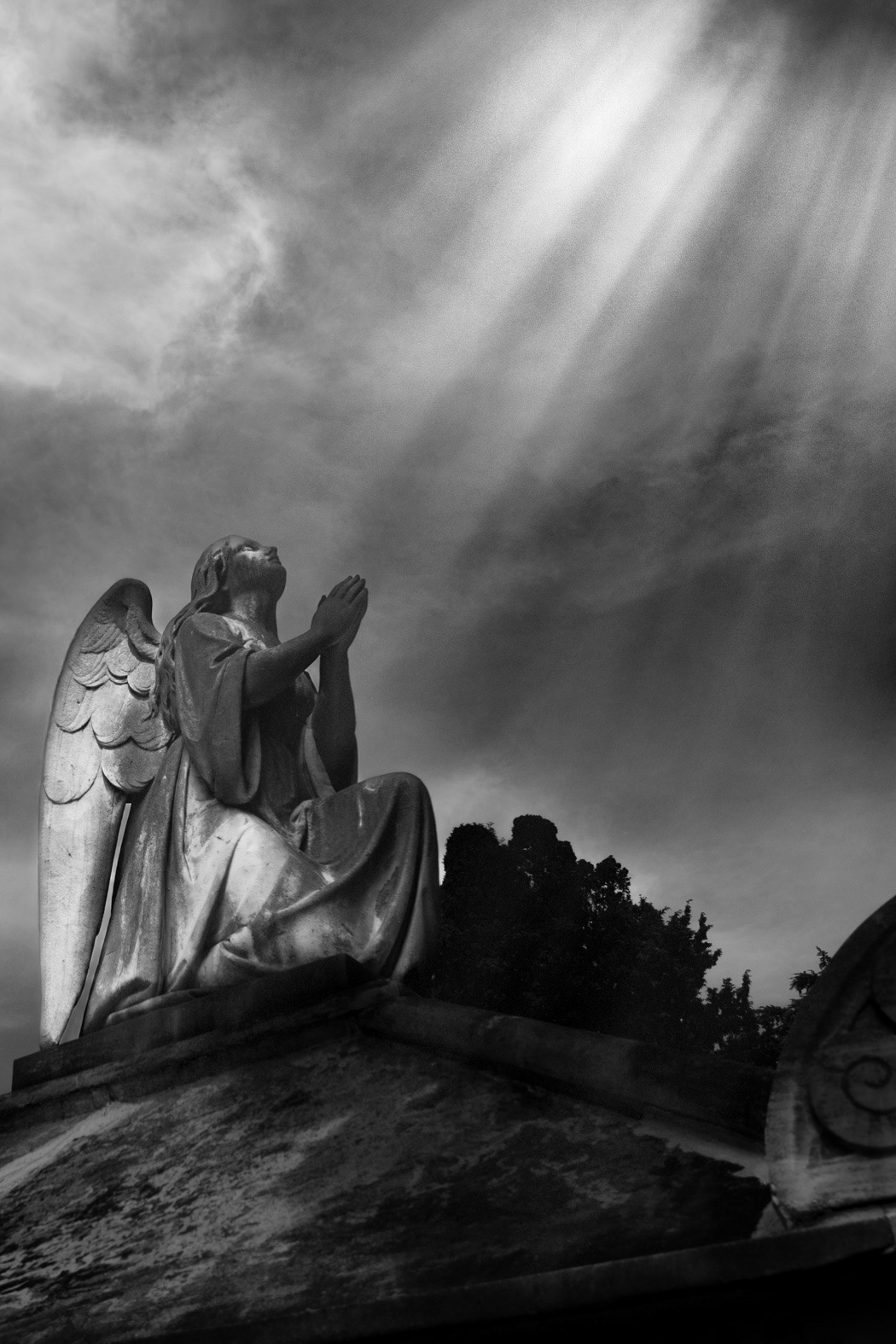
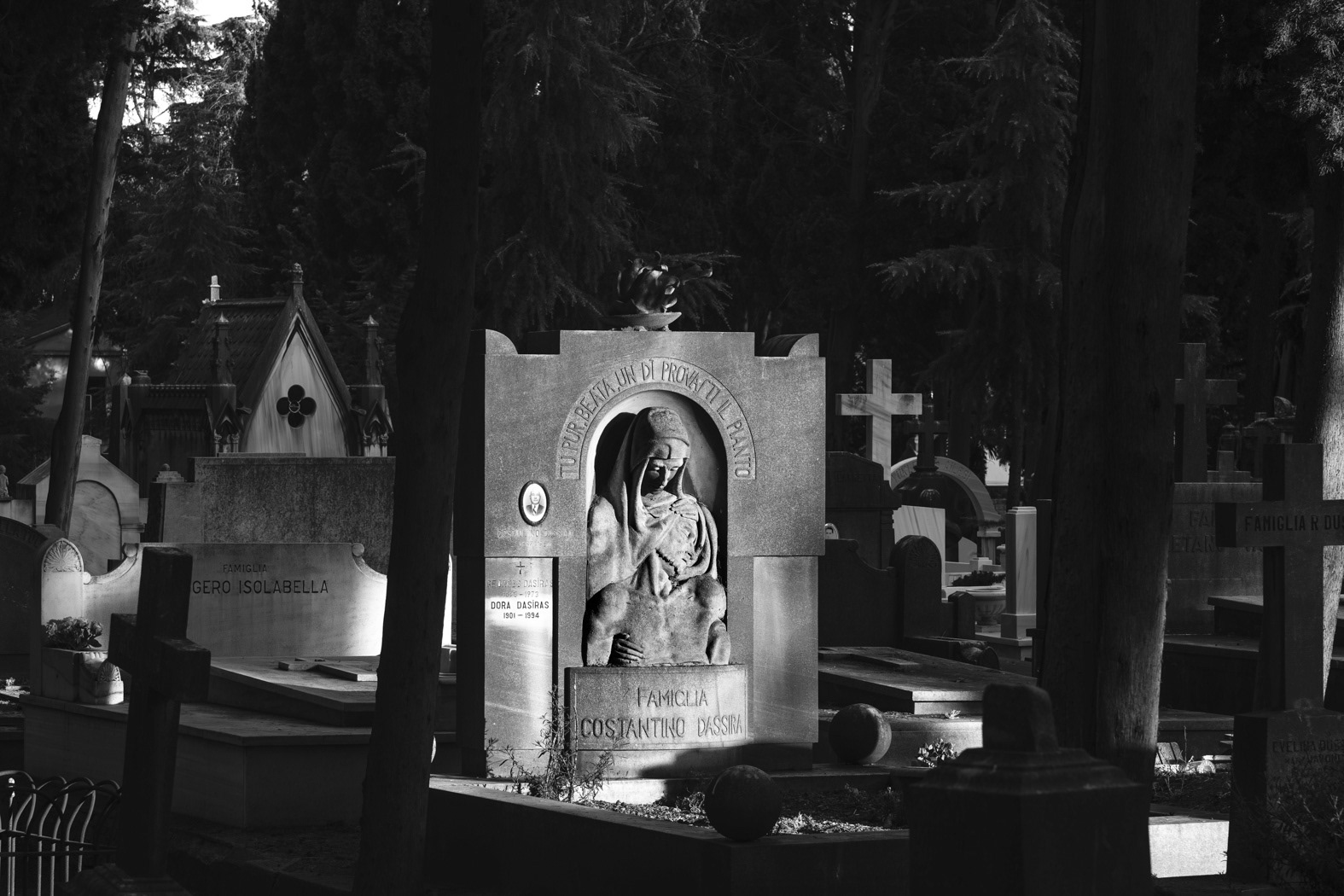
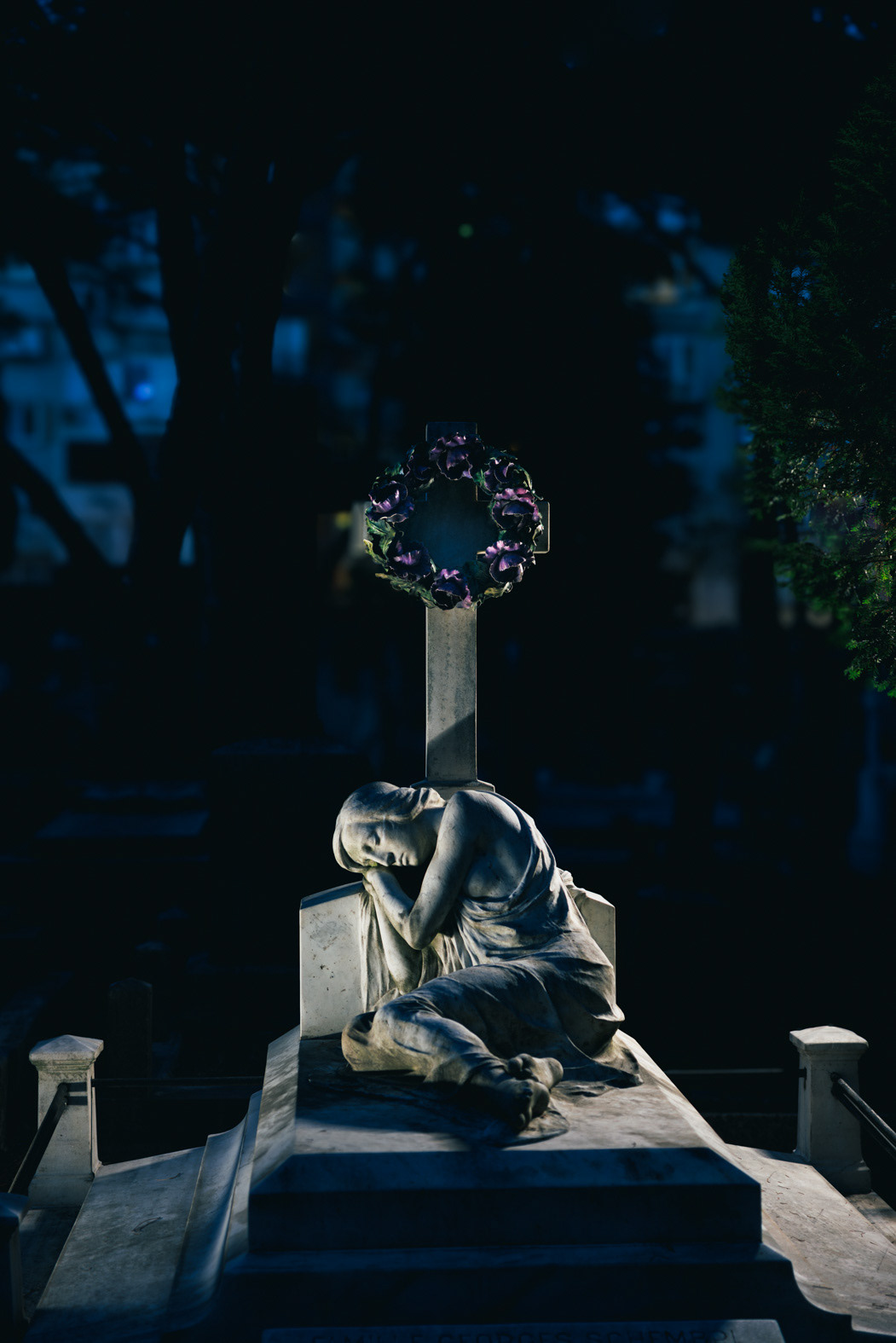
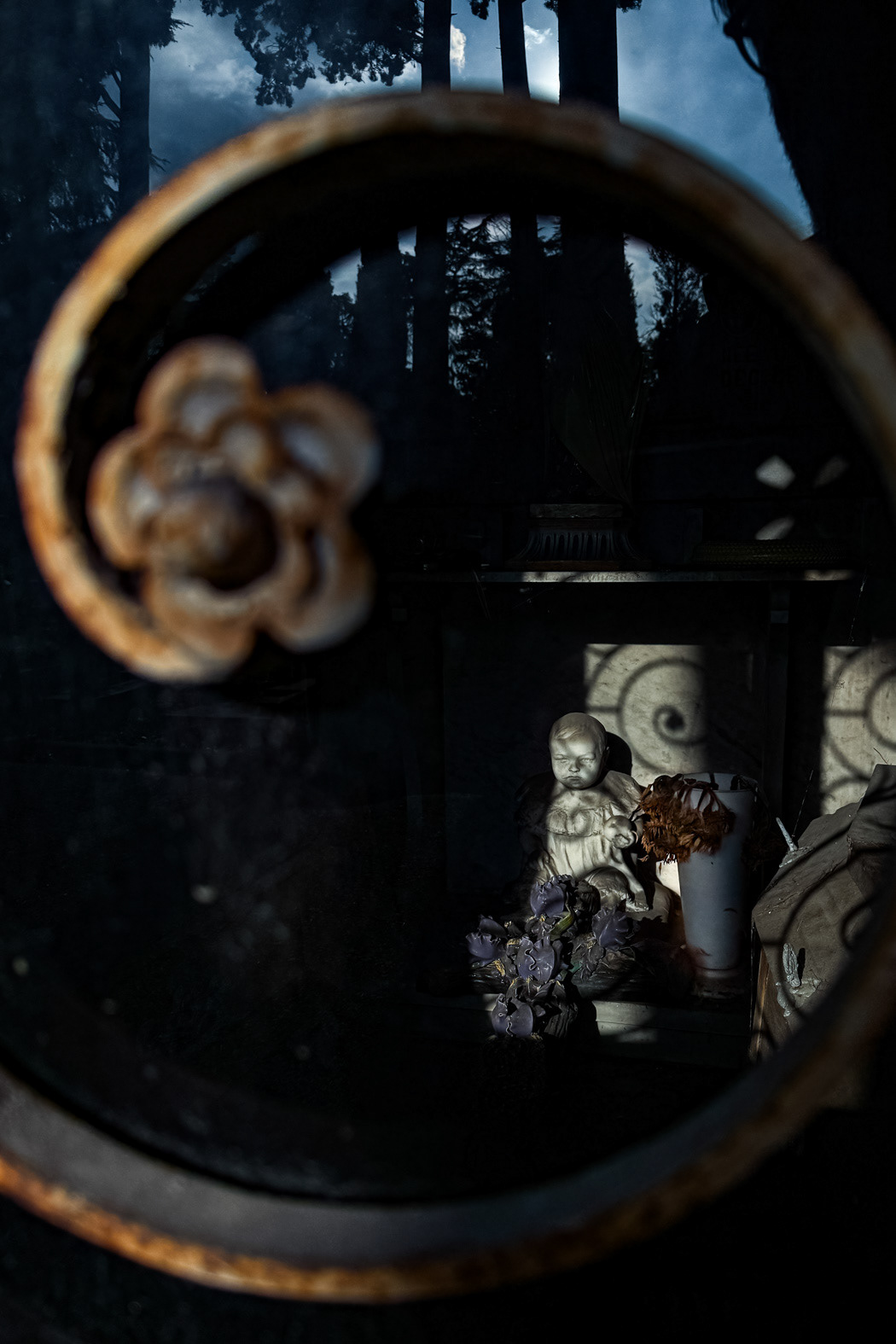
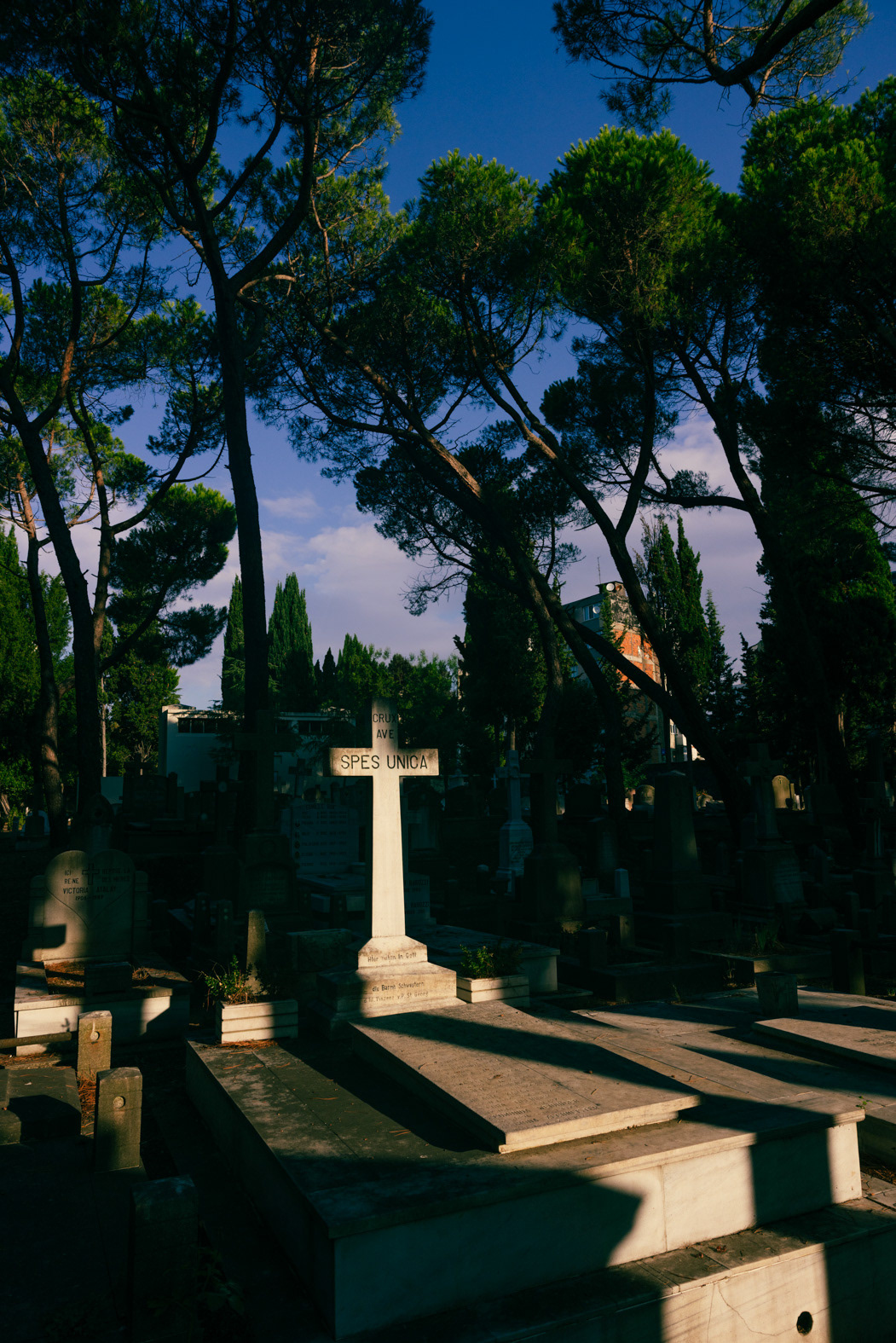
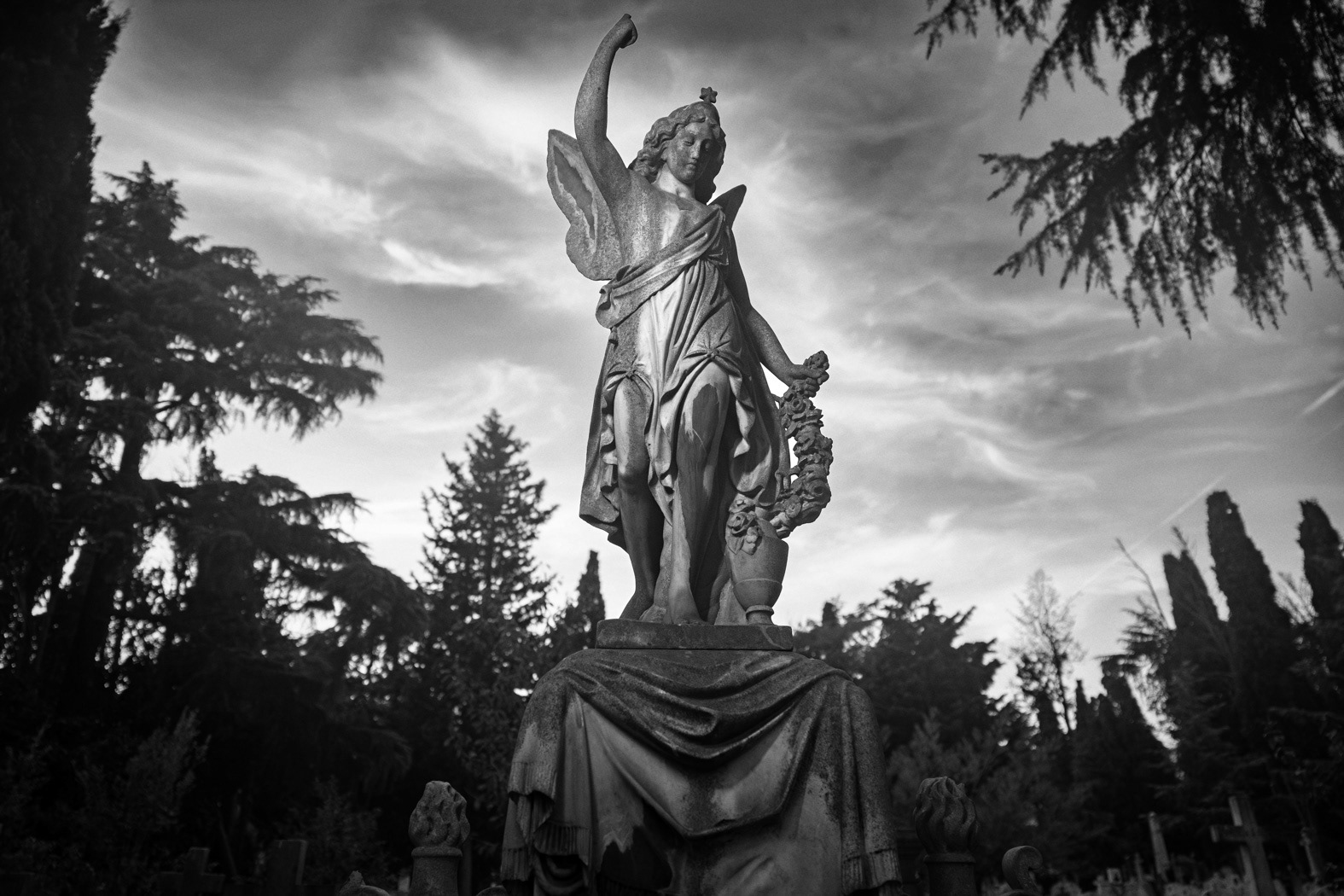
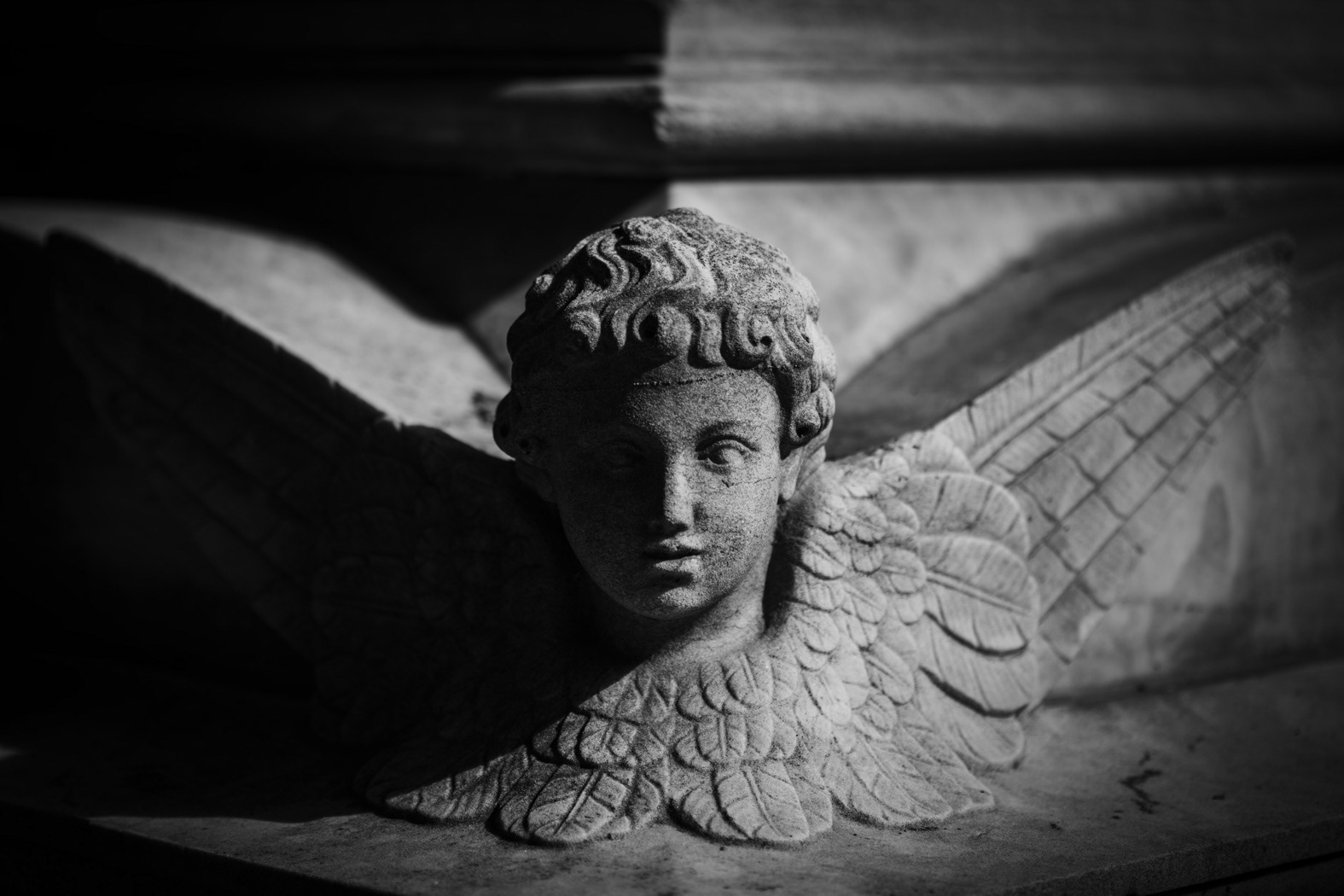
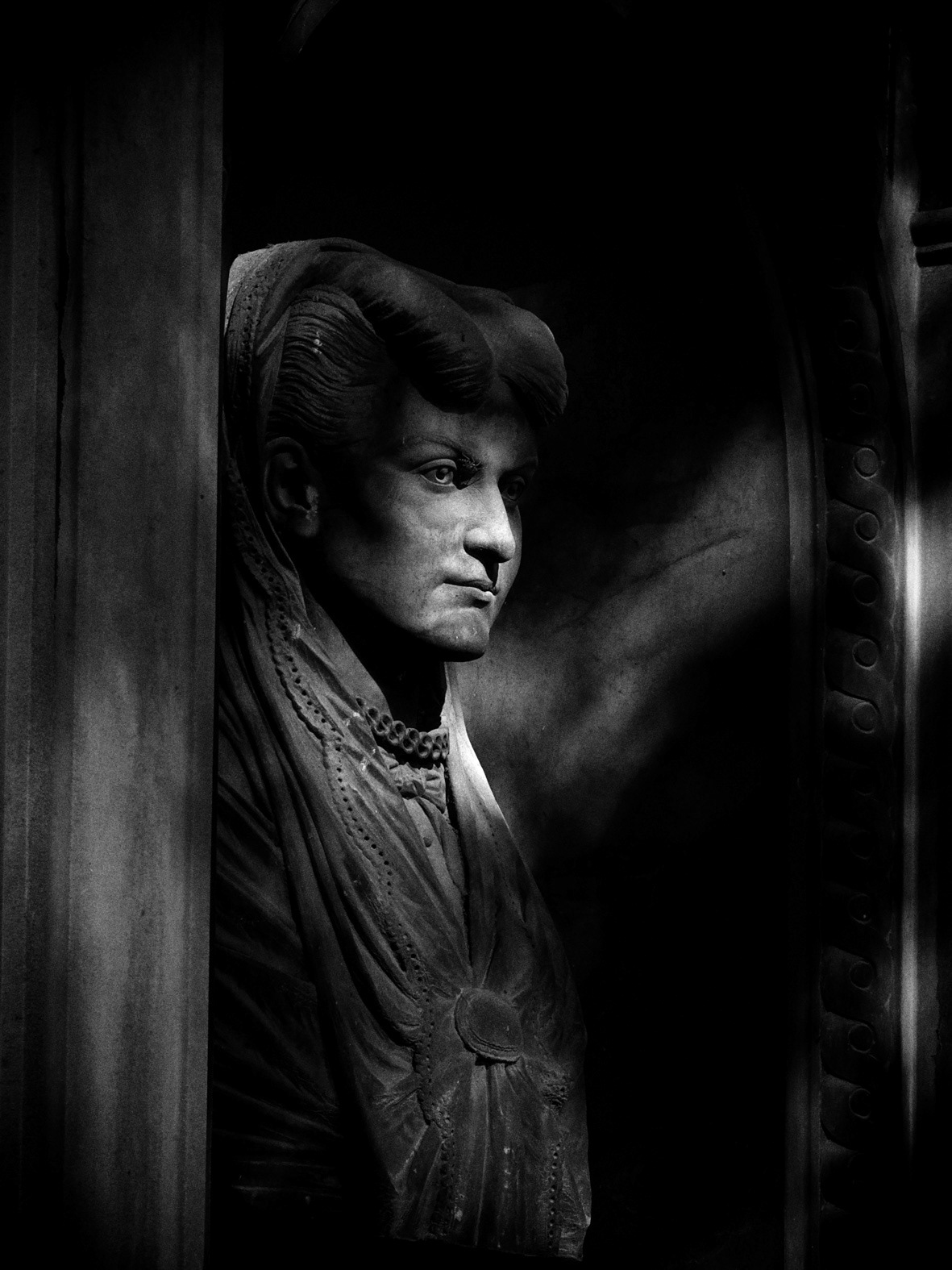
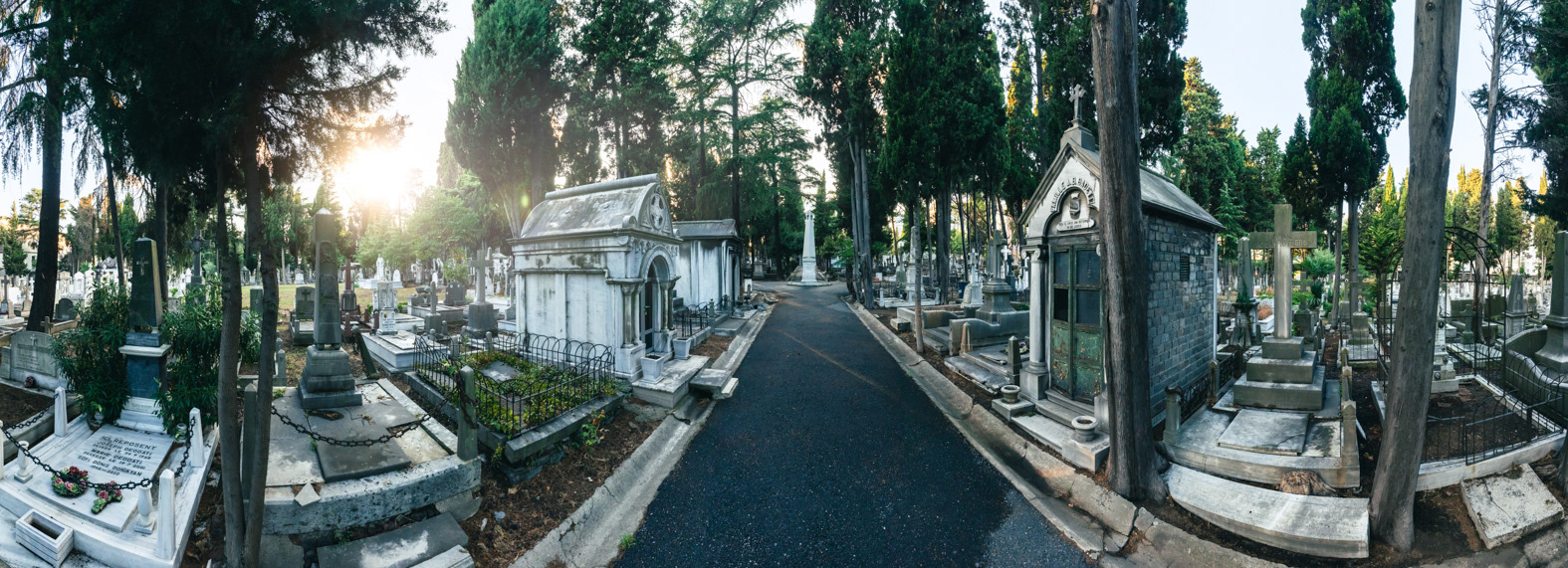
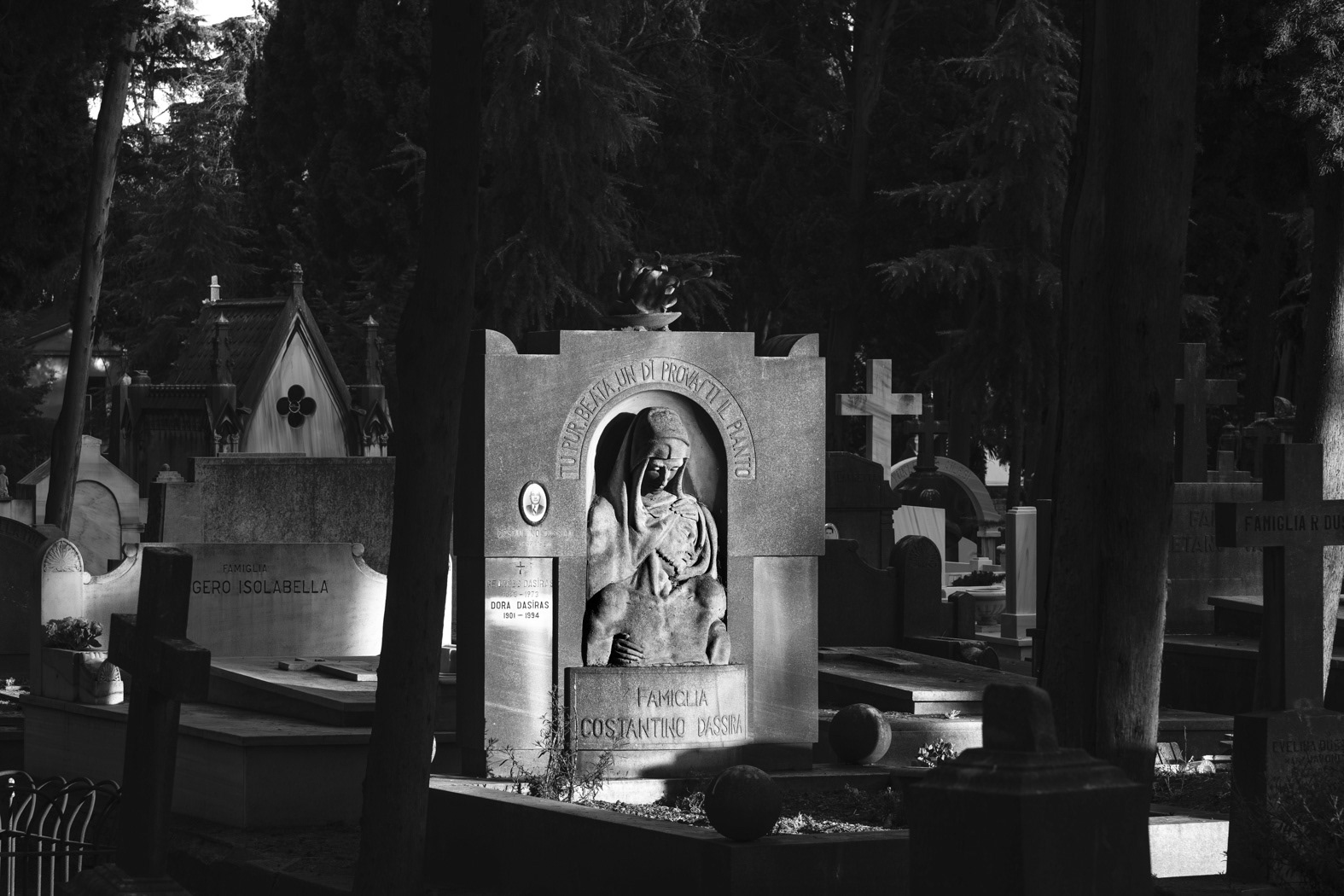
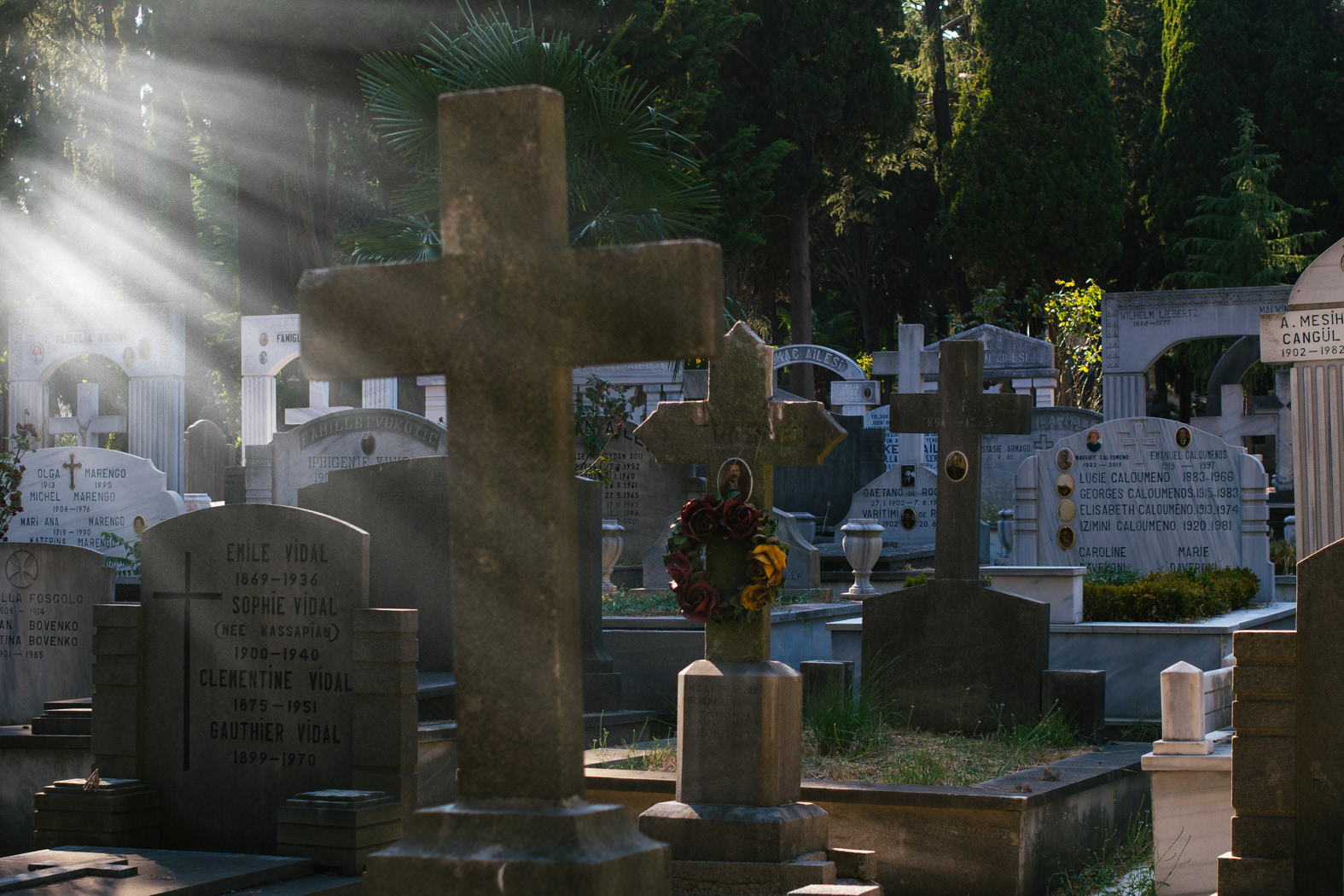
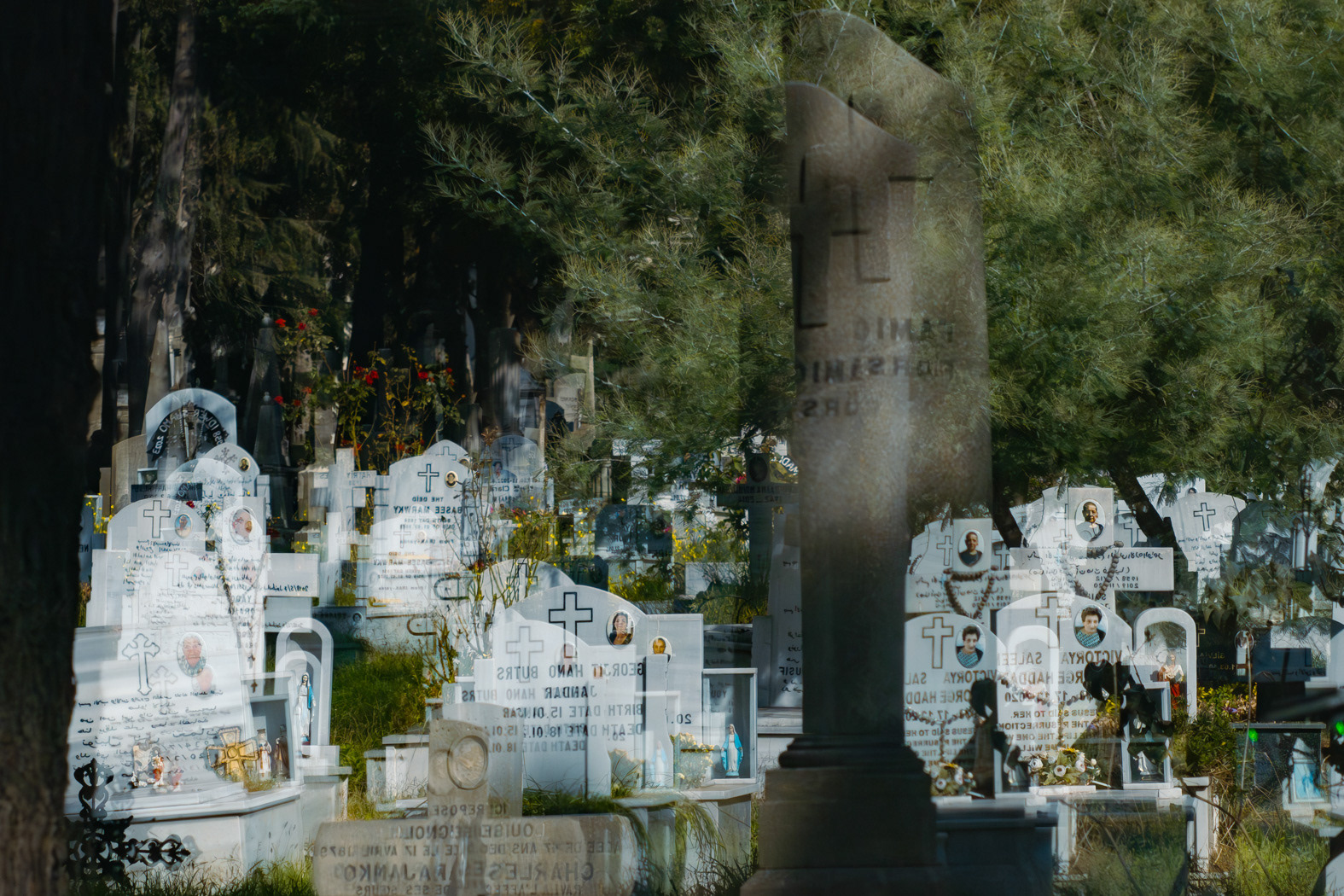
Feriköy Latin Catholic Cemetery is a silent island hidden in the heart of Istanbul, behind high walls and amid the city’s crowds. Its deep-rooted history, reaching back to 1853, reveals this place not merely as a burial ground, but as a topography of memory—bearing witness to this wise city’s layered, multicultural past from the Ottoman era to the Republic.
CHAPTER 2
NON PERDITA, SED ABSCONDITA.
“Not lost, but hidden.”
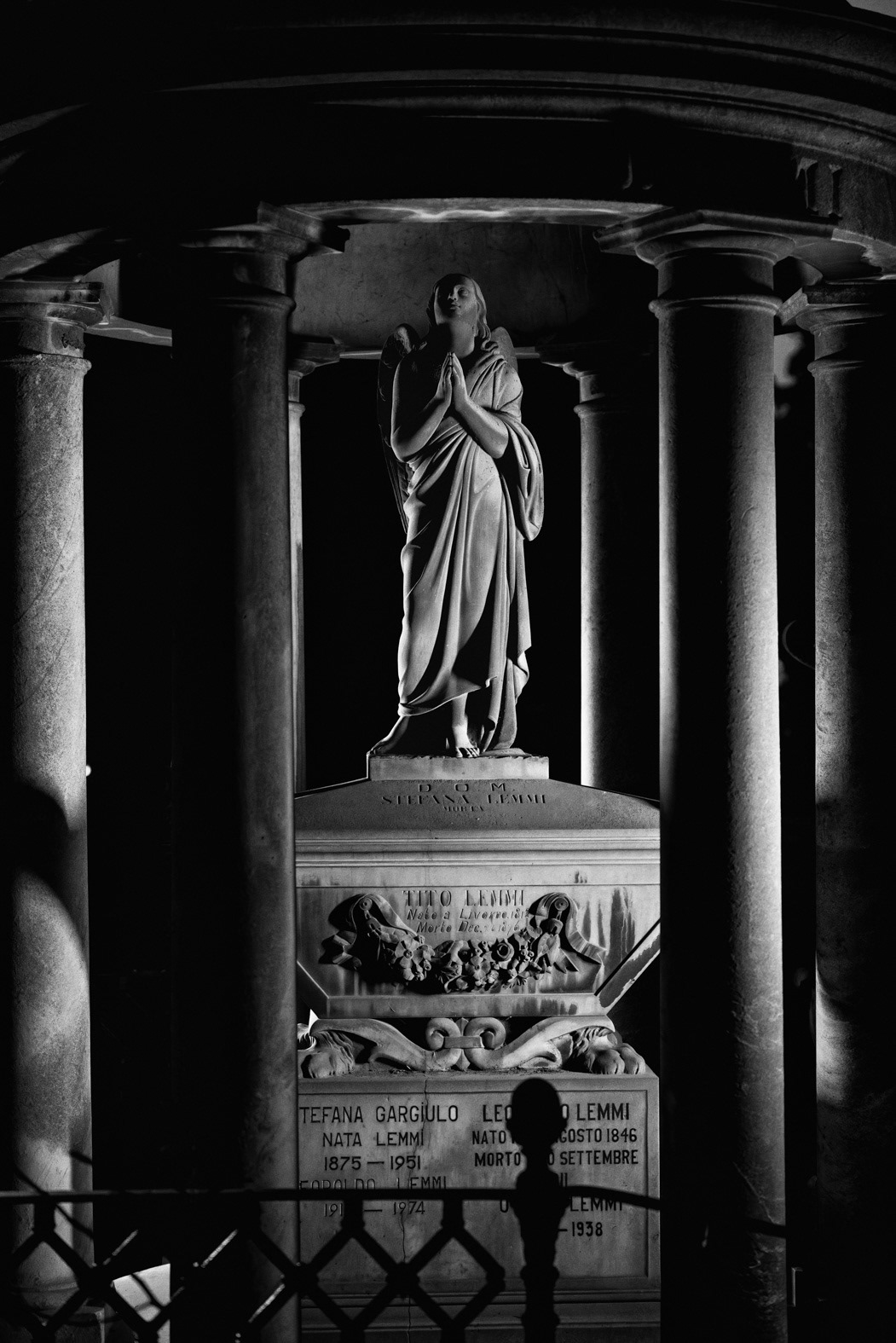
CHAPTER 3
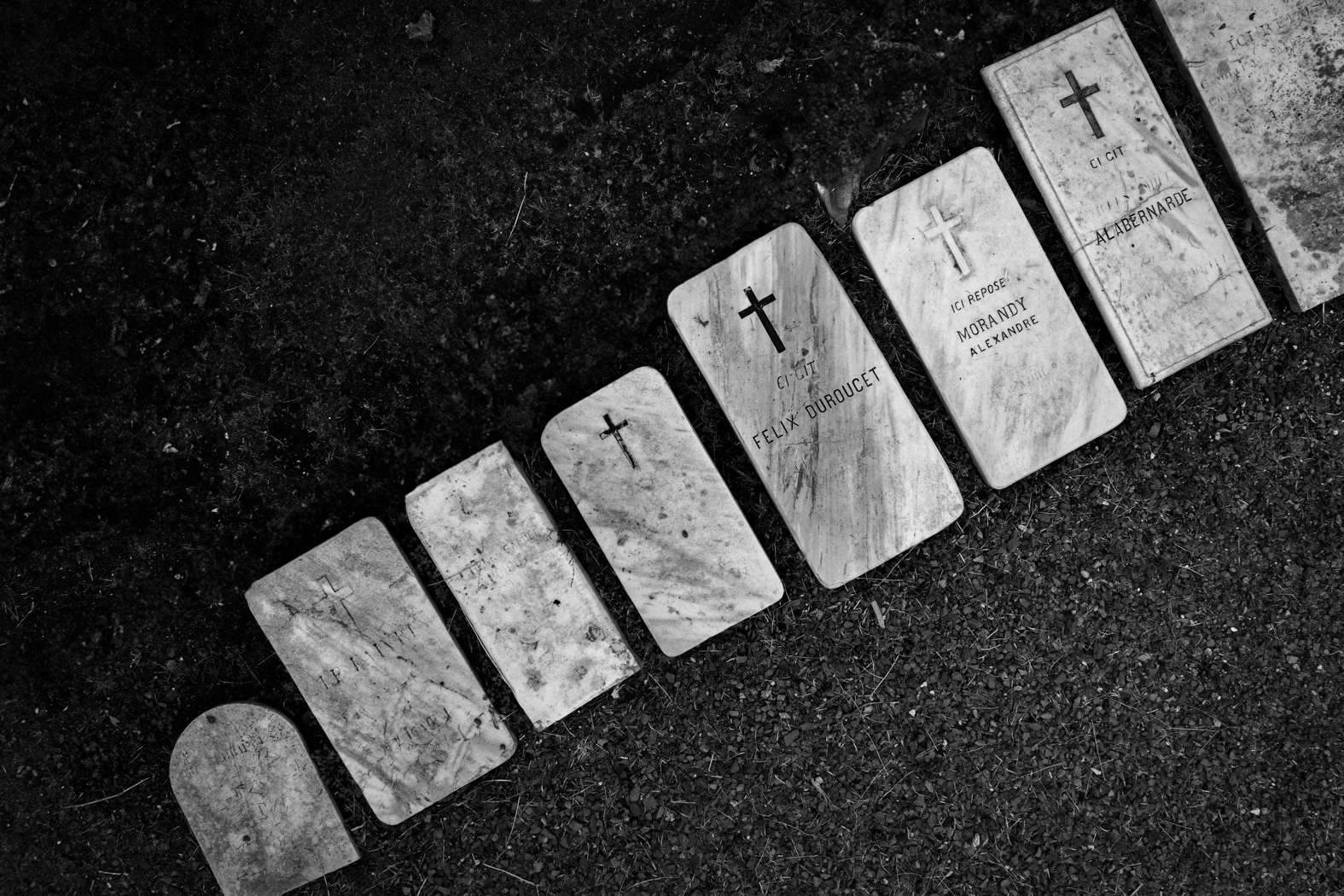
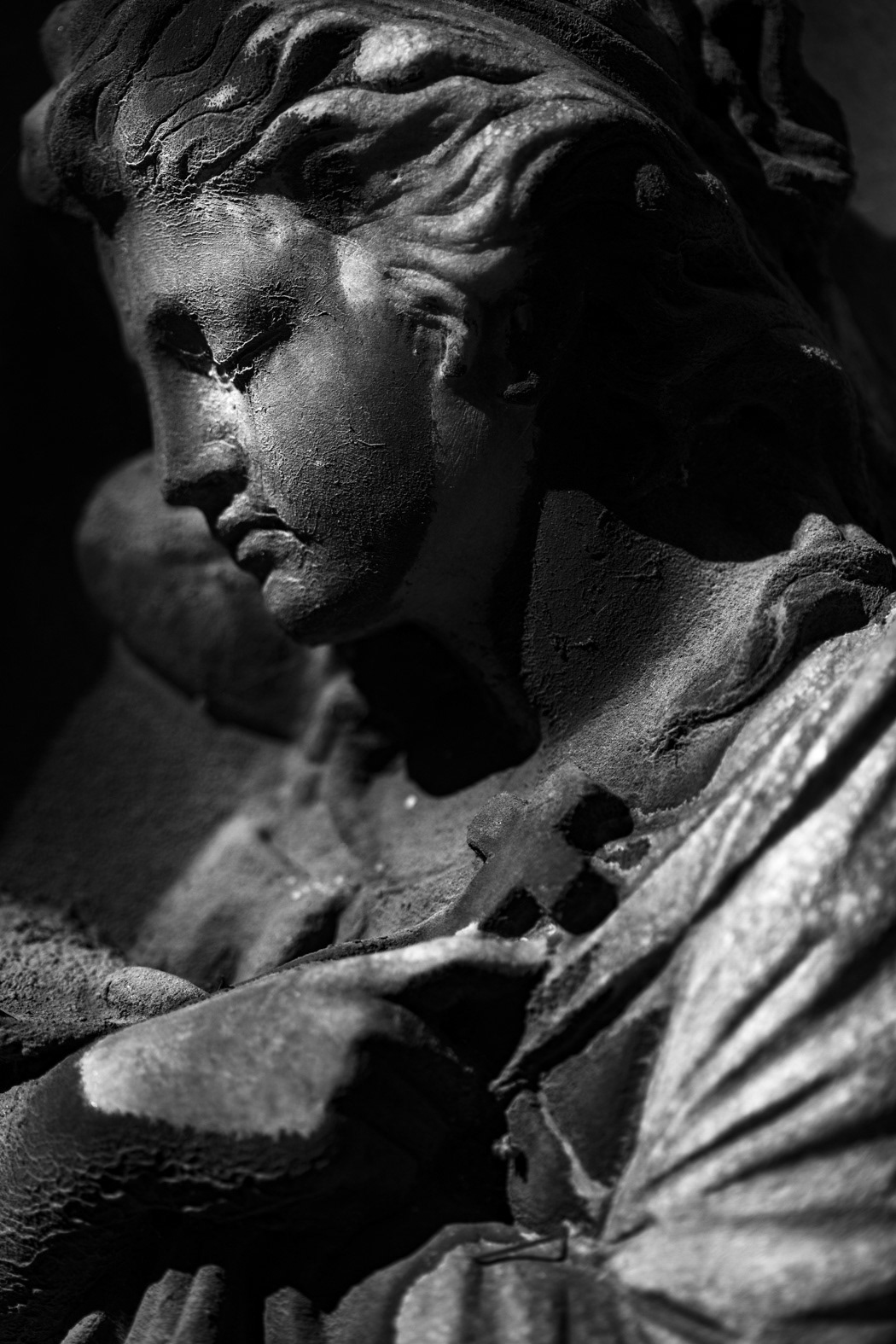
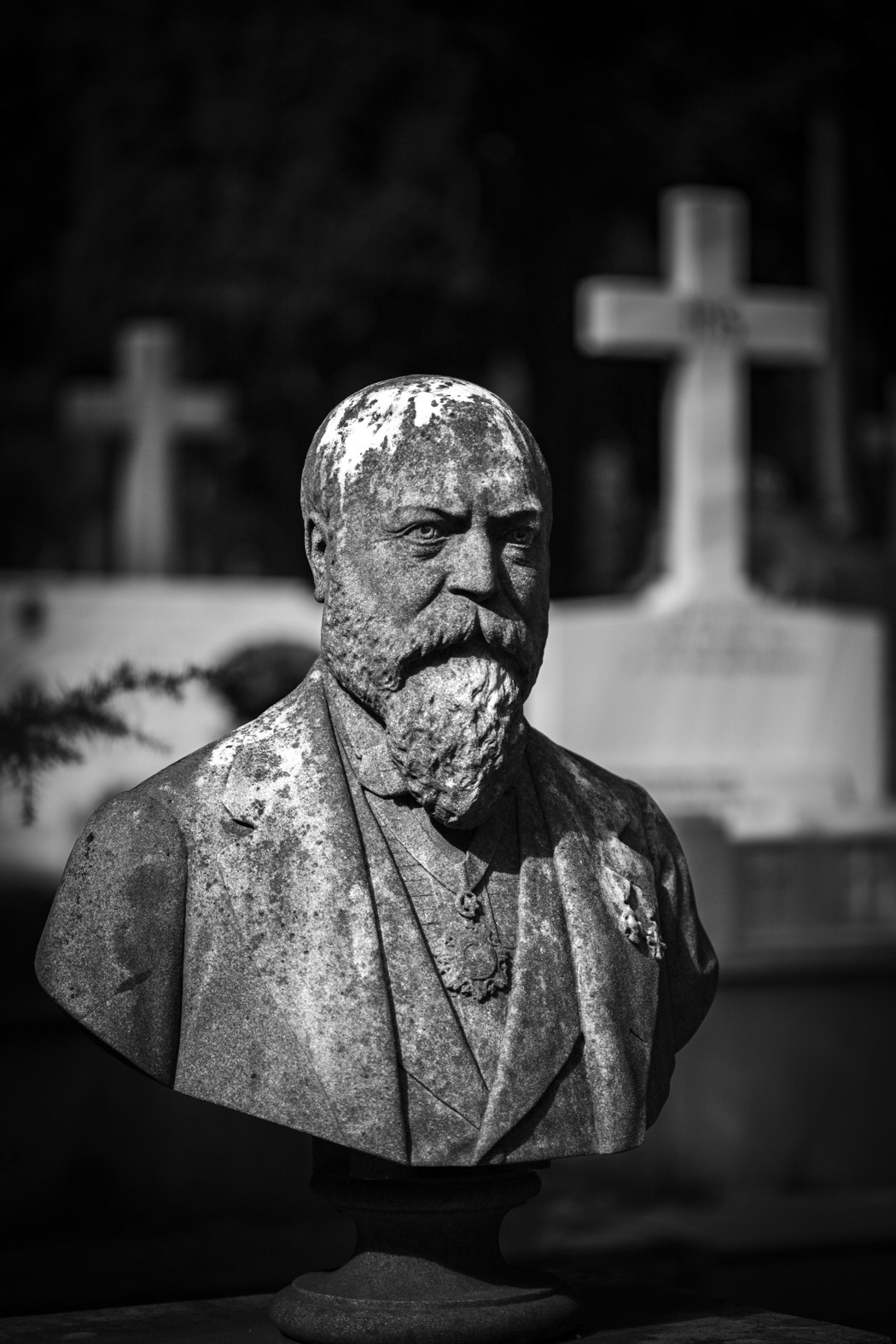
RELIQUIAE HOMINEM NARRANT.
“Remains speak of the human.”

CHAPTER 4
QUOD PERDIDIMUS, MEMINISSE COGIMUR.
“We are compelled to remember what we have lost.”
In general, minorities—and in particular Latin Catholics—were, for centuries, one of the essential pillars of these lands and of Istanbul’s multicultural fabric. They made profound contributions to the city’s identity in every sphere. The traces they left in commerce, art, architecture, and social life enriched Istanbul’s collective memory.
Yet for political, religious, and social reasons, they were torn away from these lands and forced to leave. This departure was not limited to people alone; it meant the loss of a way of life, a culture, a shared memory, and the will to live together.
They were our neighbors, our colleagues, our friends.
And today, it is not difficult to see what has filled that void, how a rich shared culture has been reshaped, and what the consequences have been.
CHAPTER 5
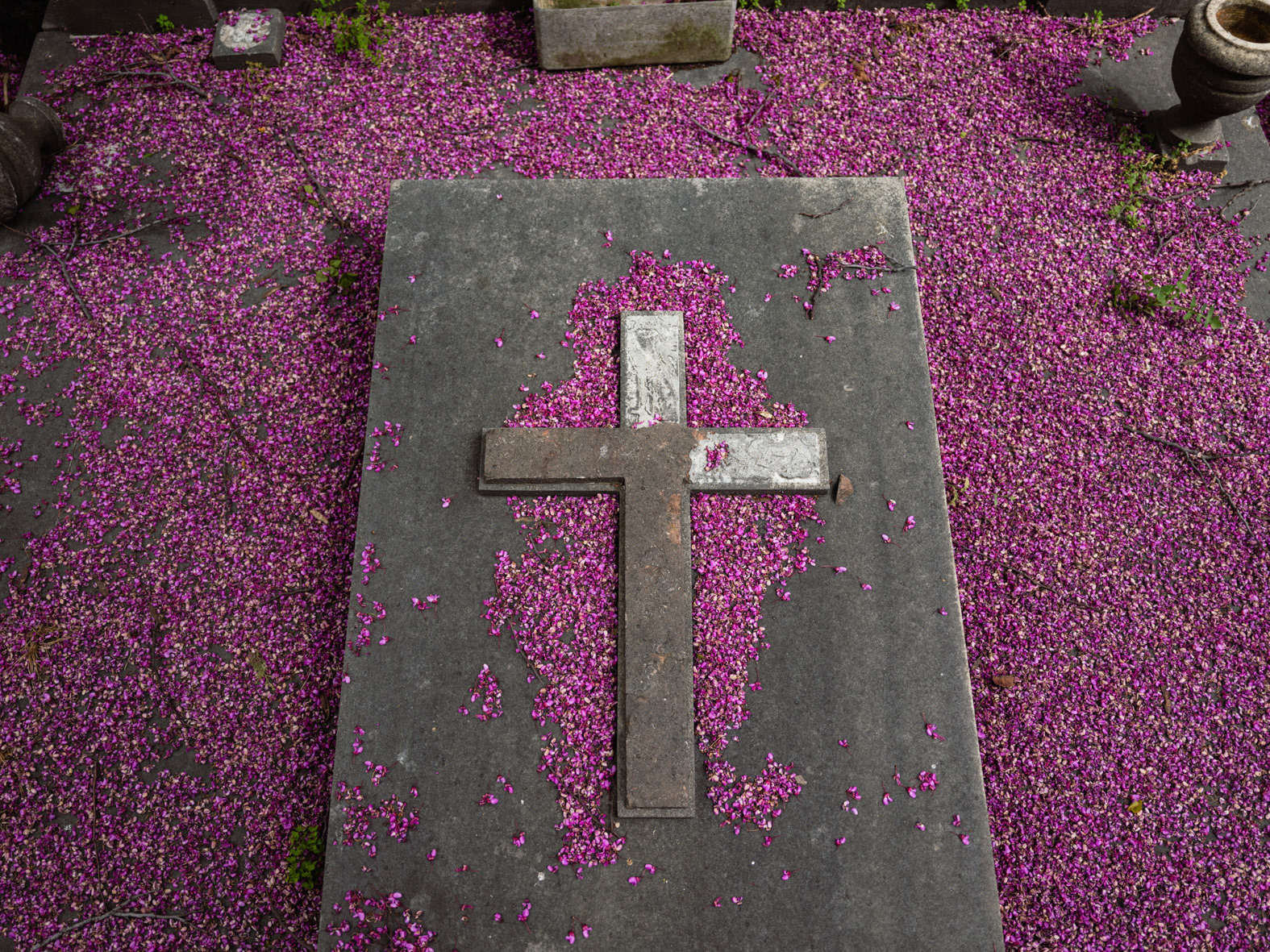
TEMPUS TERIT, MEMORIA SERVAT.
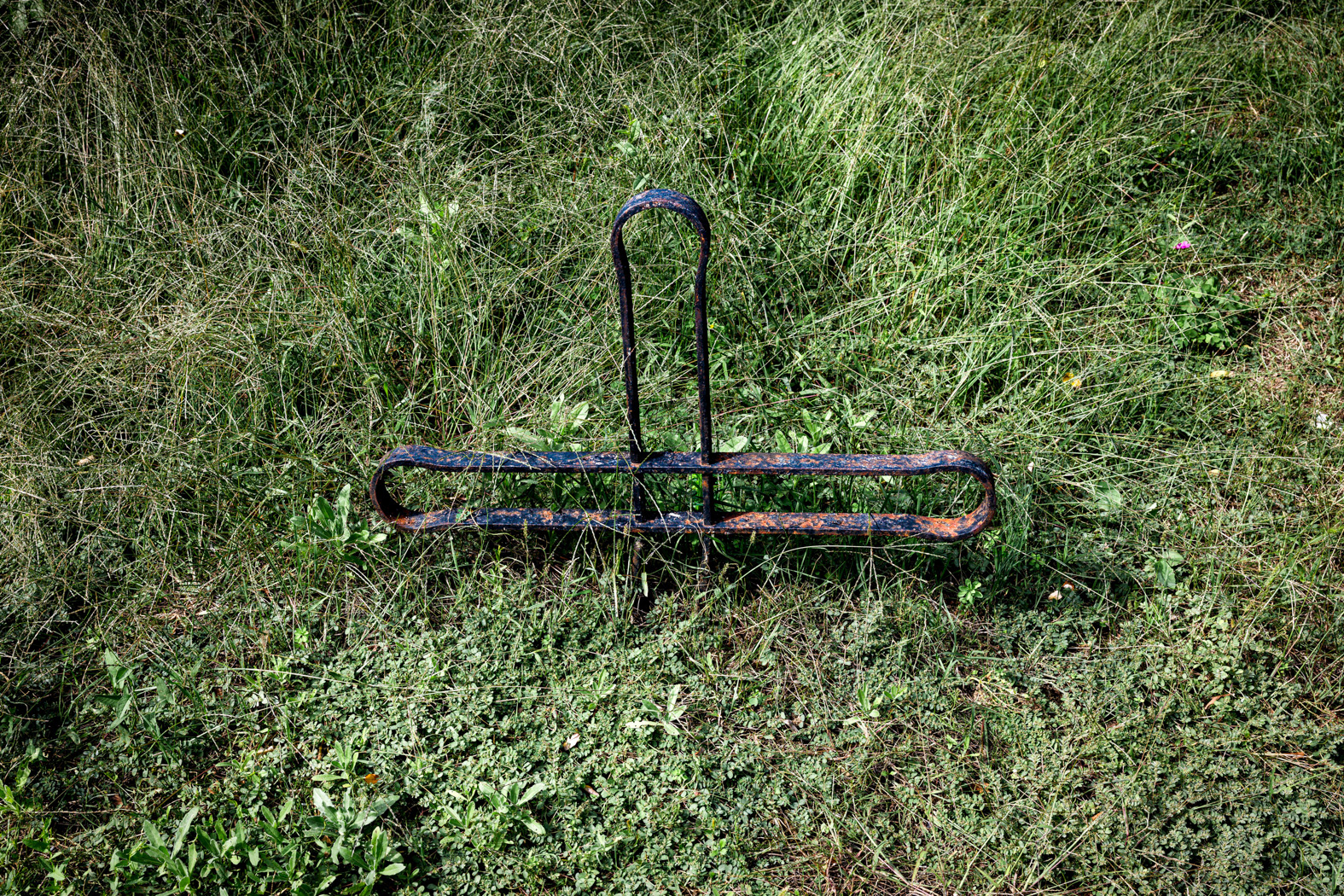
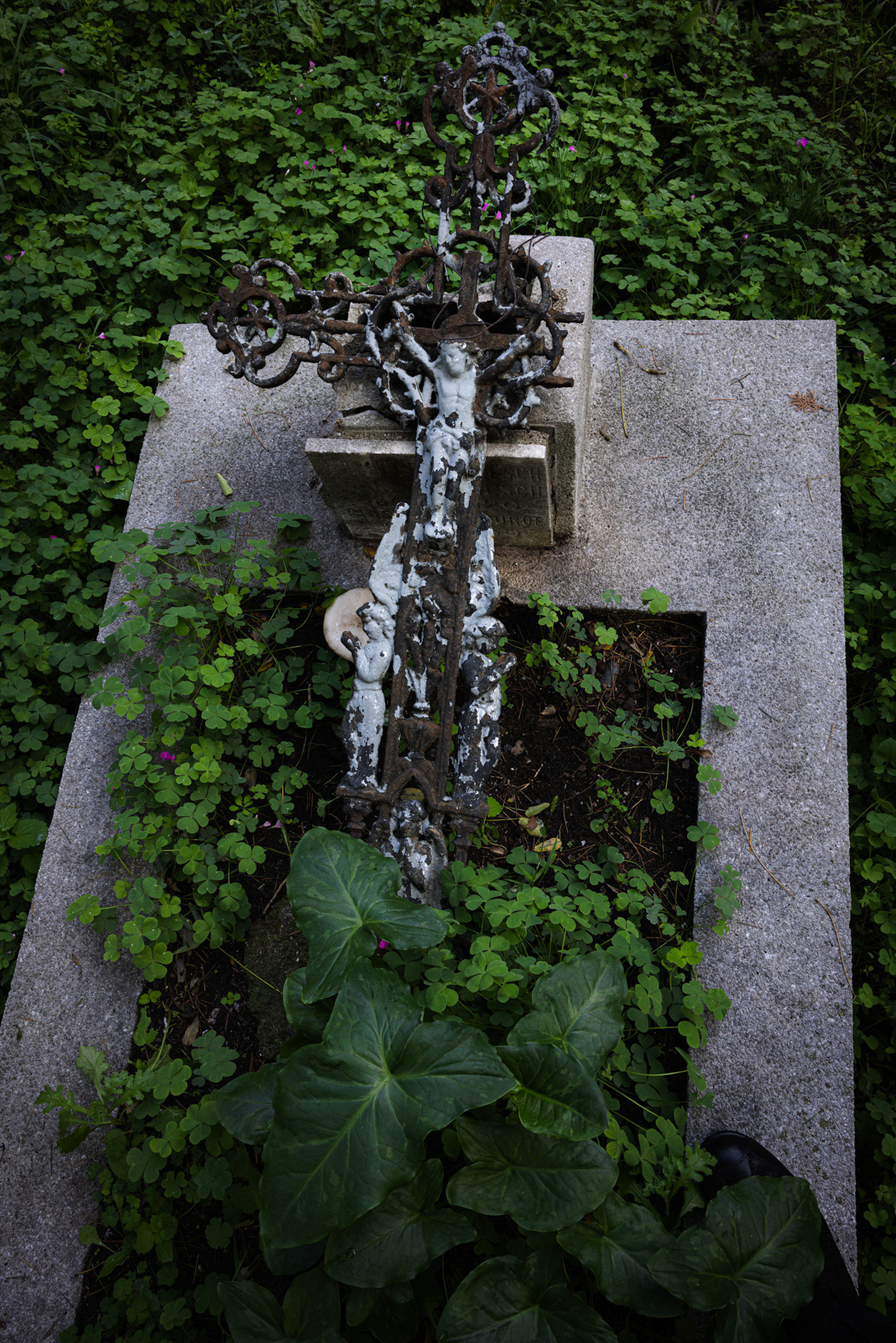
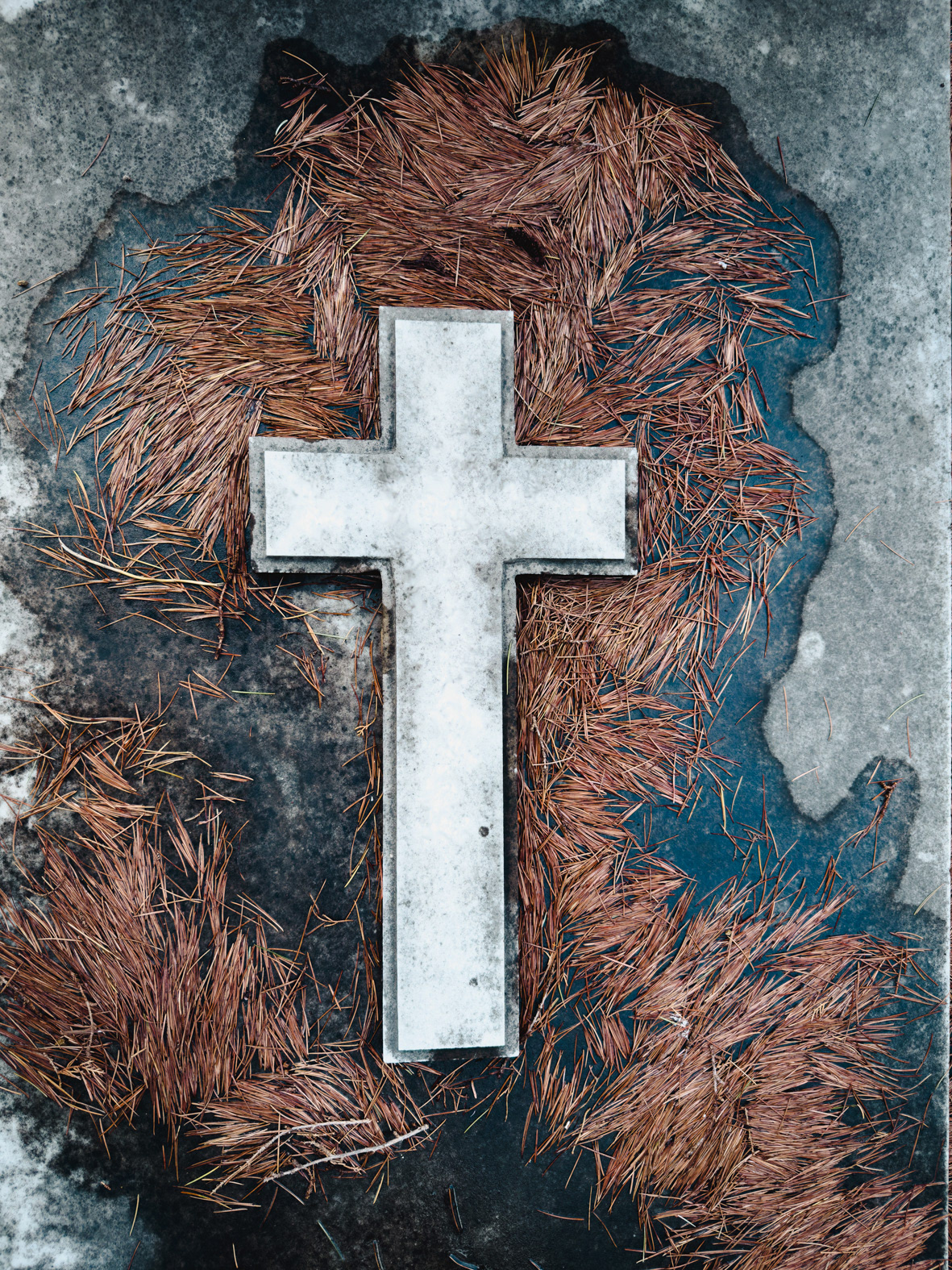
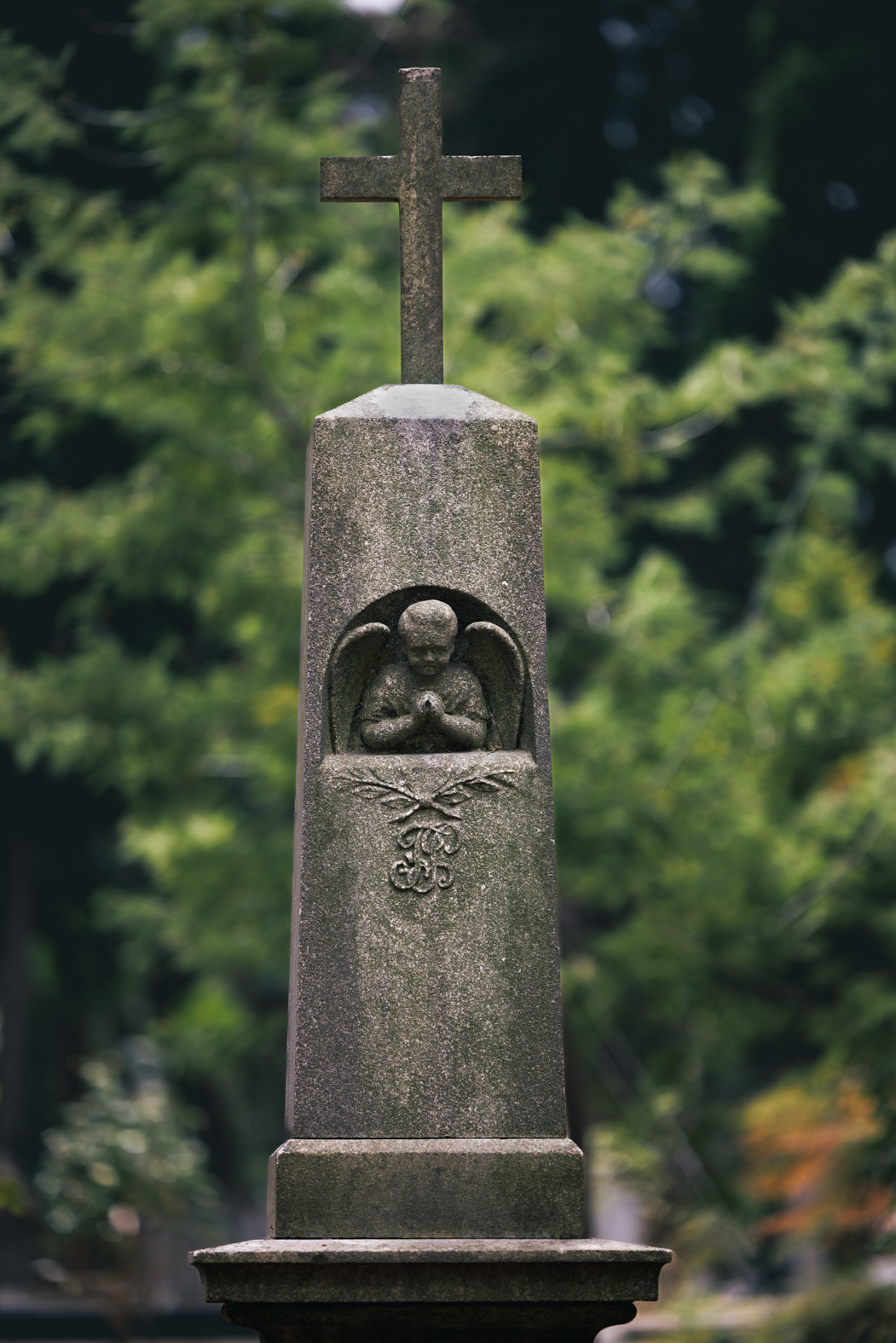
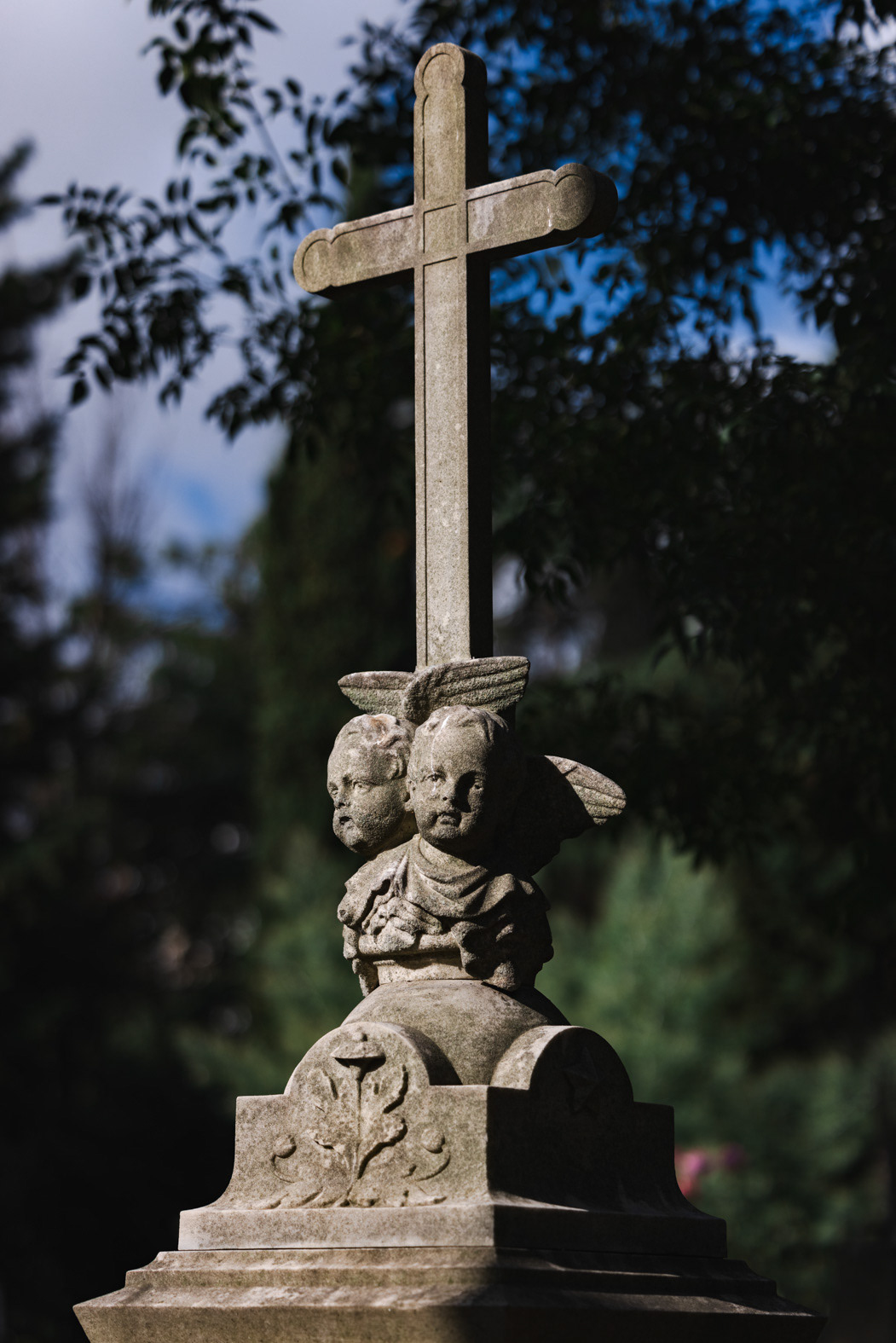
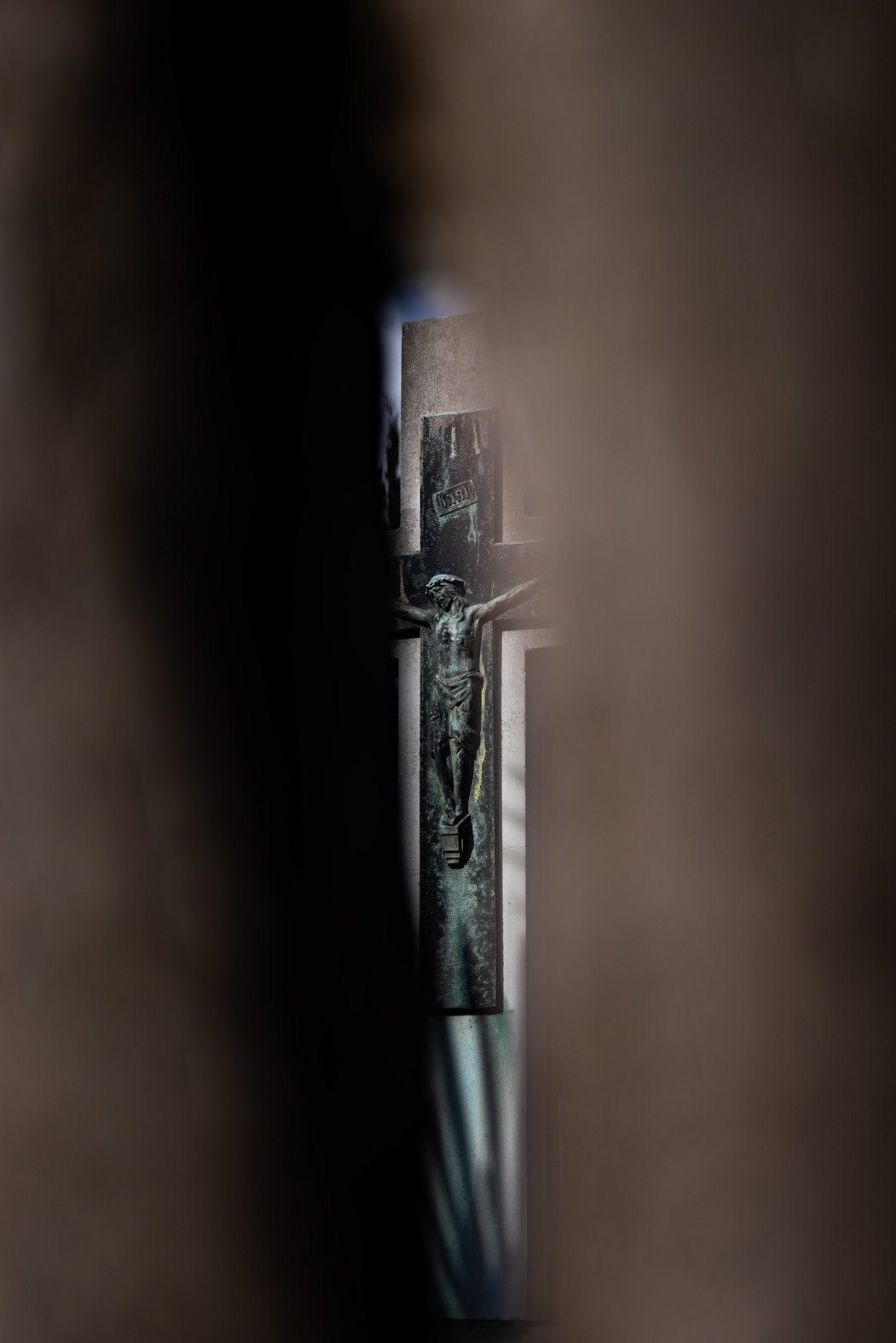
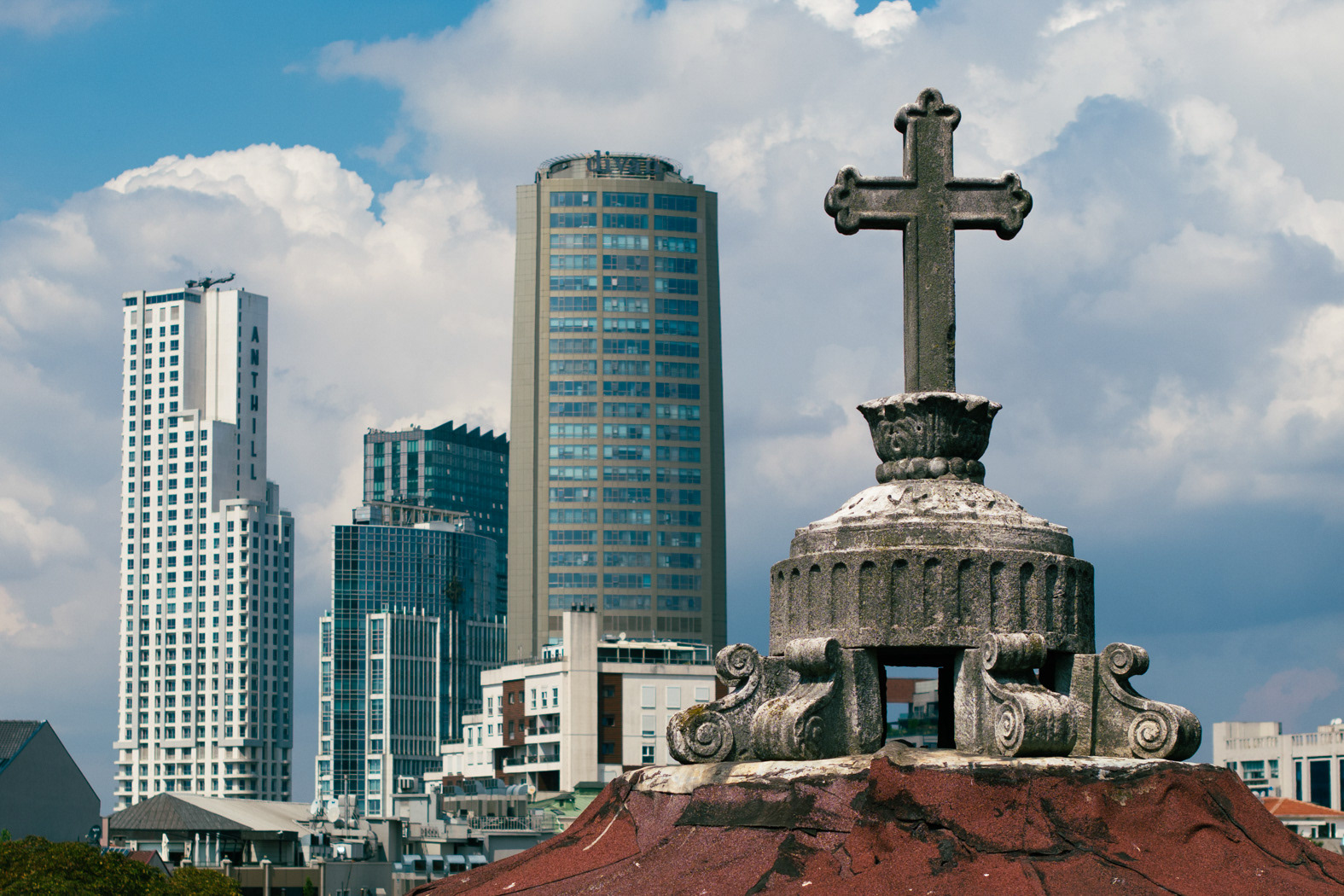
“Time erodes; memory endures.”
CHAPTER 6
IN LAPIDIBUS VULNERA MEMORIAE.
“In the stones are the wounds of memory.”
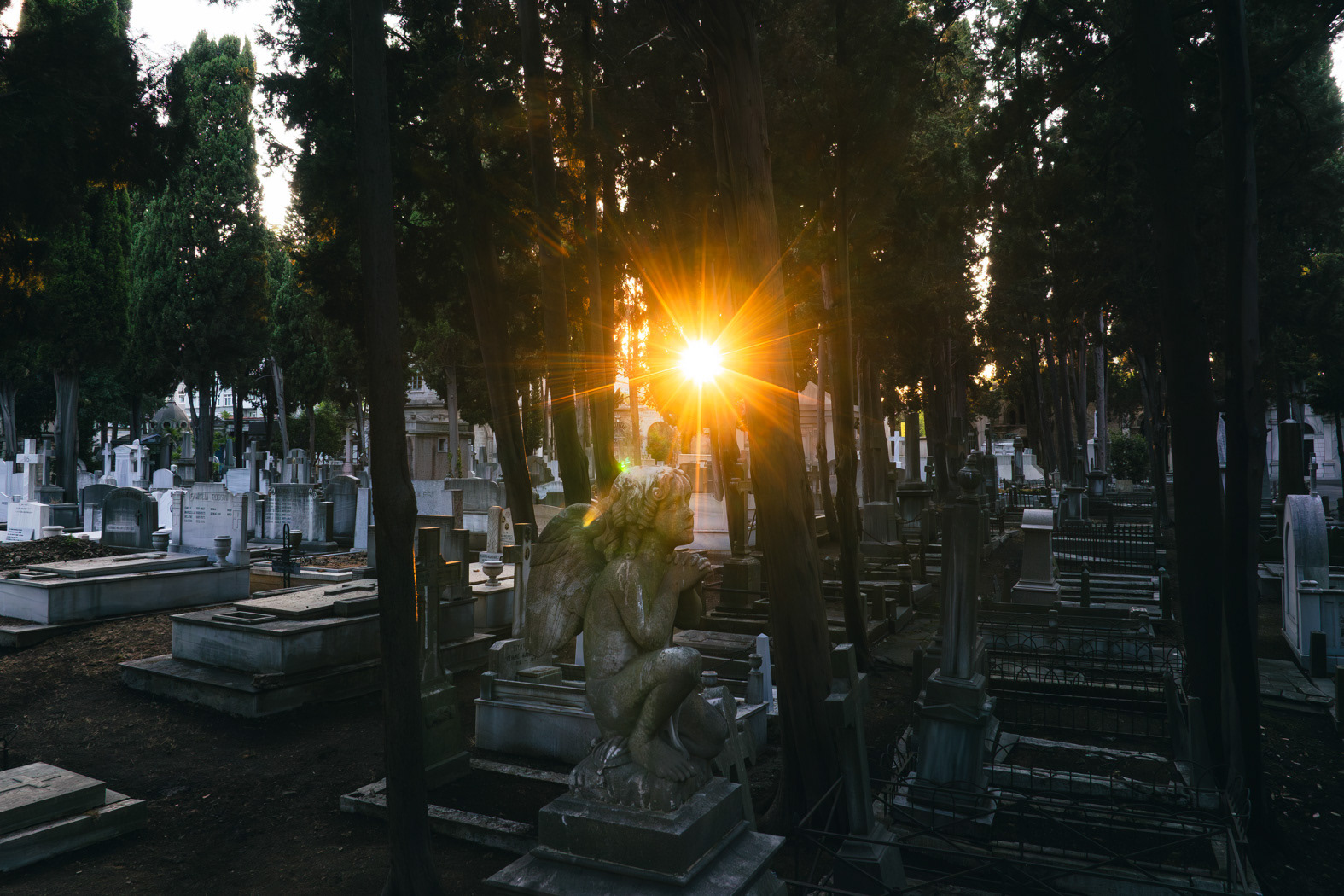
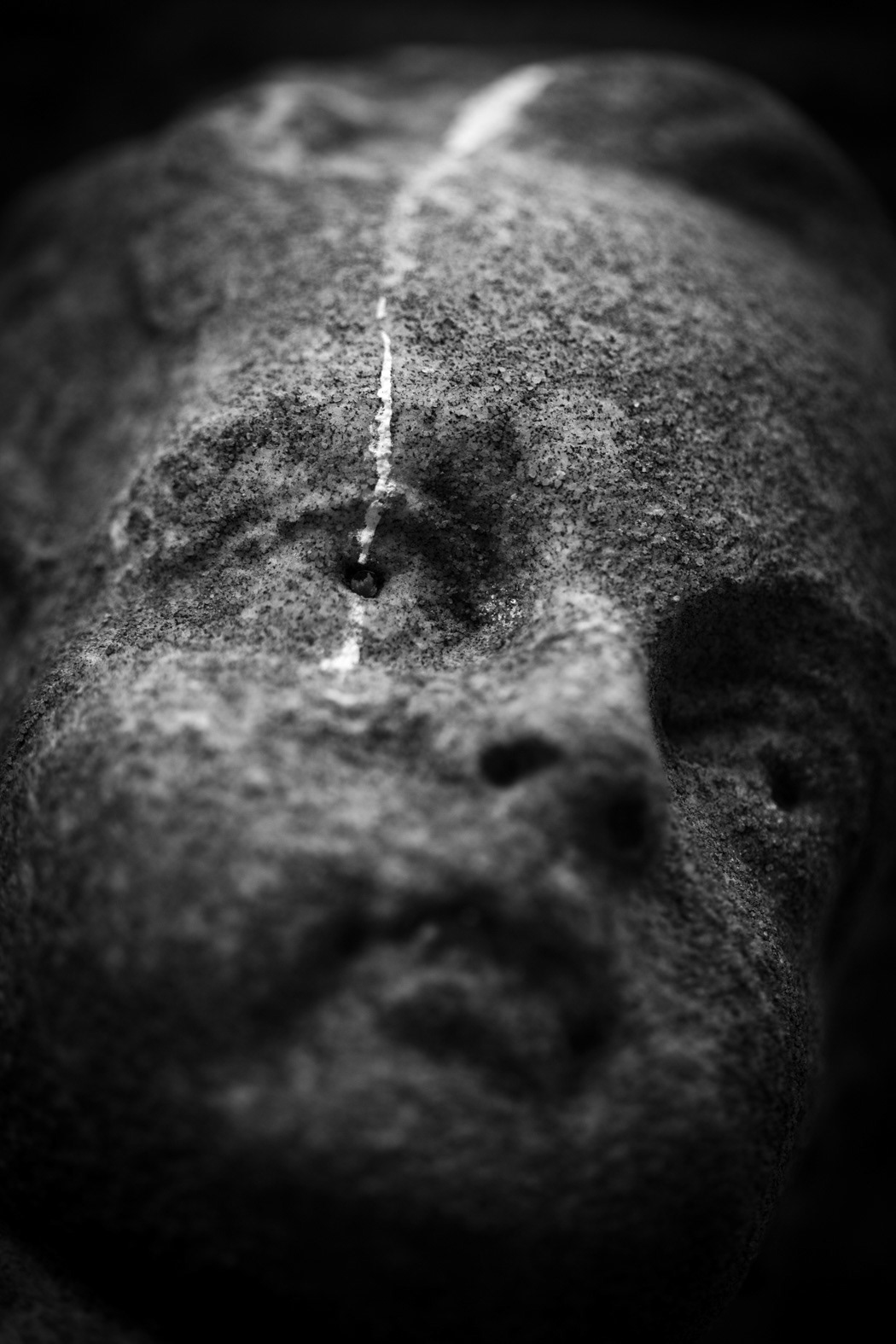
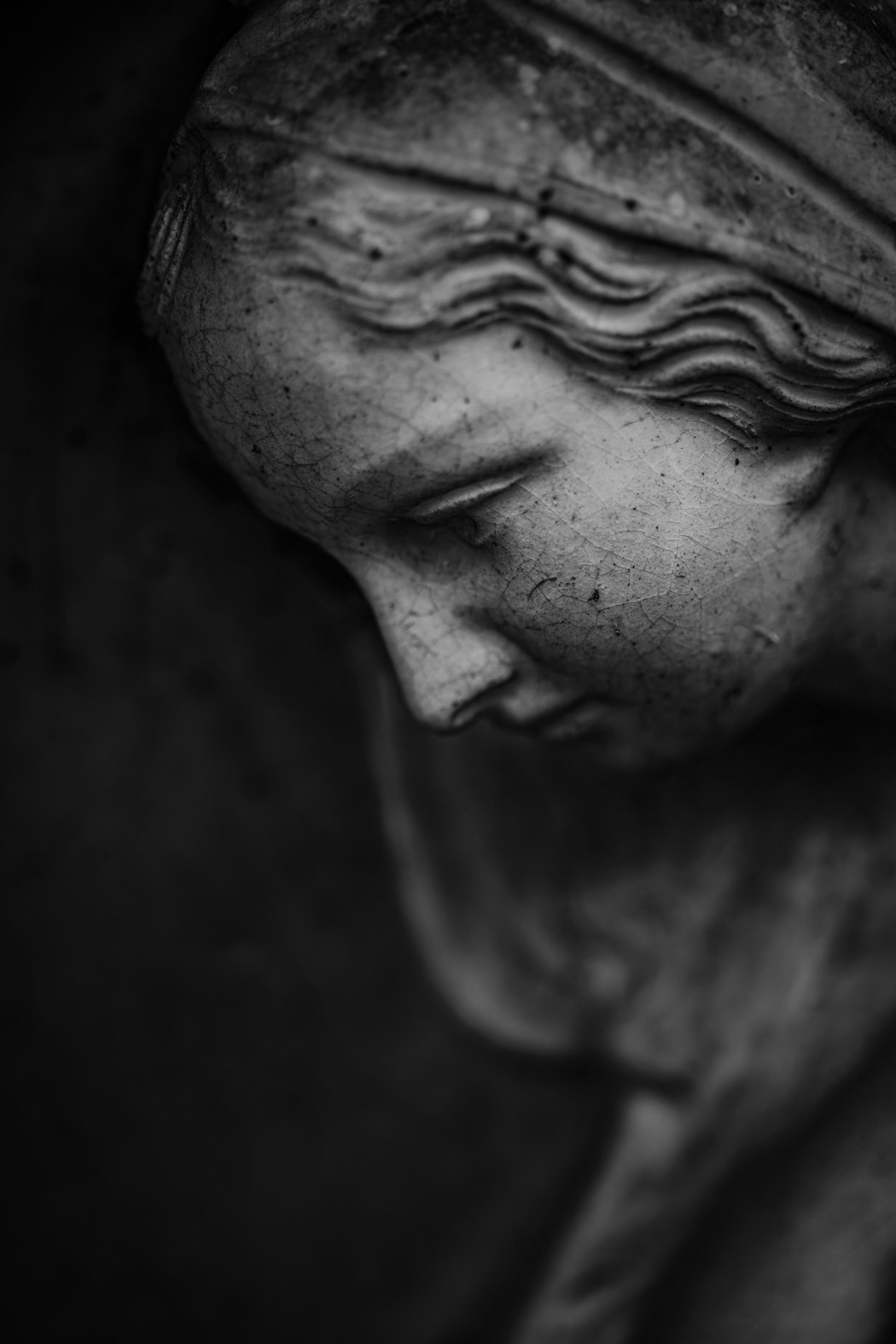
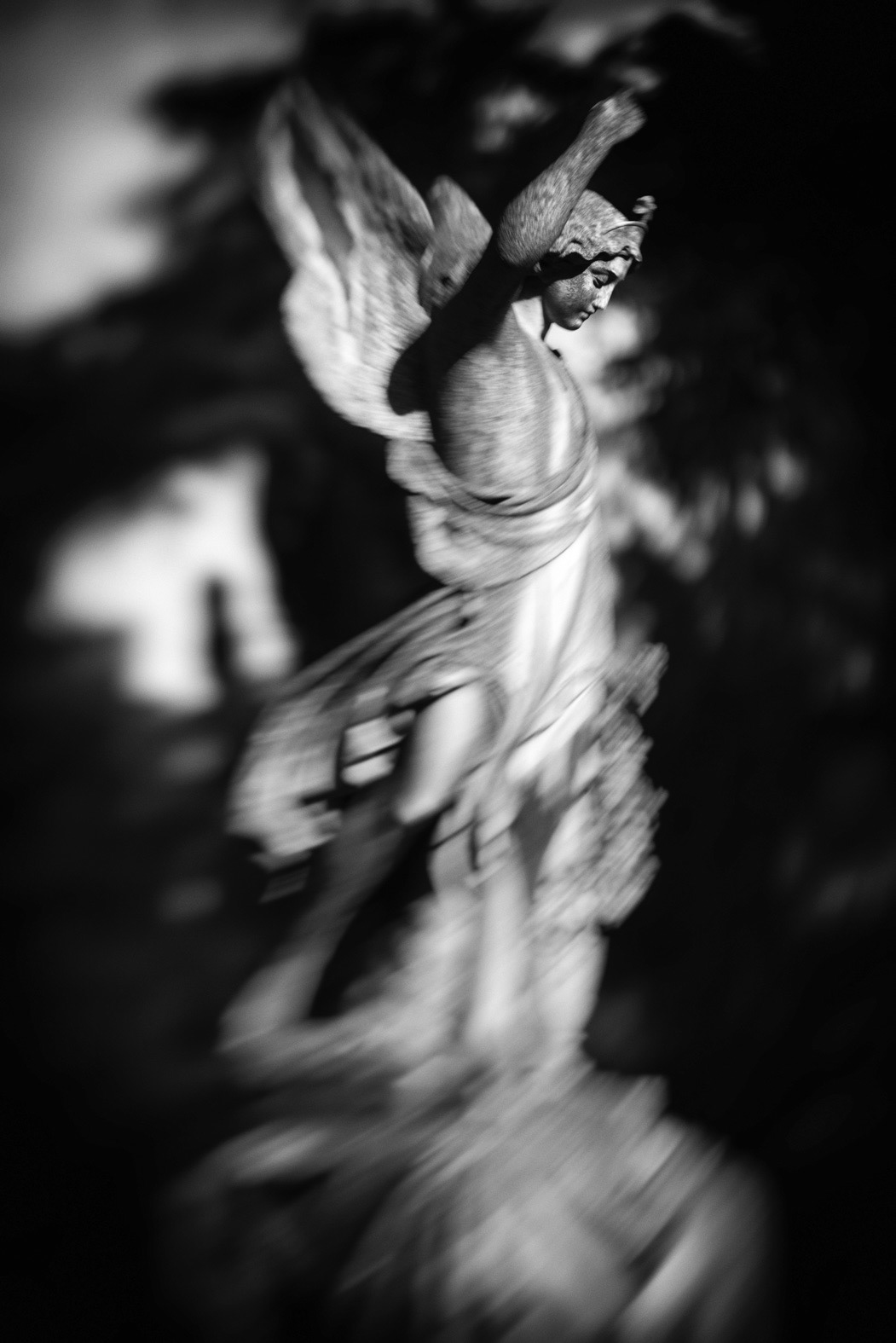
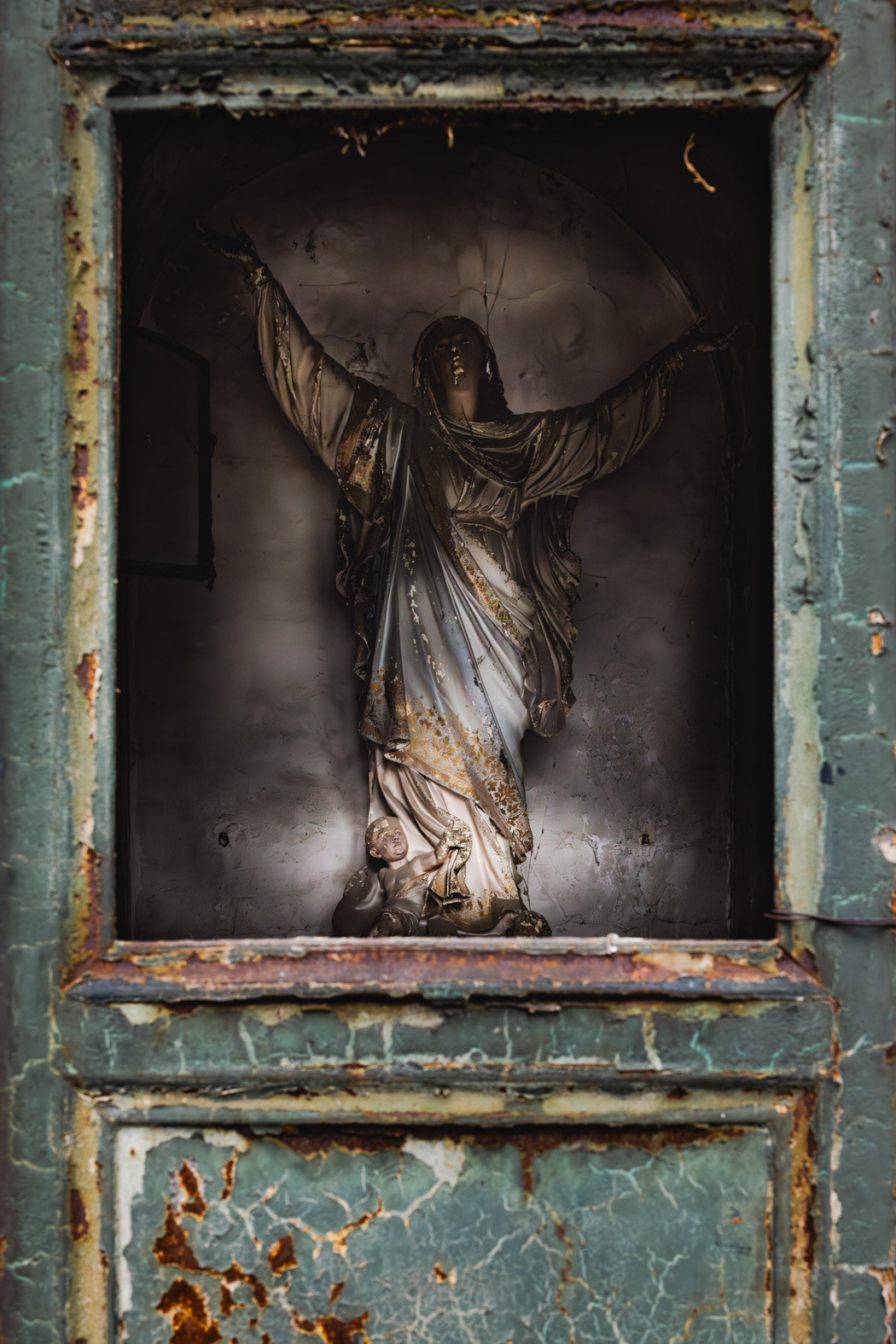
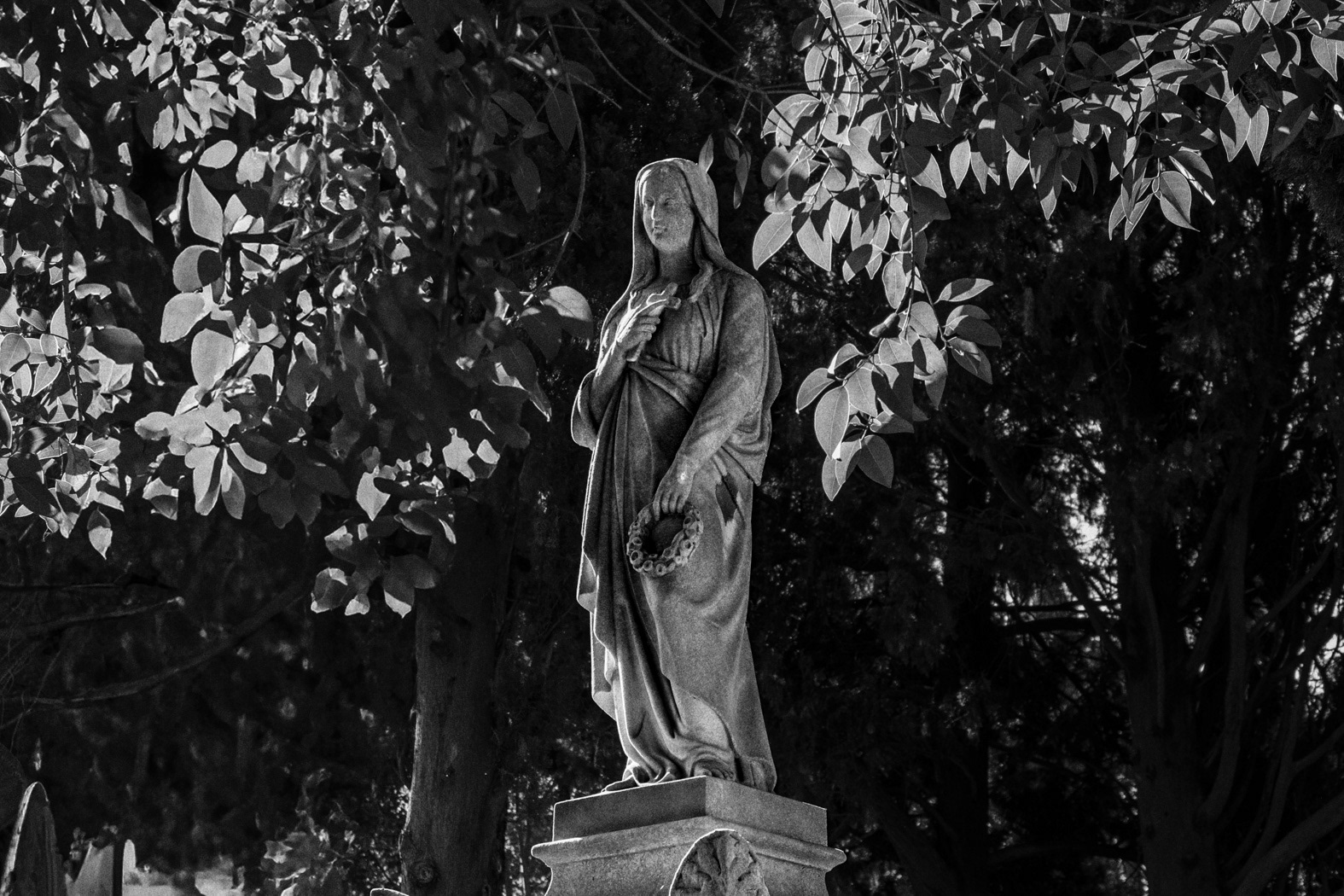
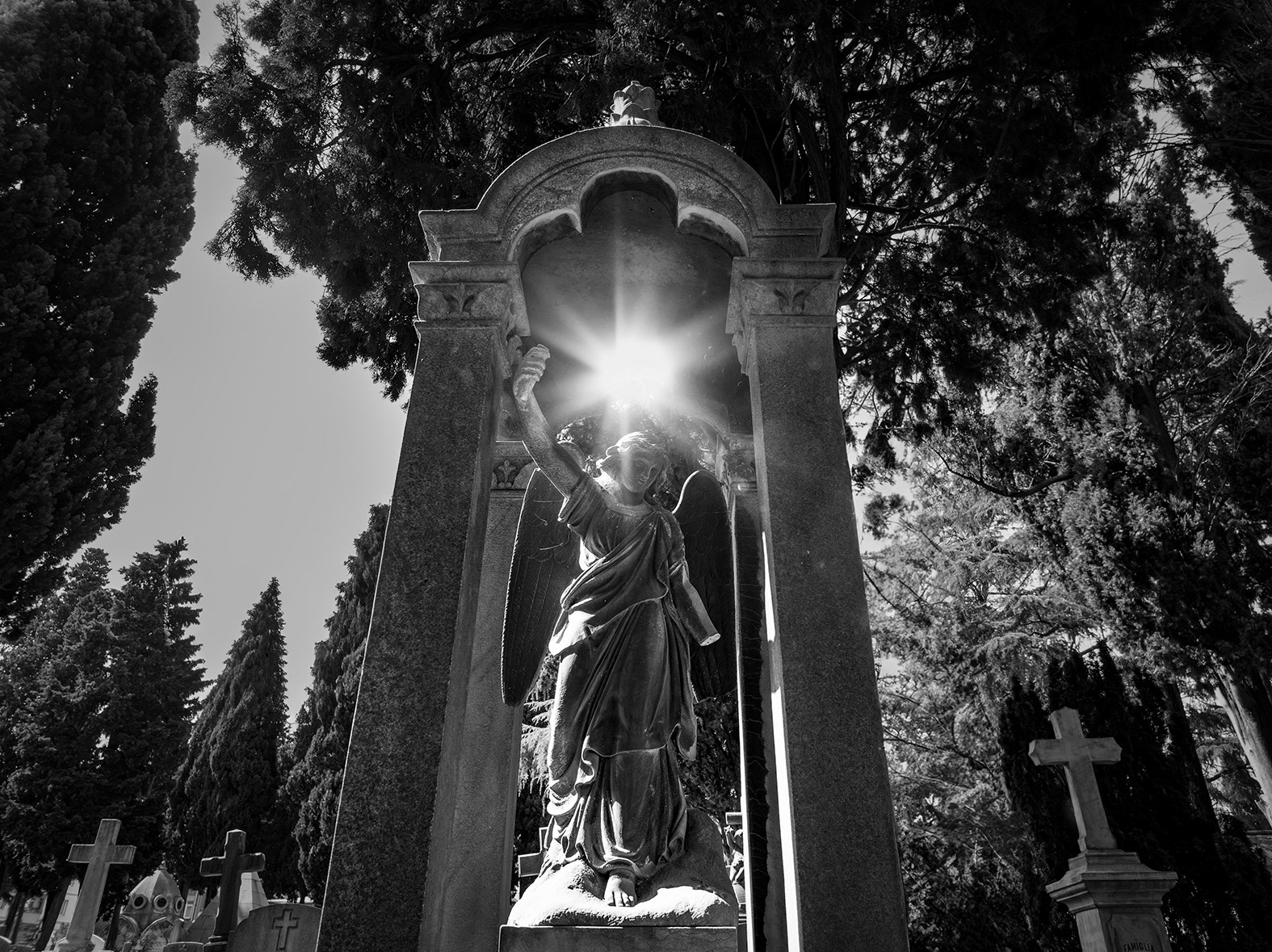
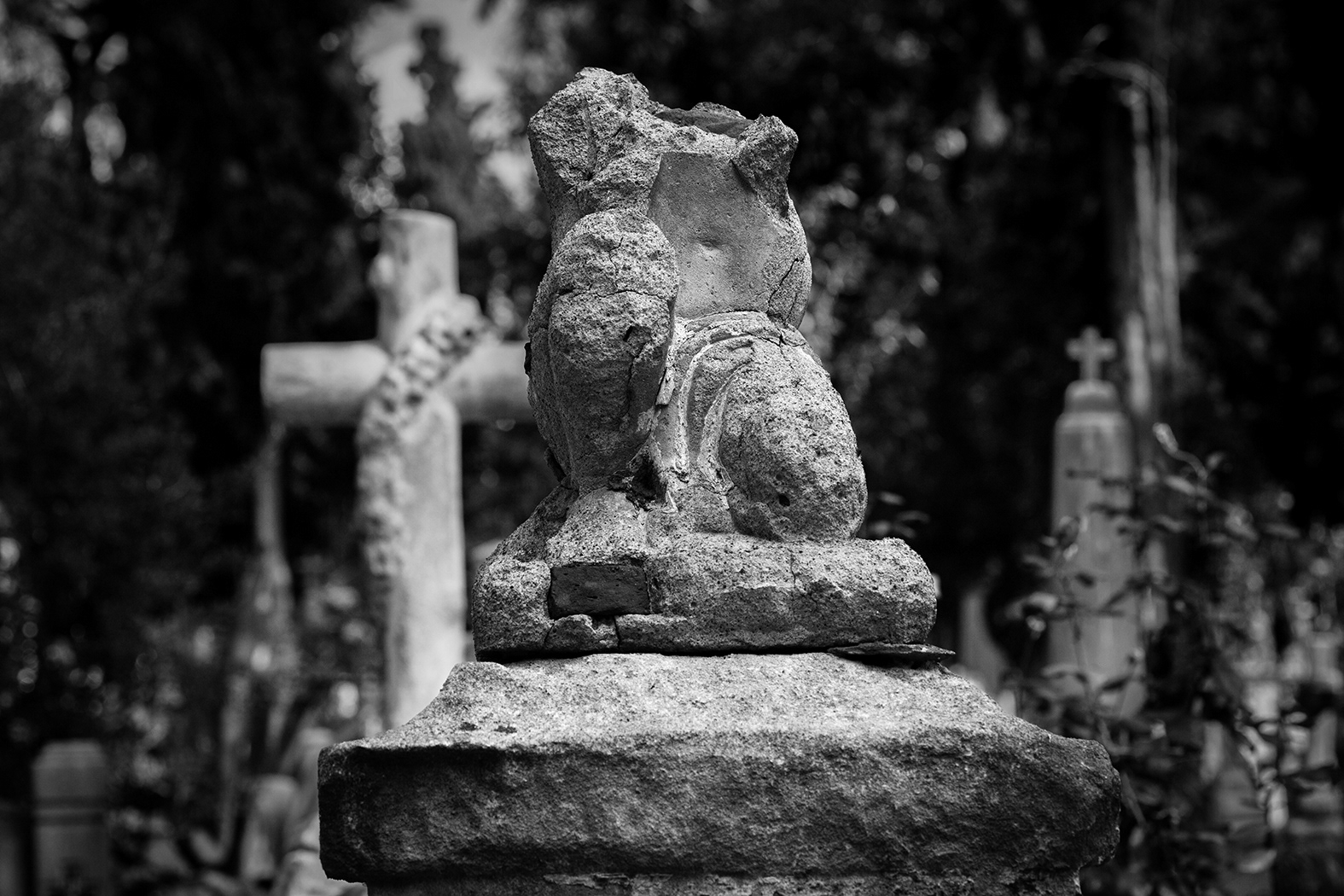
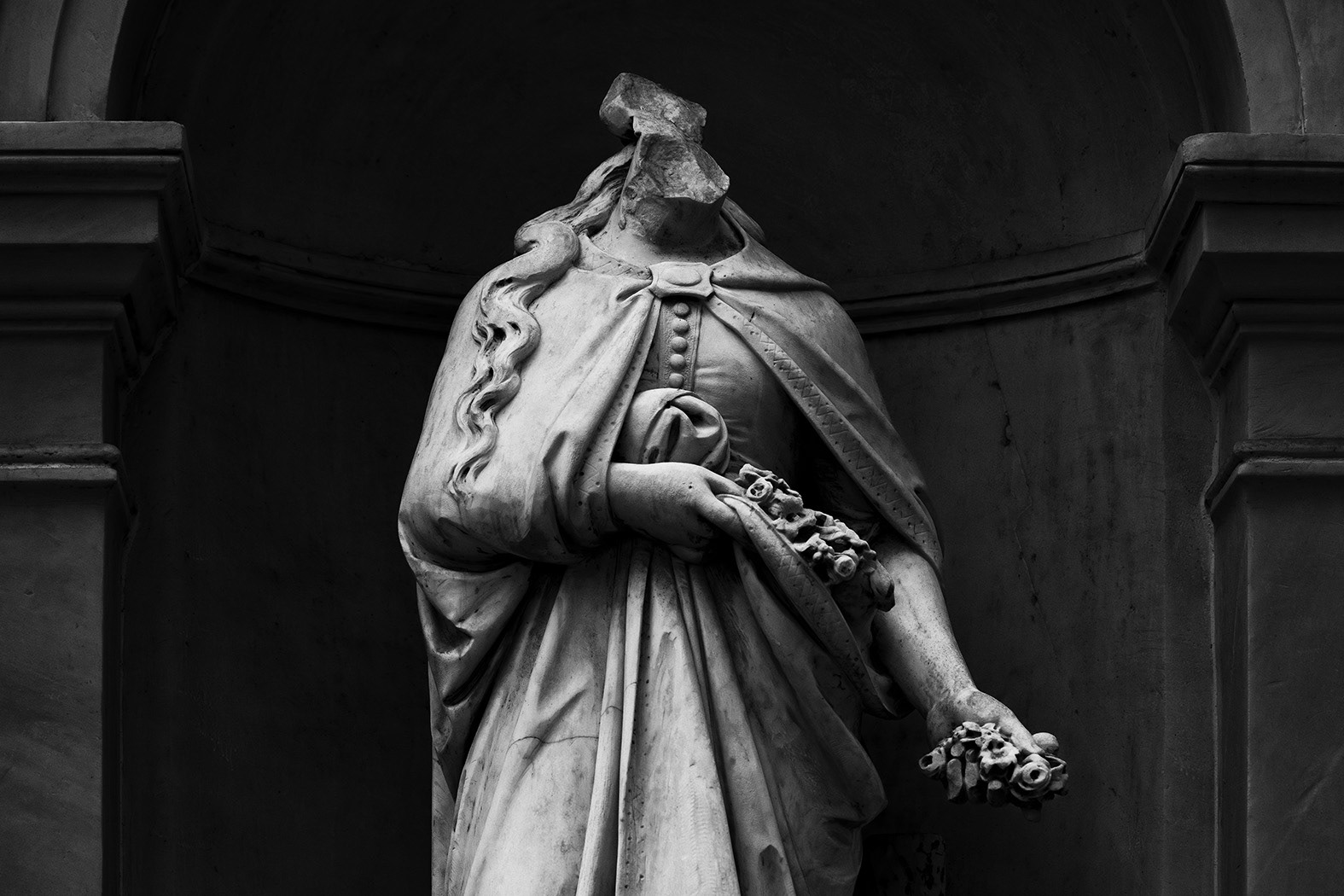
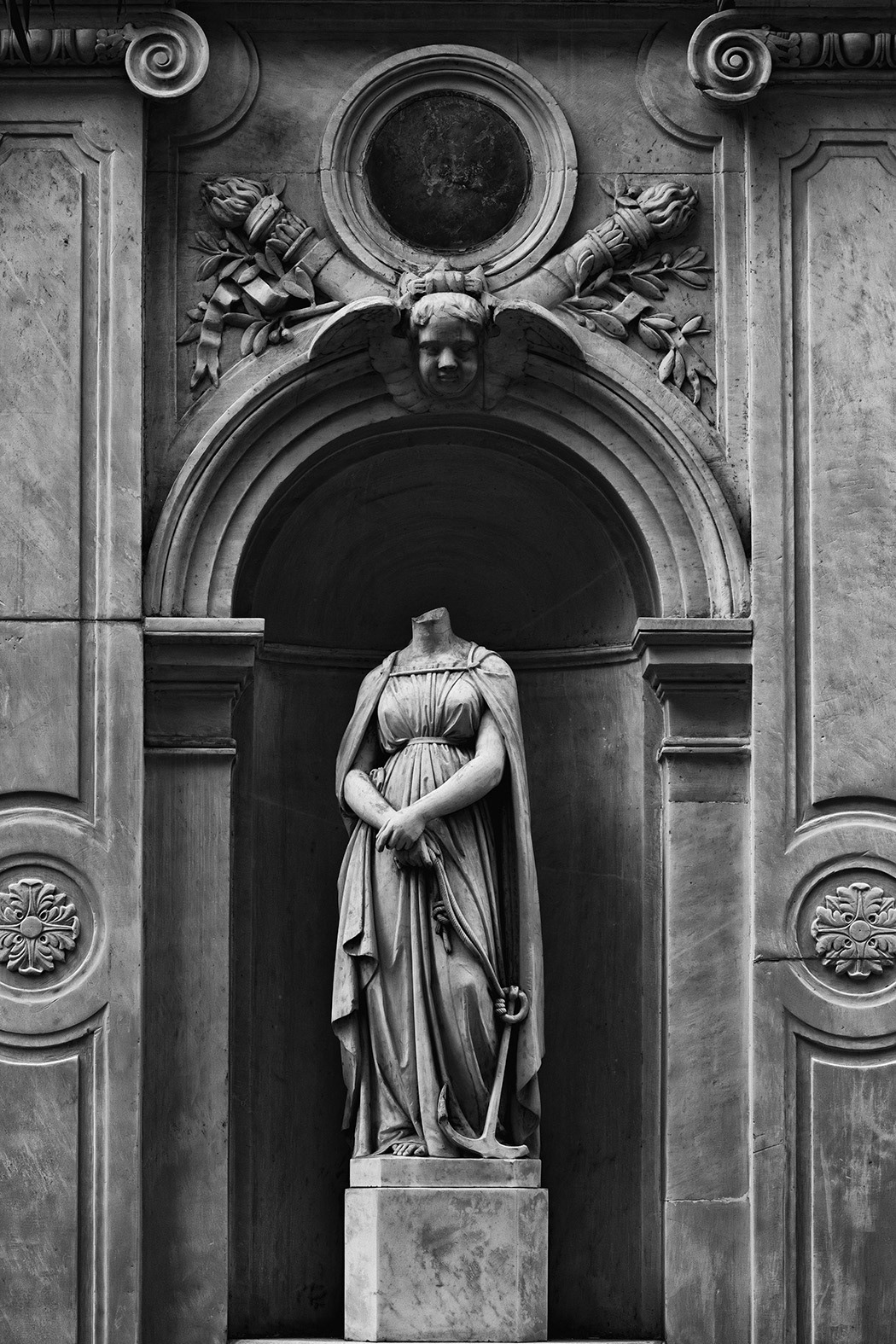
Minorities declared “the other” were not only forced into exile from these lands; at various times, their sacred symbols also fell victim to violence and vandalism.
In this cemetery, the attacked statues and icons are not merely blows struck against stone; they are traces of violence directed at memory, culture, and the possibility of living together. Ironic, indeed.
CHAPTER 7
MINOR NUMERO, MAIOR MEMORIA.
“Small in number—vast in memory.”
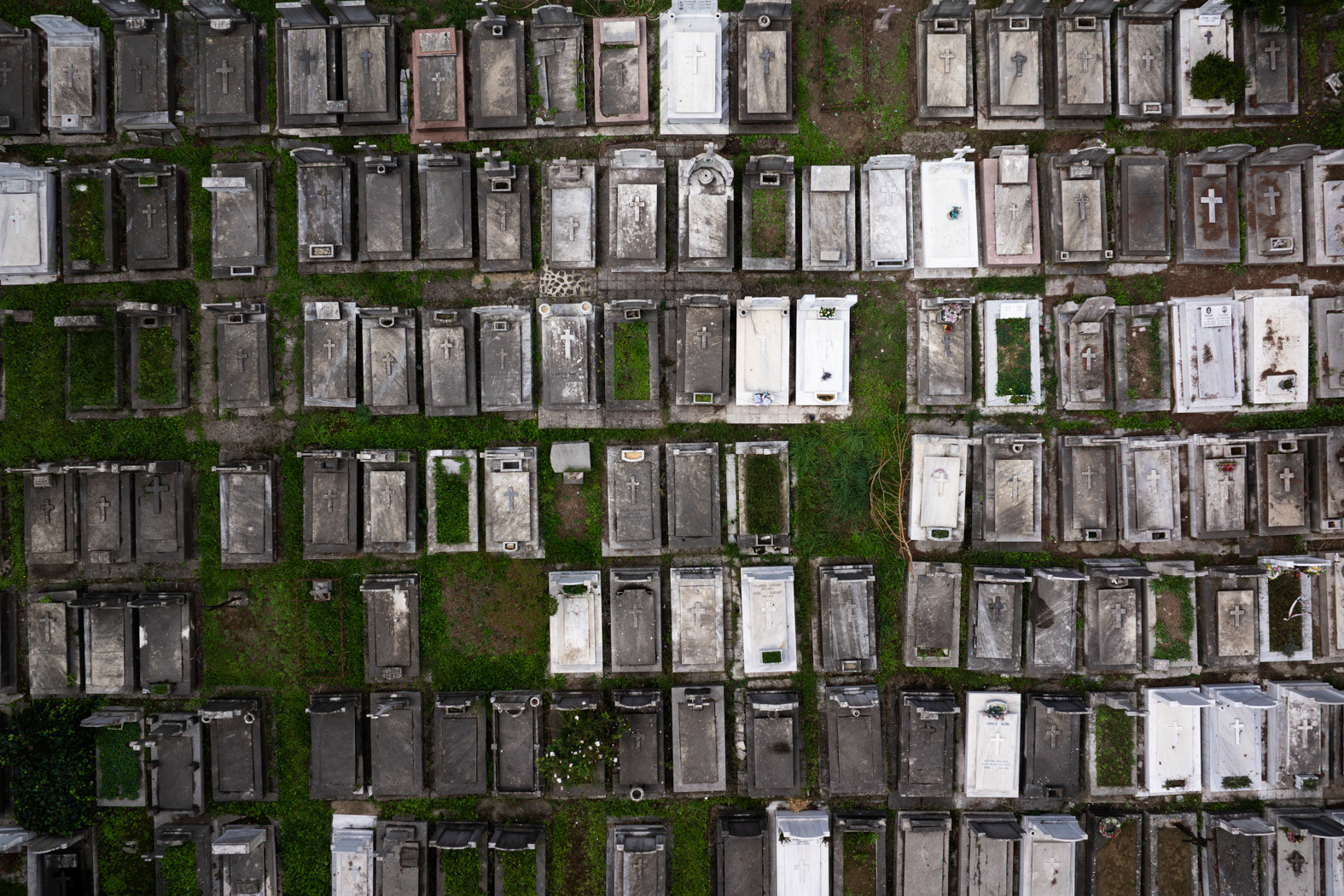
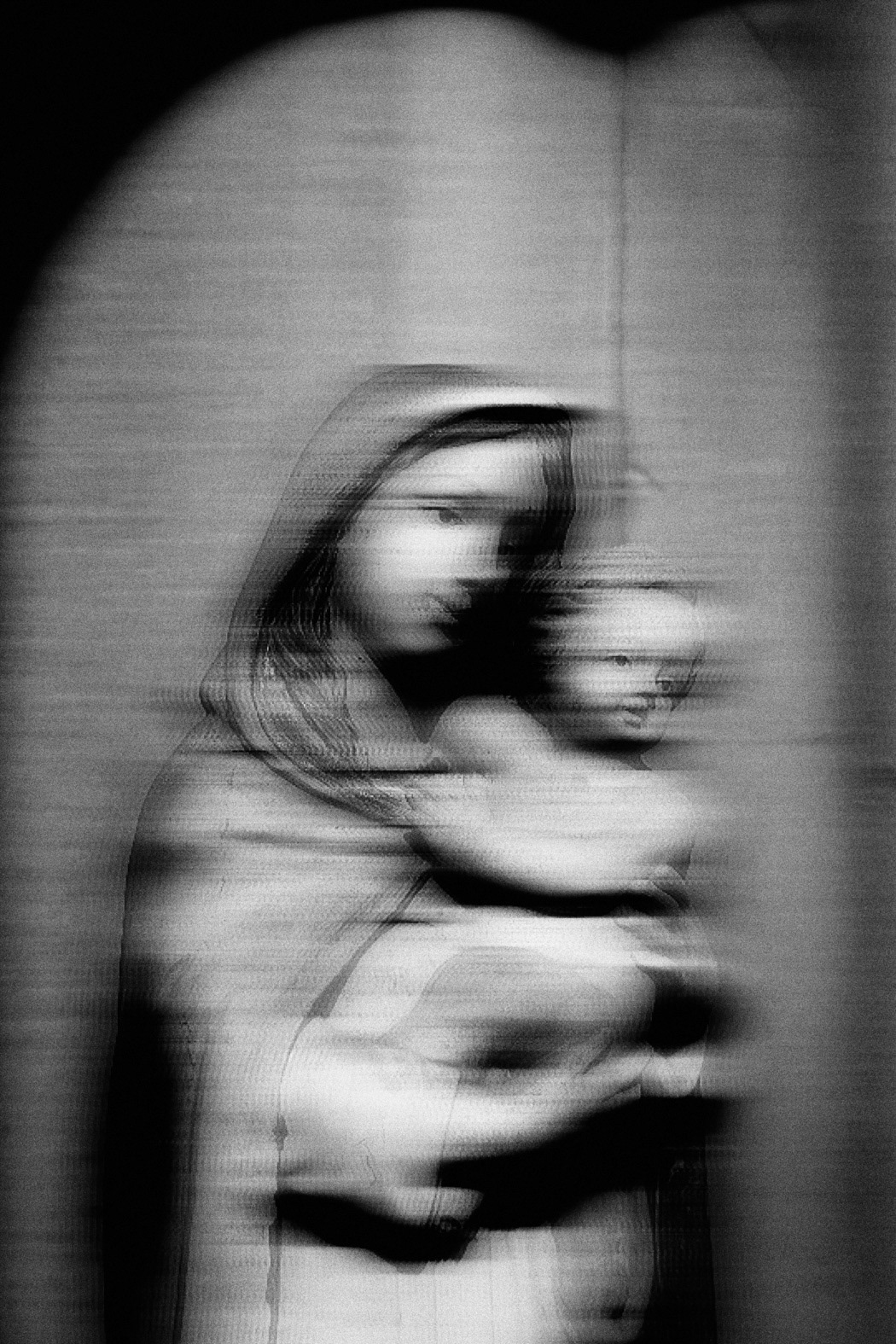
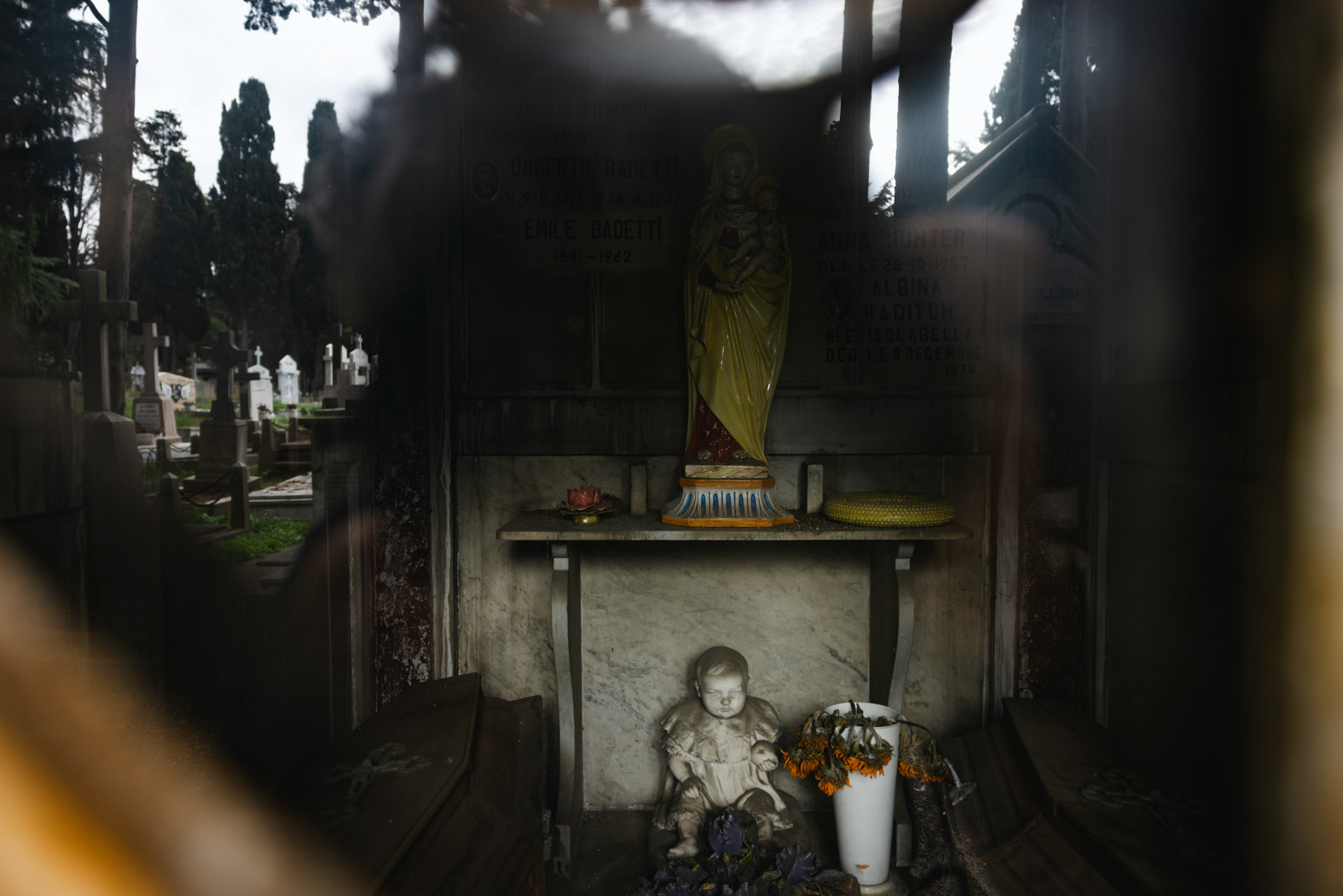
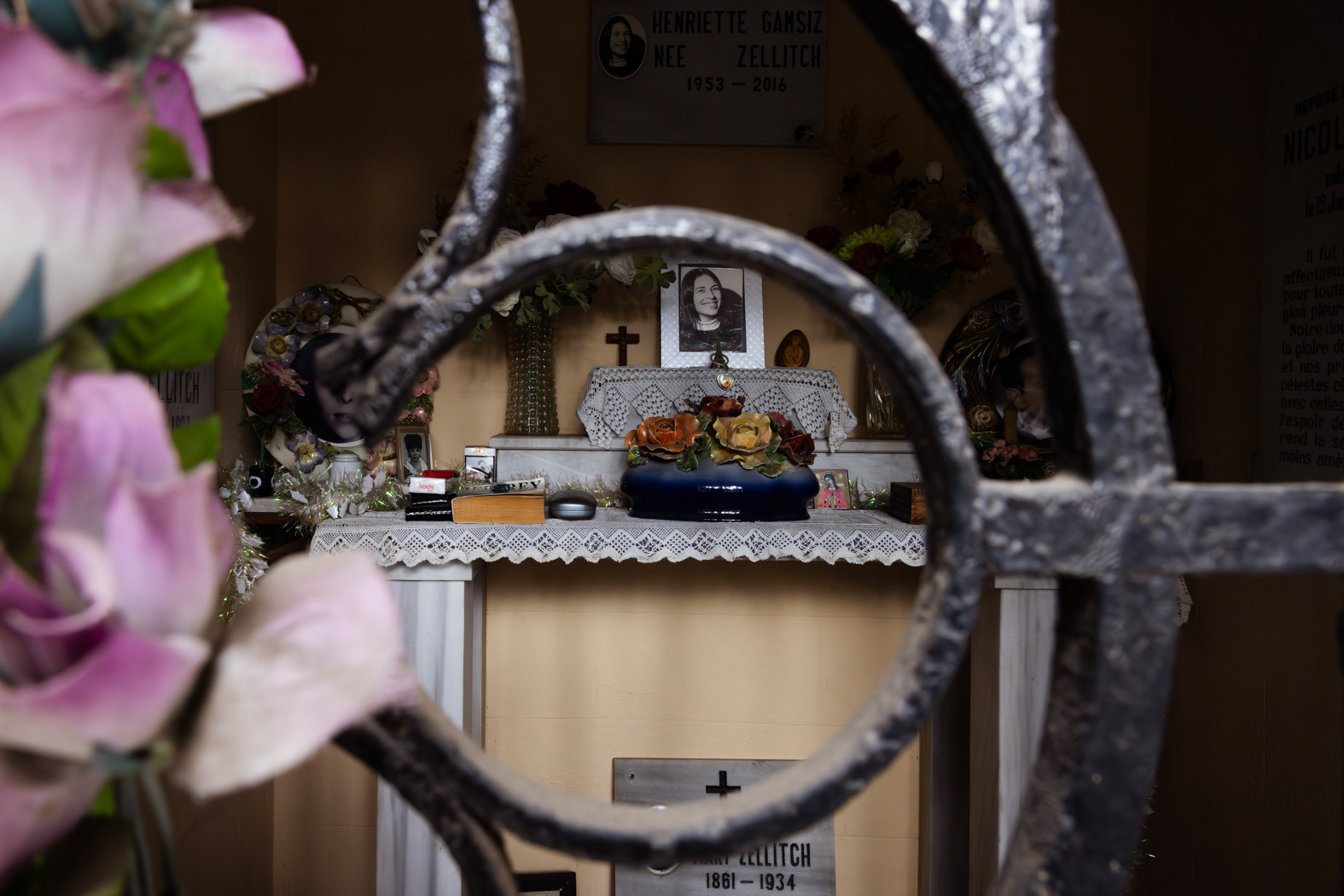
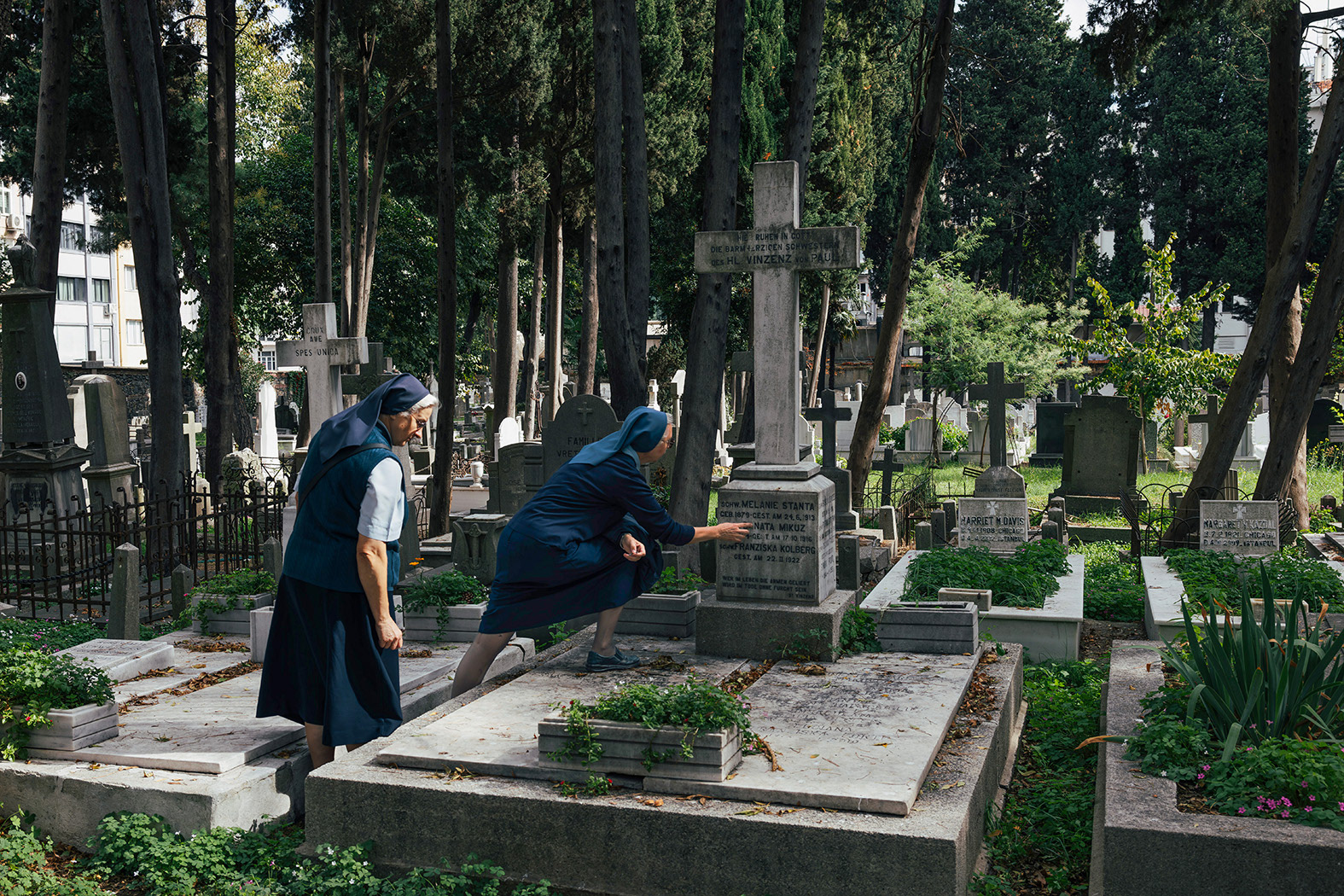
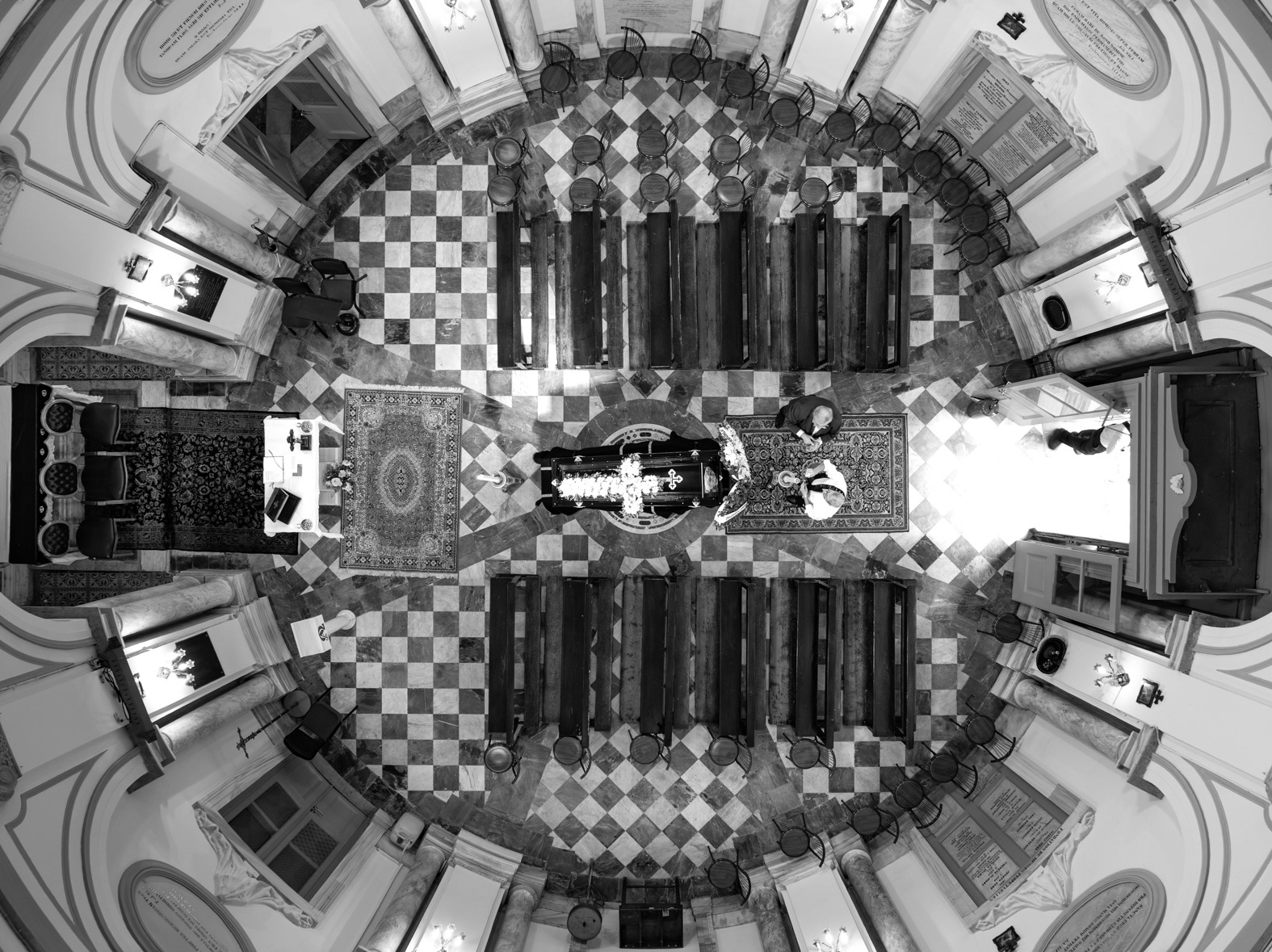
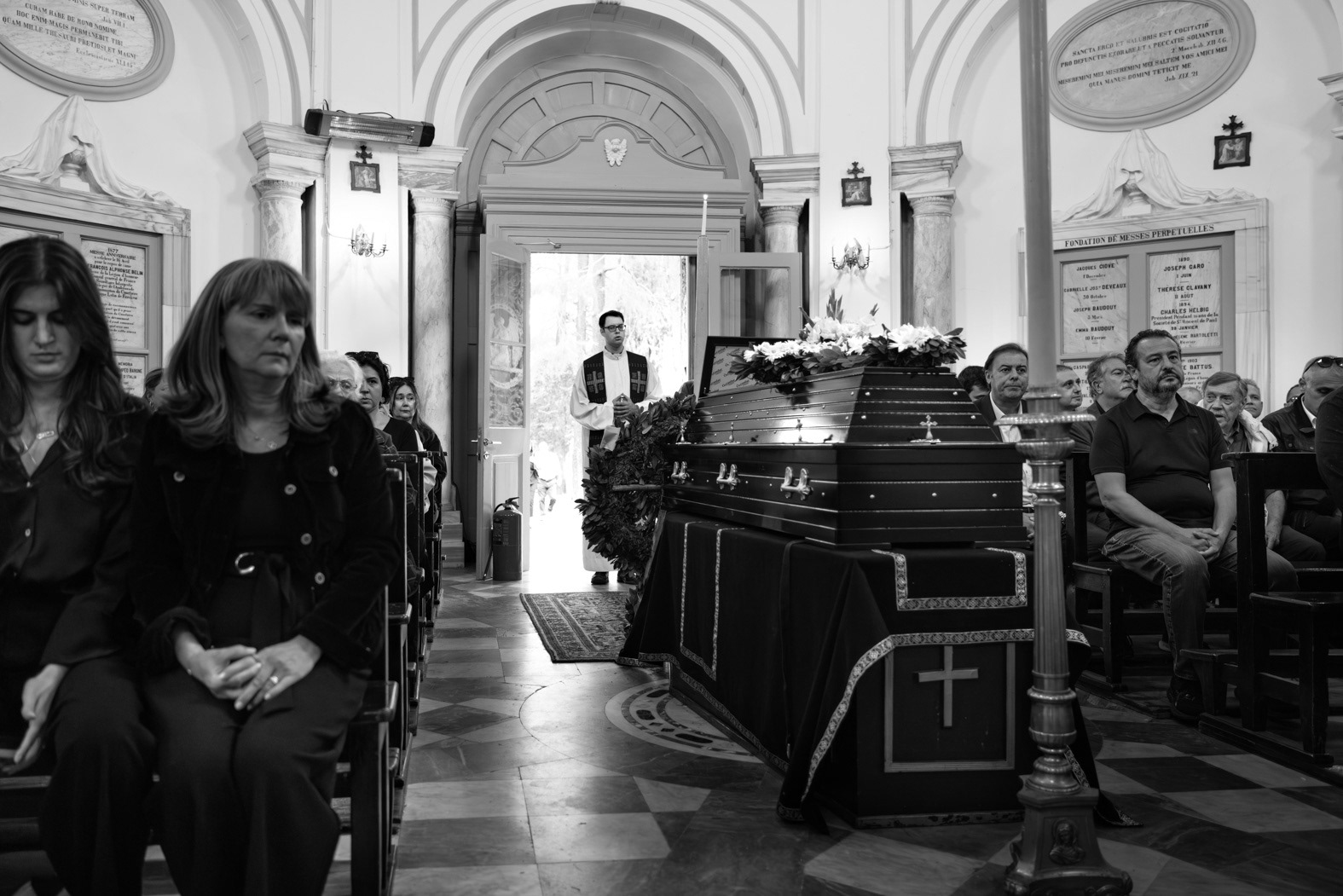
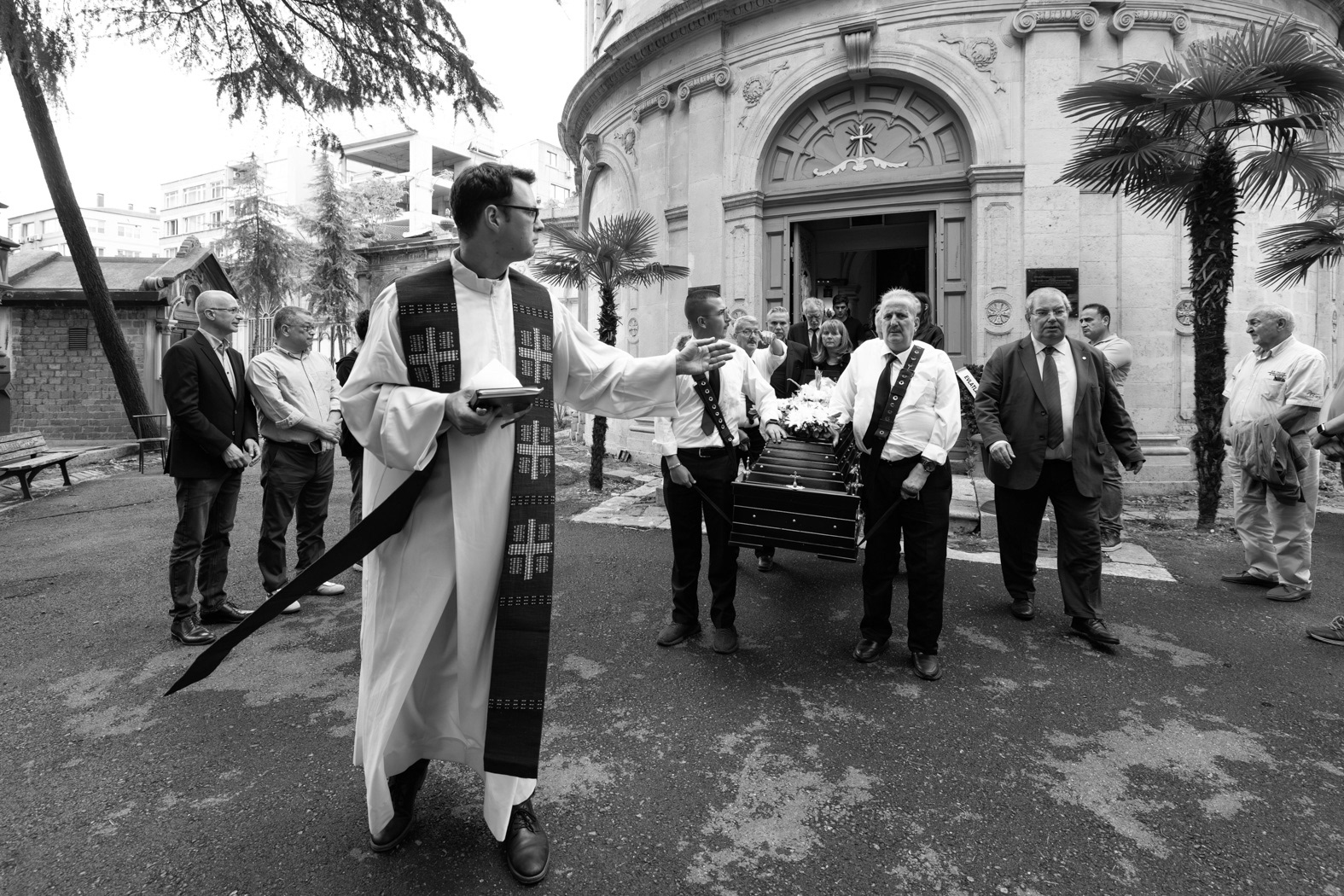
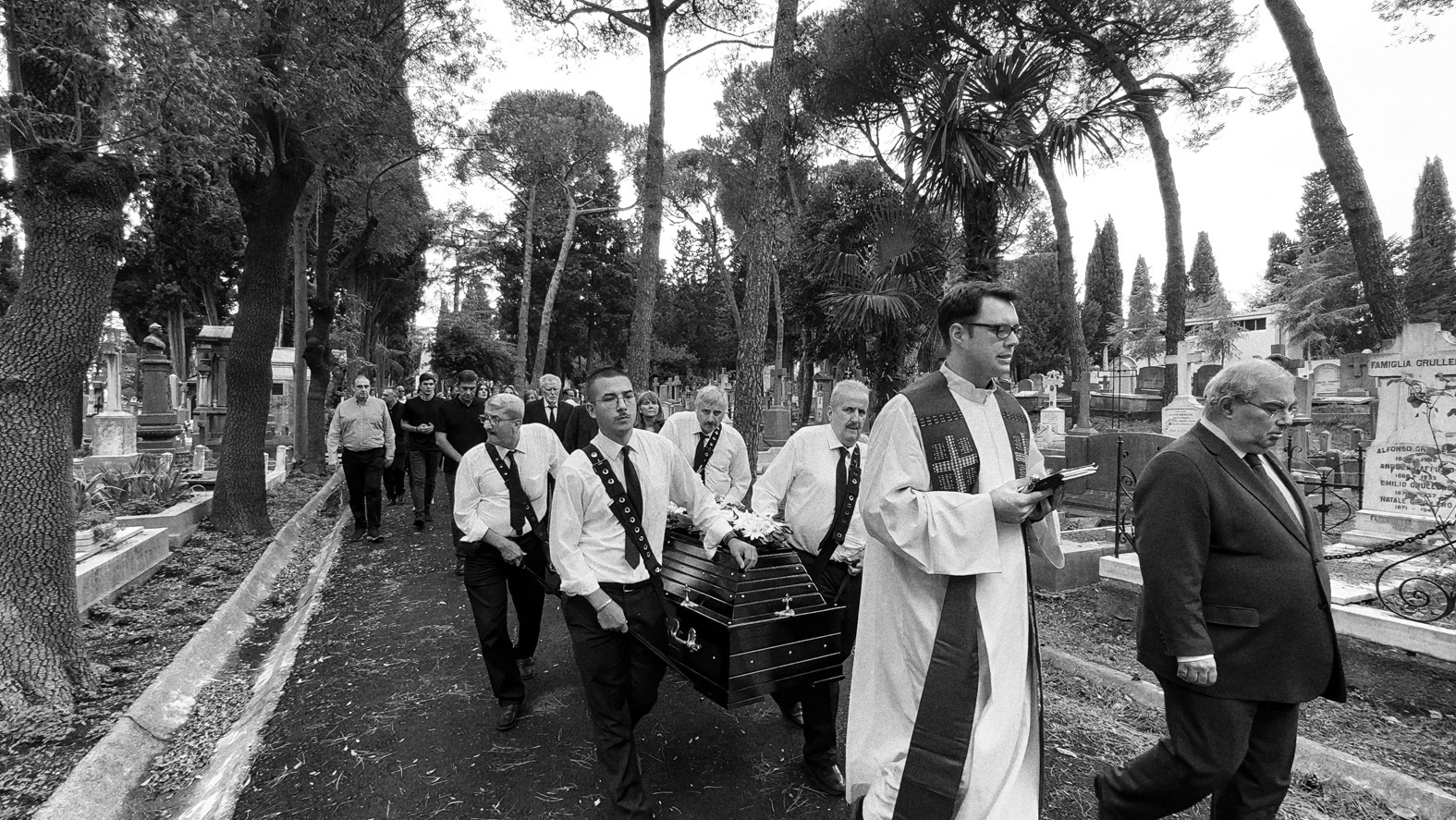
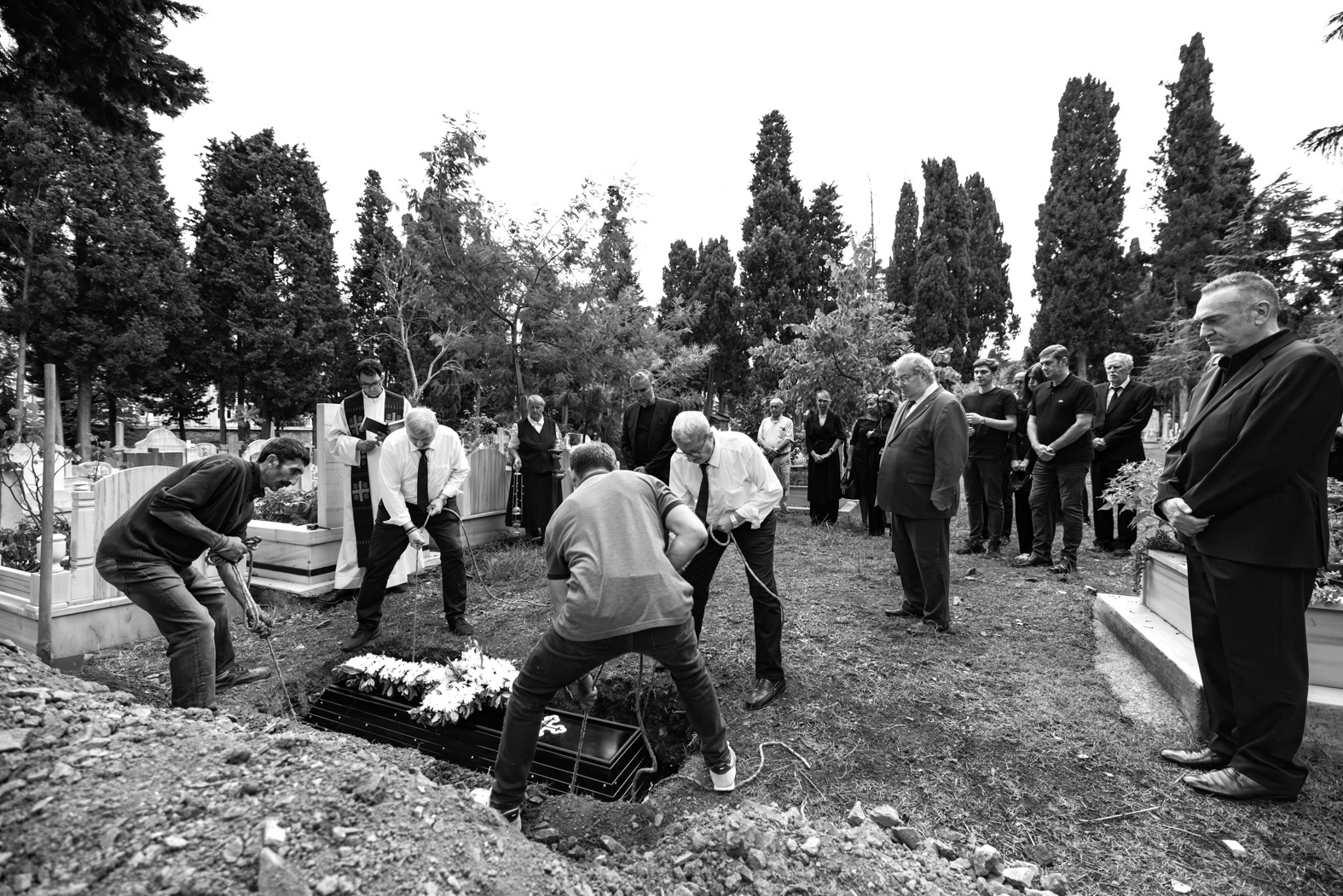
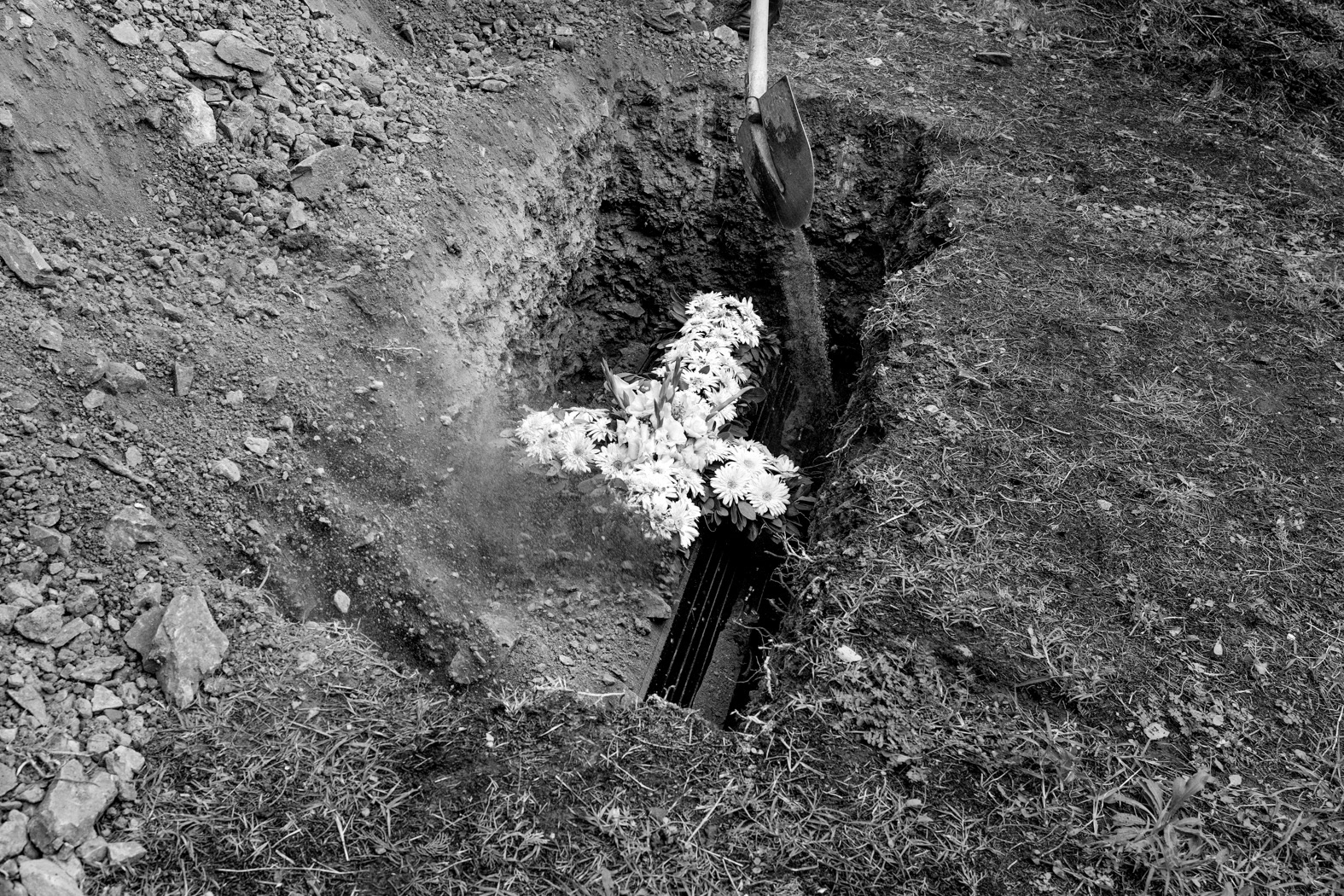
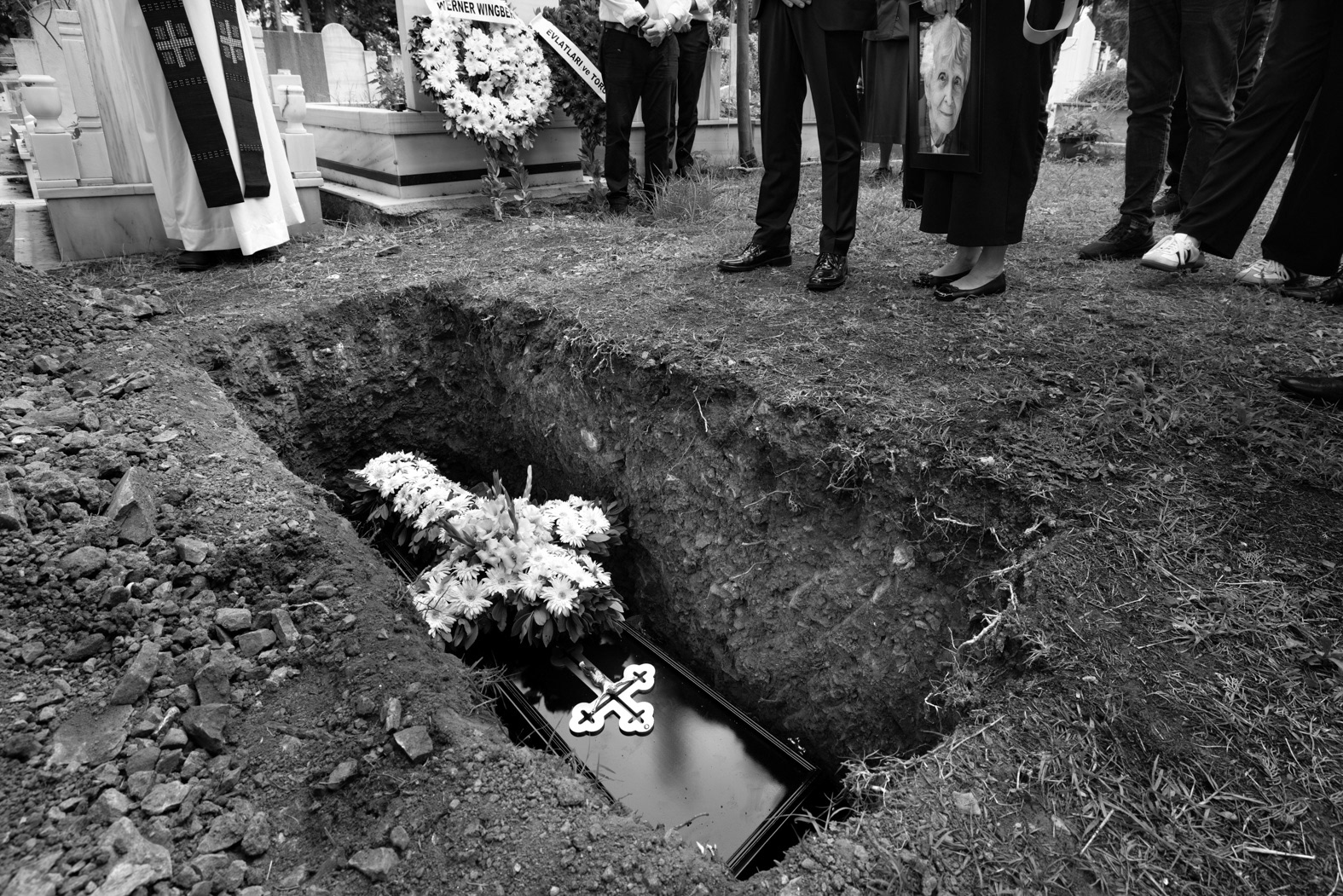
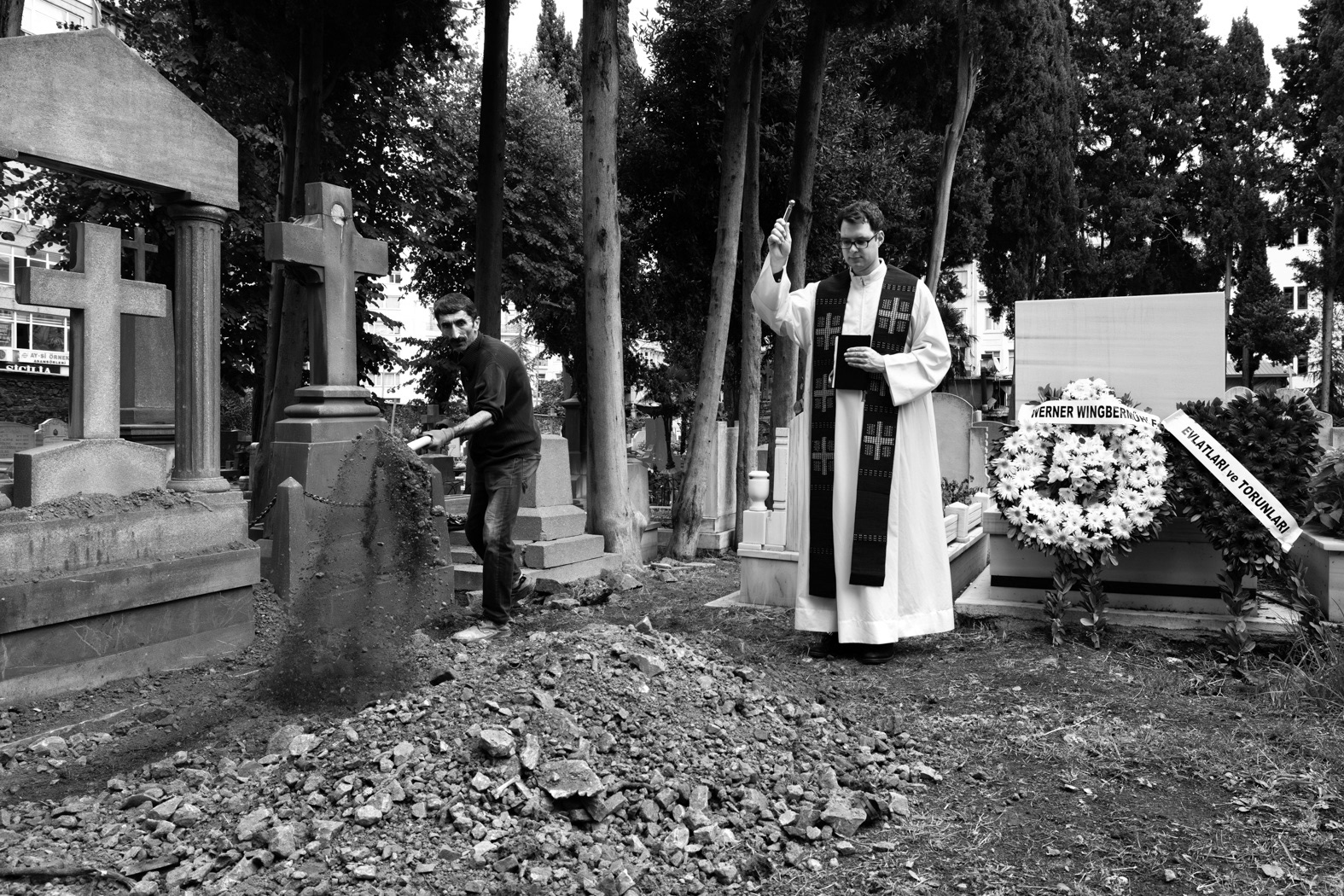
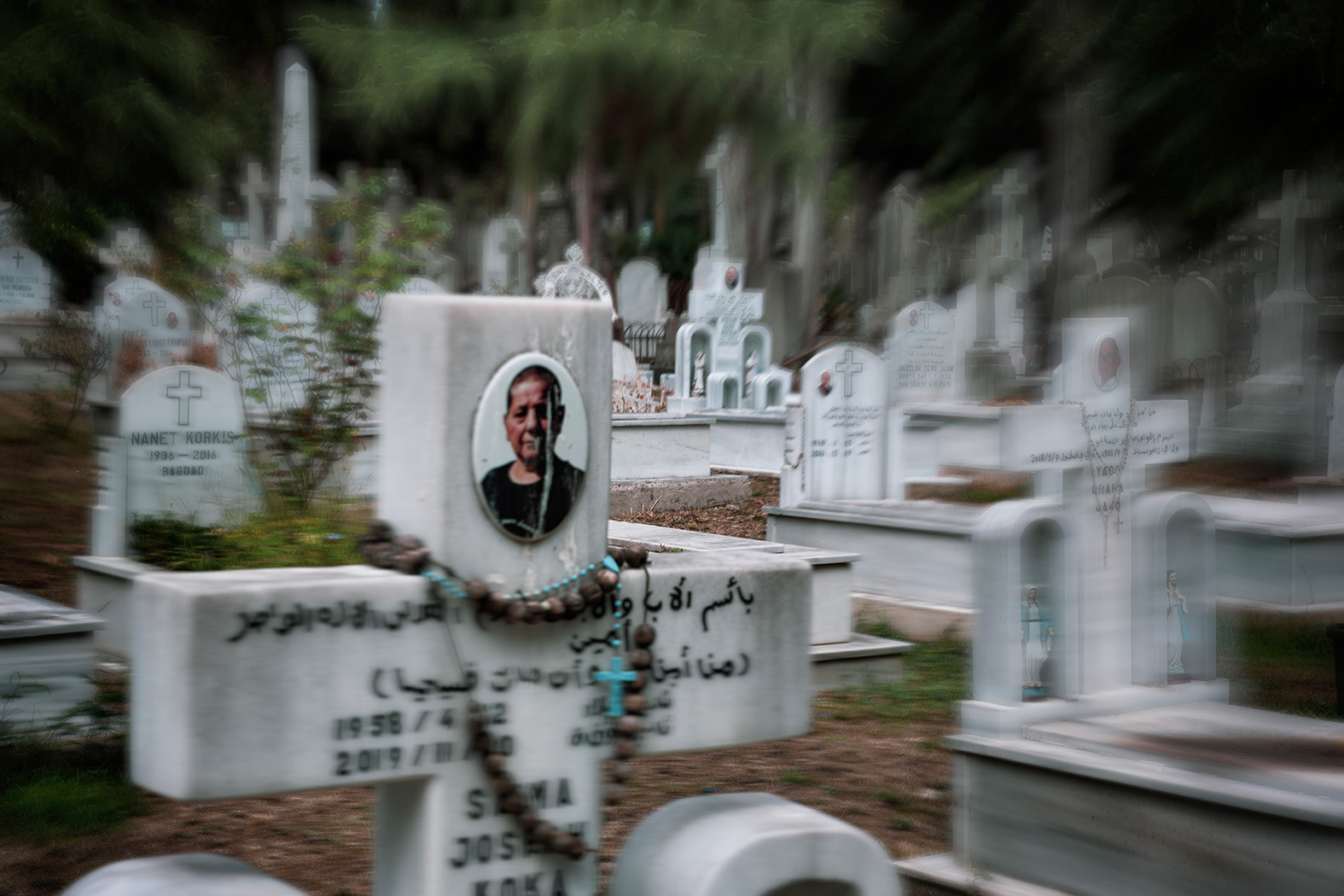
The burials show that the Latin Catholic community—diminishing with each passing day—still preserves its presence nonetheless, and remains standing with resilience.
Each burial is more than a body laid to rest in the earth; it is the voice of memory, identity, and the declaration: We are still here.
CHAPTER 8
EXILIUM EST VULNUS.
“Exile is an open wound.”
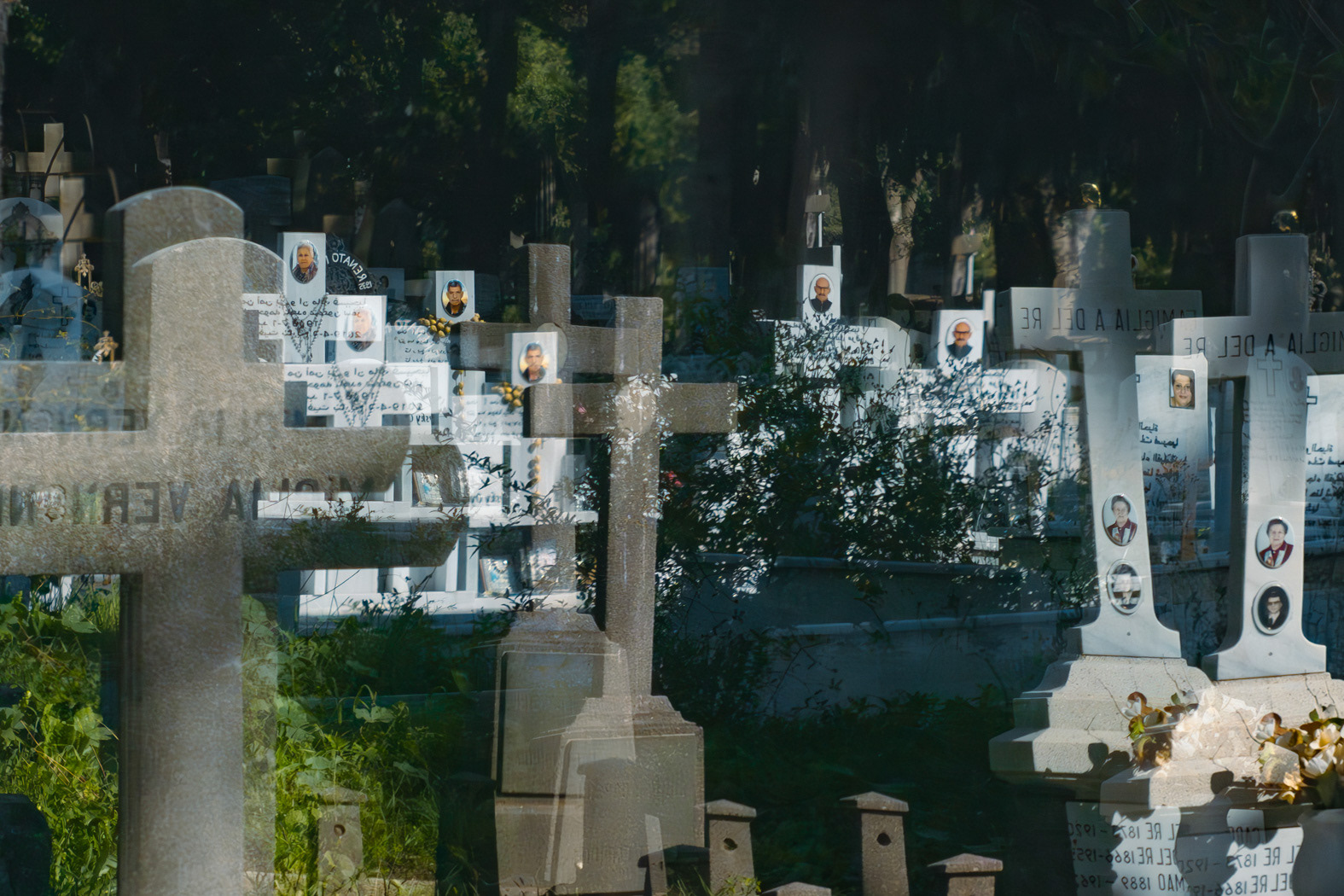
“Who are we, and why are we here?”
This question, carried by forced displacement, is the echo of lost belonging and the search for identity. For those compelled to leave their lands and roots behind, identity is henceforth shaped through this absence. Exile is not merely migration; it is an unhealed wound in memory and in identity.
This question, carried by forced displacement, is the echo of lost belonging and the search for identity. For those compelled to leave their lands and roots behind, identity is henceforth shaped through this absence. Exile is not merely migration; it is an unhealed wound in memory and in identity.
Migration. Exile. Asylum. Belonging. Identity. Death.
CHAPTER 9
PAX VITAE SALUS.
“Peace is the salvation of life.”
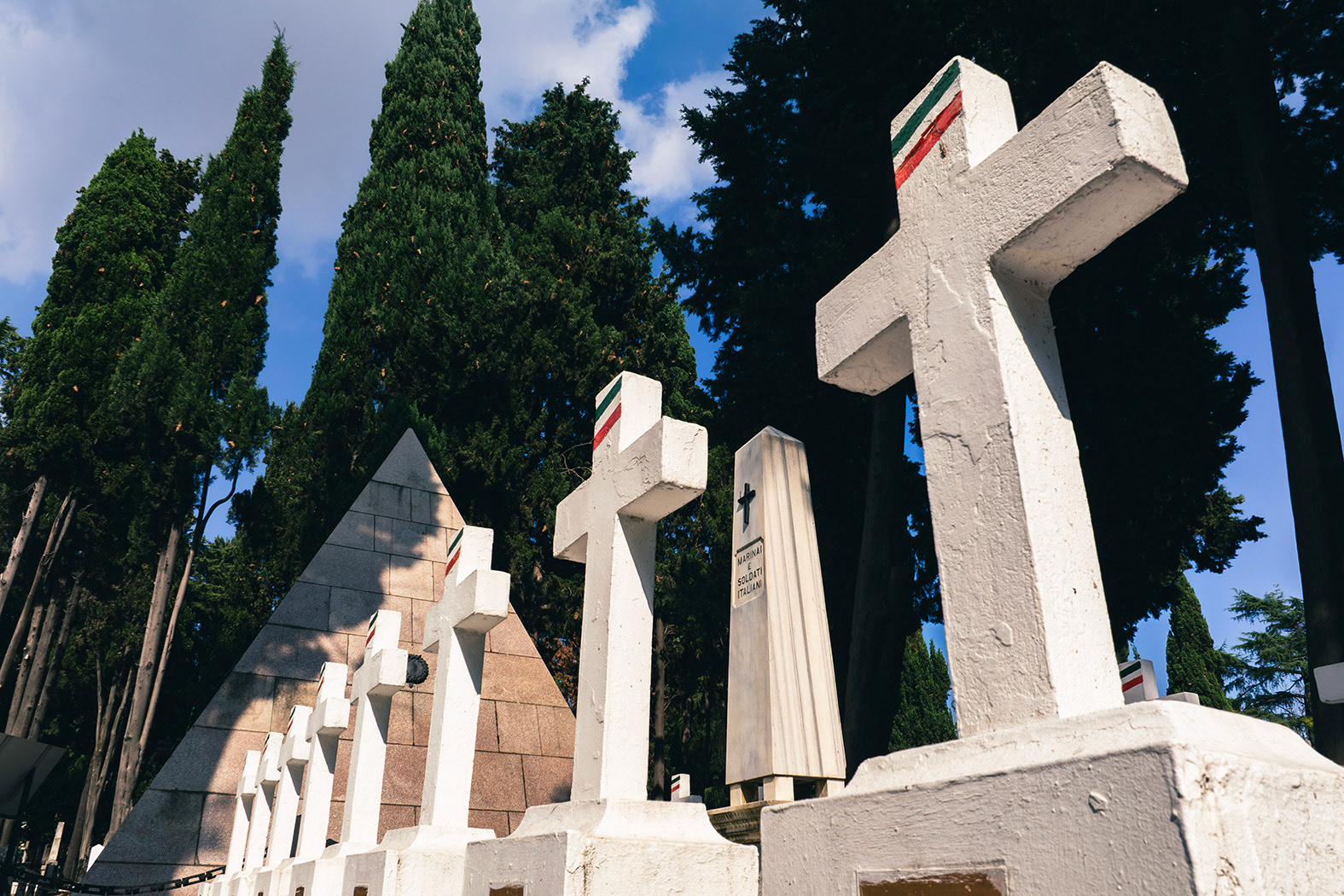
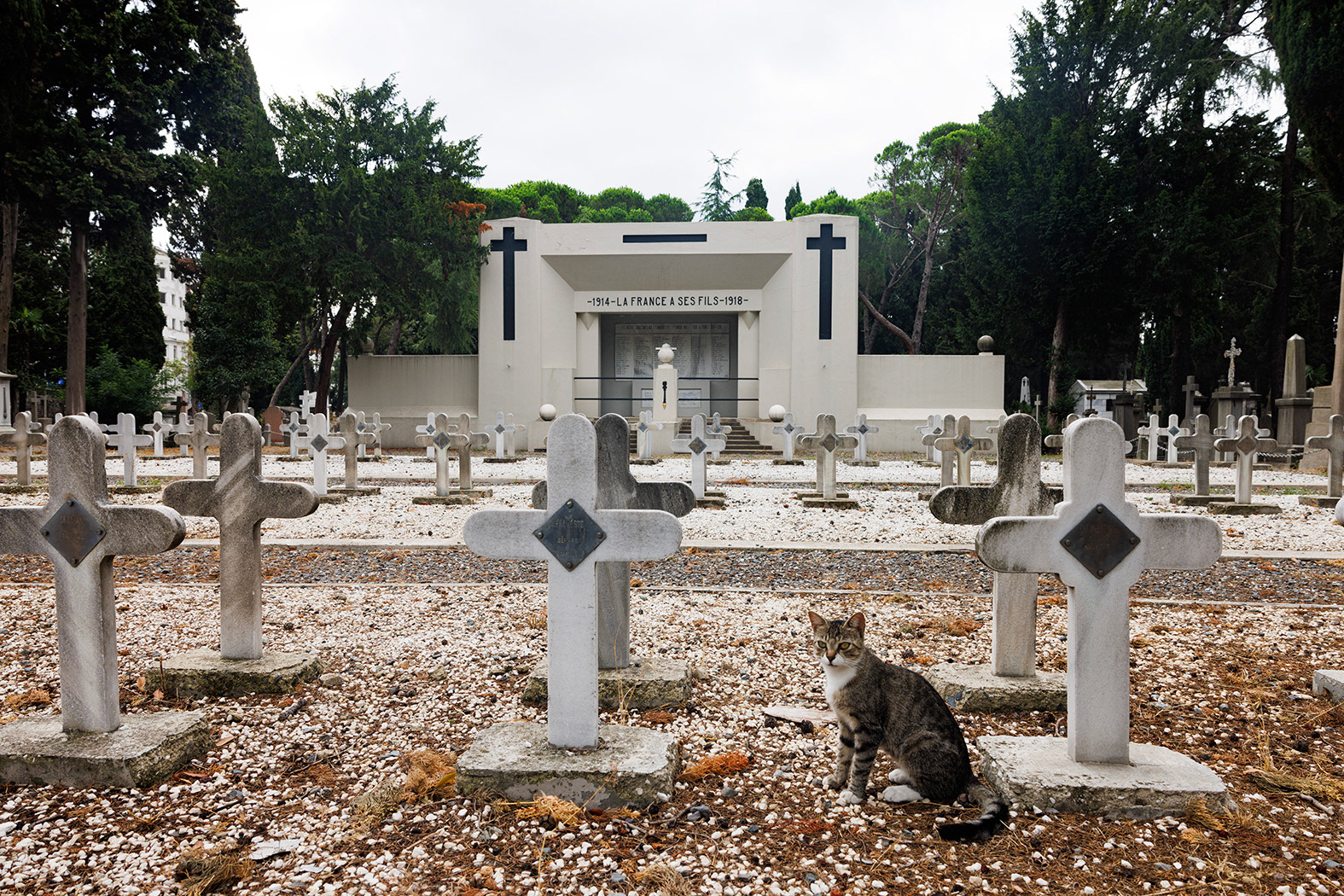
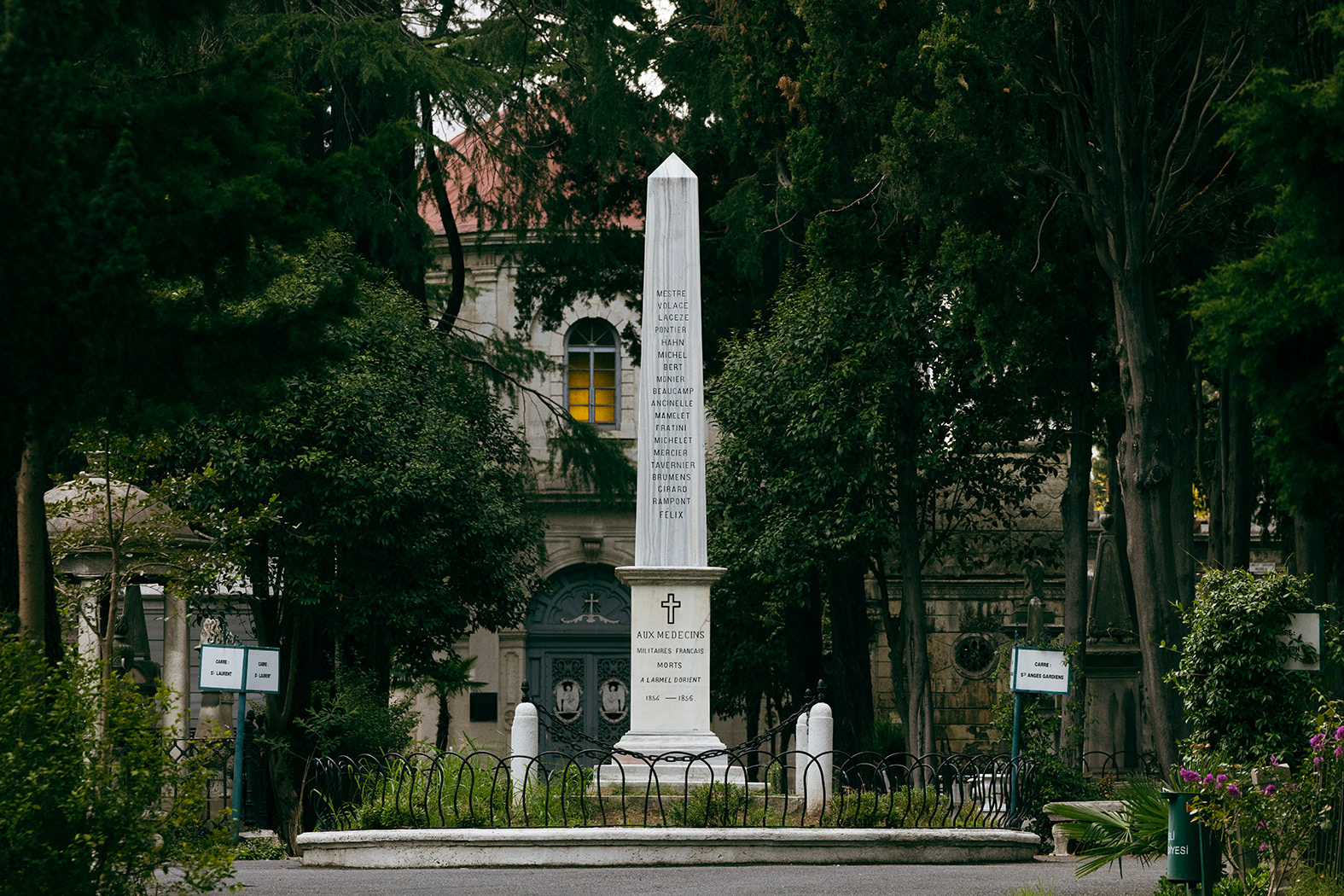
During the Crimean War (1853–1856), Istanbul served as a key base for the allied forces of the Ottoman Empire. Many French and Italian soldiers stayed here before being deployed to the front; however, large numbers lost their lives to epidemic diseases.
Catholic soldiers were buried in the Feriköy Latin Catholic Cemetery, and monuments were erected in their memory. These stones silently remind us of the losses of war—and of the value of peace.
CHAPTER 10
TRADITIO NON MORTUA.
“Tradition is not dead.”
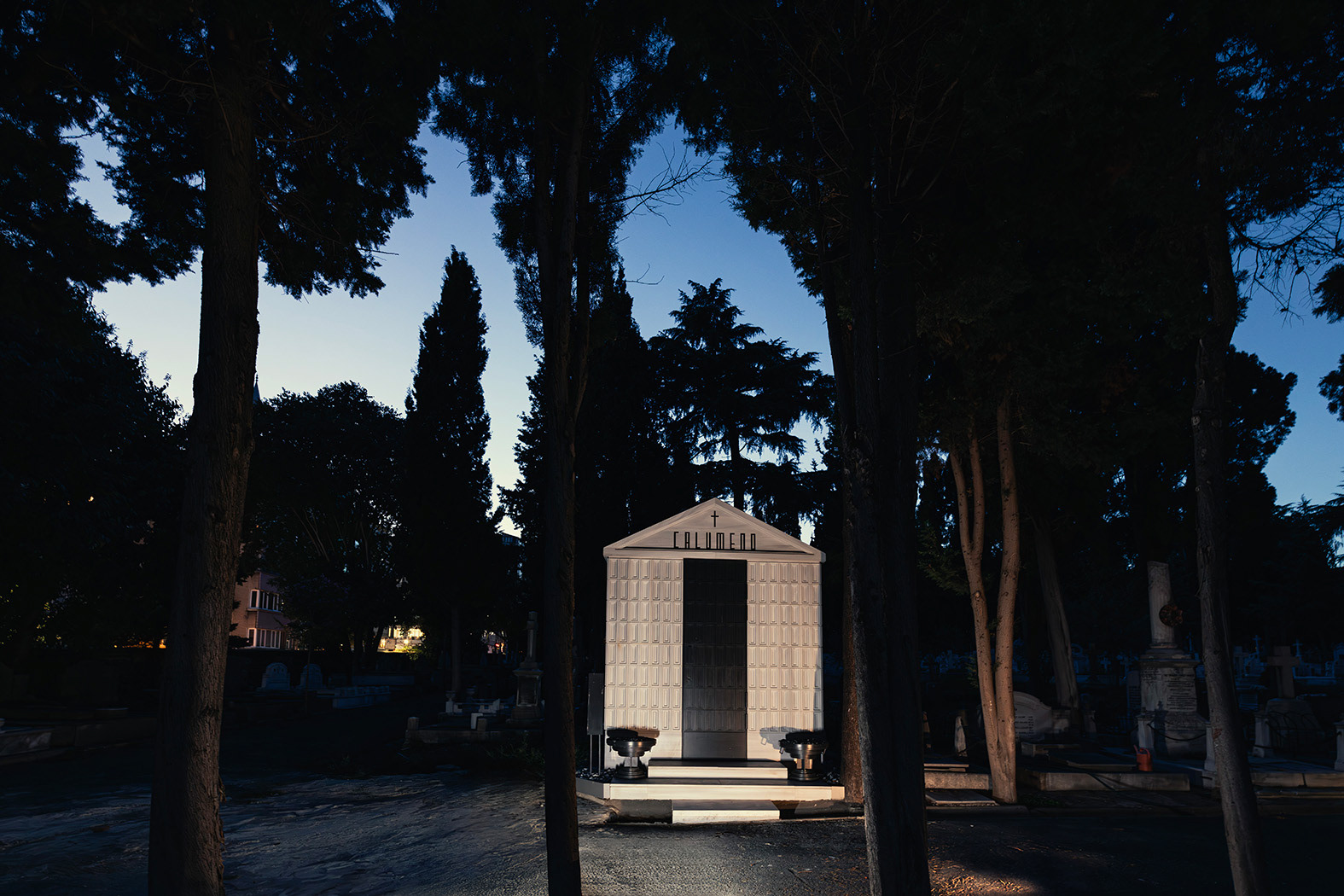
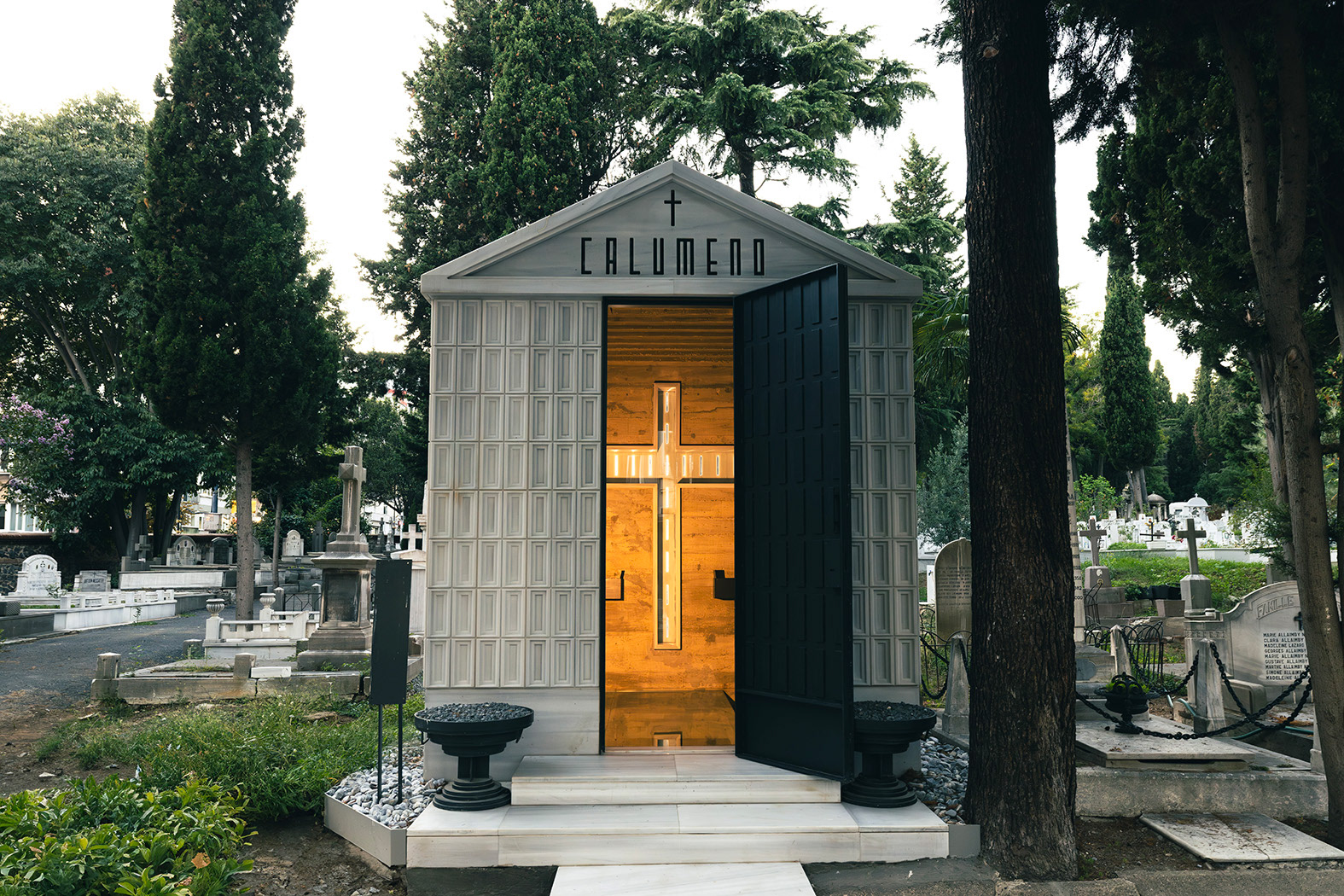
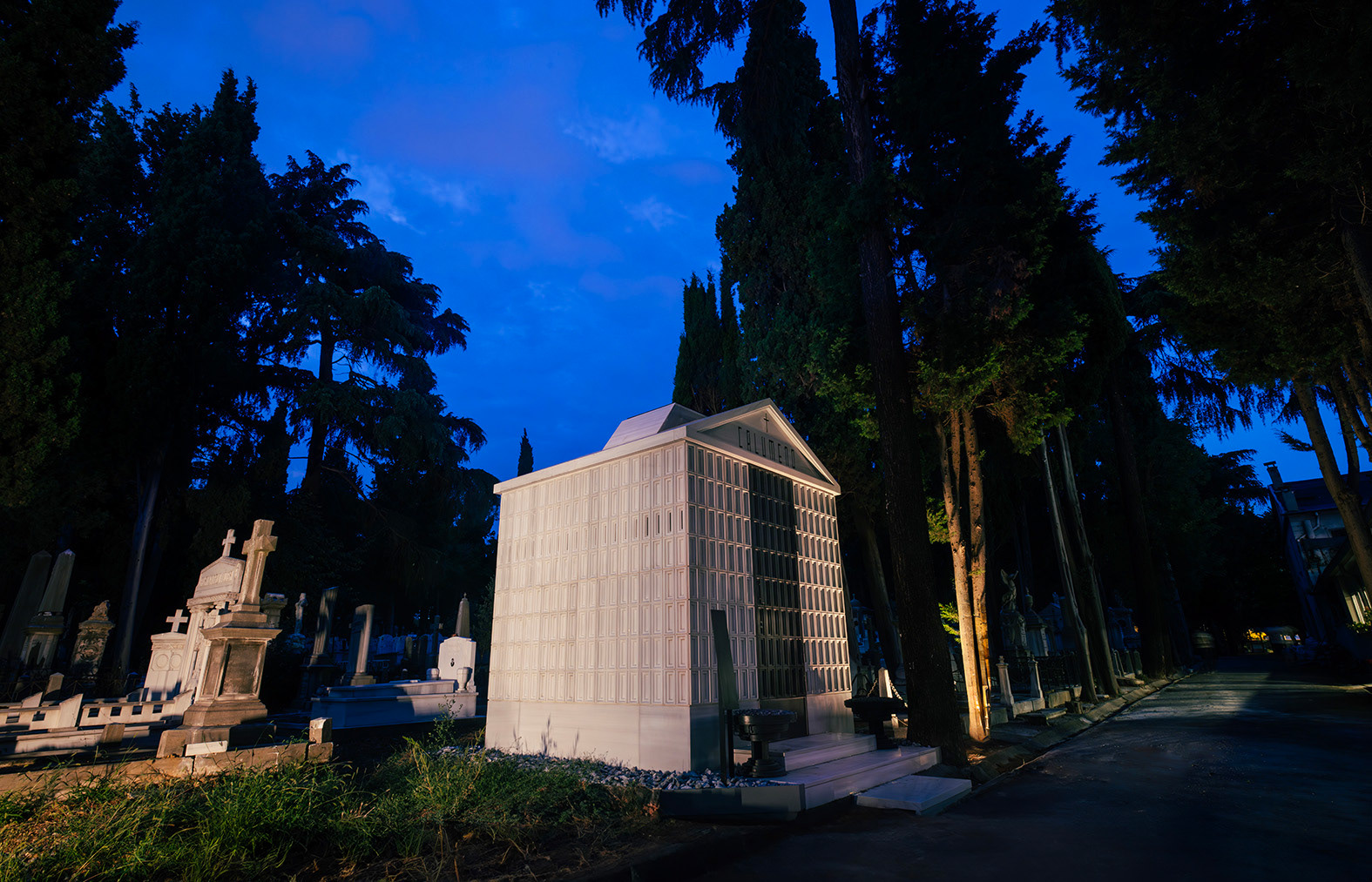
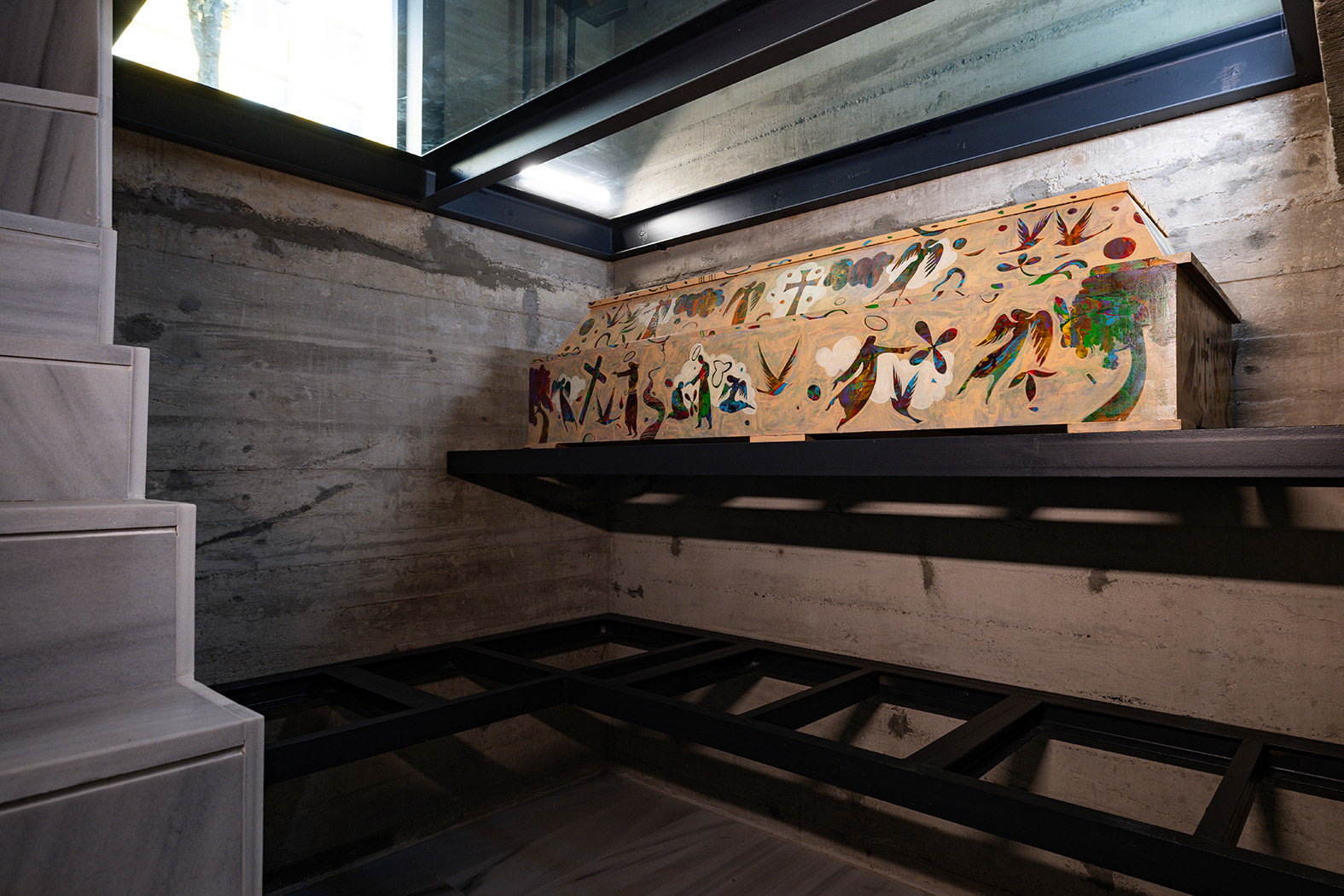
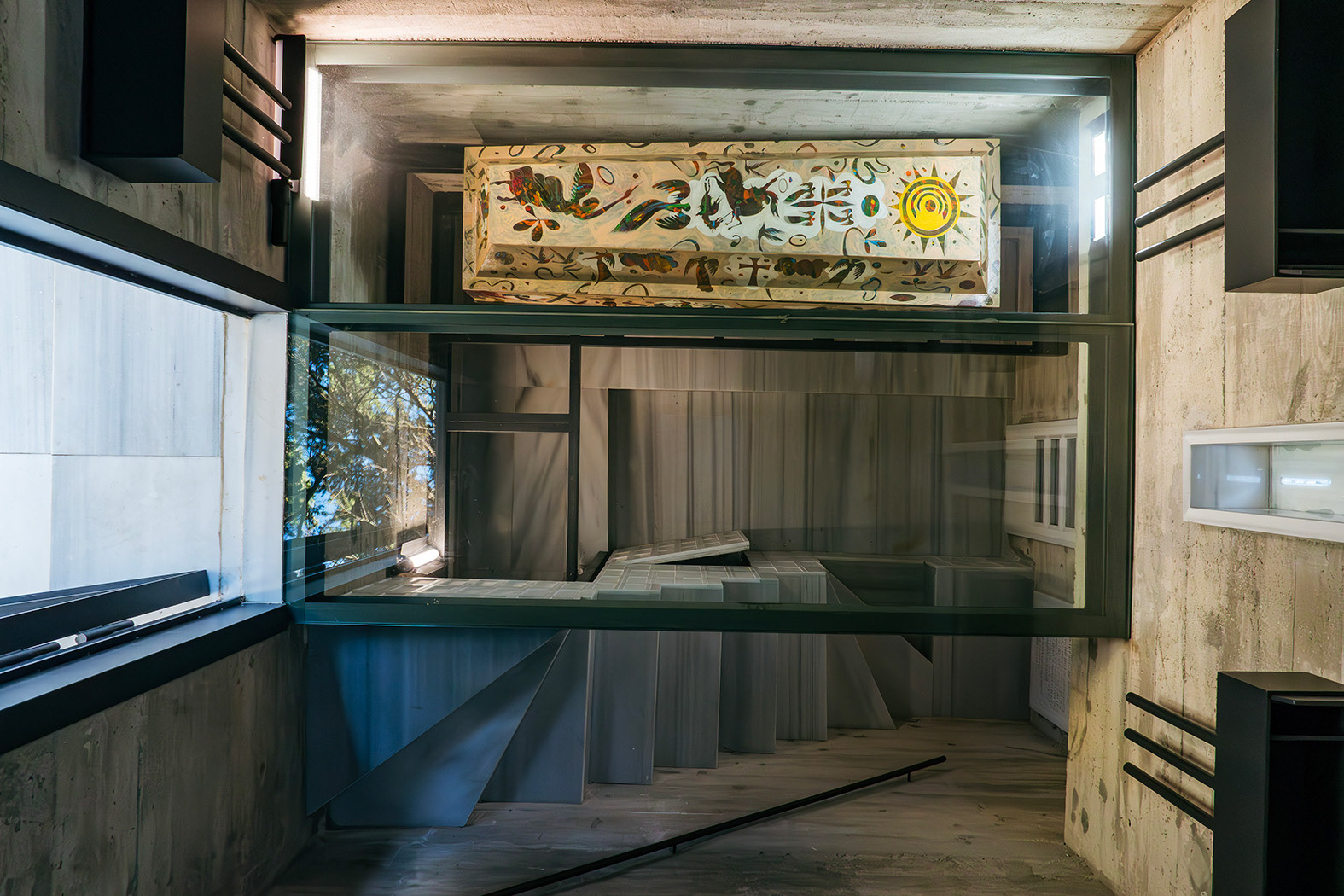
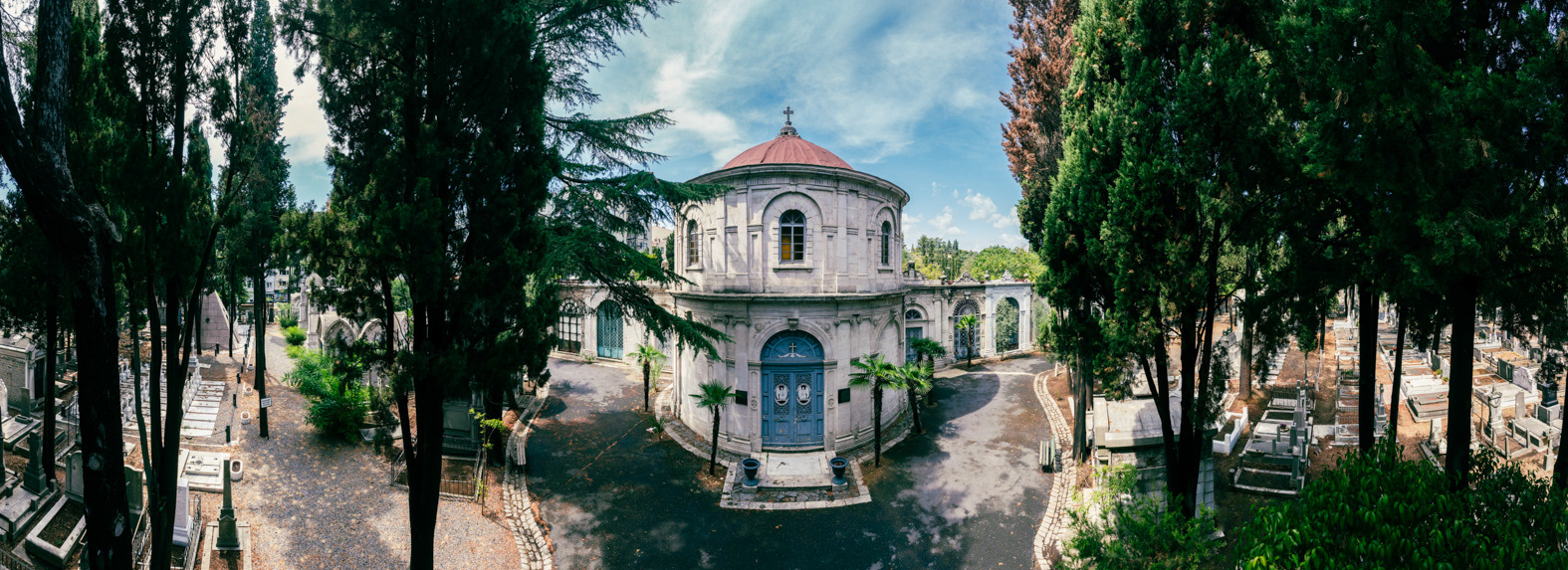
A monumental tomb tradition that had been forgotten for more than a century finds life here once again. This mausoleum commissioned by Orlando Carlo Calumeno for himself and his family is a symbol of reconnecting with the past, renewing memory, and declaring, despite everything: we are still here.
A tradition that seems buried never truly died; it was only waiting to be remembered again.